
I’ve spent twenty years standing on the line at the Saturday morning club shoot, and if there is one thing I’ve learned, it’s that people spend way too much time looking for a “guru” with a massive social media following and a flashy trophy case. They think how to find a coach means finding the person with the most expensive gear or the loudest voice on a video feed. But I’ve watched a thousand shooters walk onto my line with “expert” advice ringing in their ears, only to realize they’ve just learned how to mimic a movement instead of understanding the mechanics behind it. A big name doesn’t mean a damn thing if they can’t tell you why your grip is causing your trigger finger to jerk.
I’m not here to sell you on a lifestyle or a brand; I’m here to talk about the grit of the fundamentals. In this post, I’m going to show you how to vet an instructor based on their ability to spot your bad habits before they become permanent fixtures in your muscle memory. We’re going to skip the hype and focus on finding someone who values discipline and procedure as much as you do.
Evaluating Coach Credentials Beyond the Trophy Case
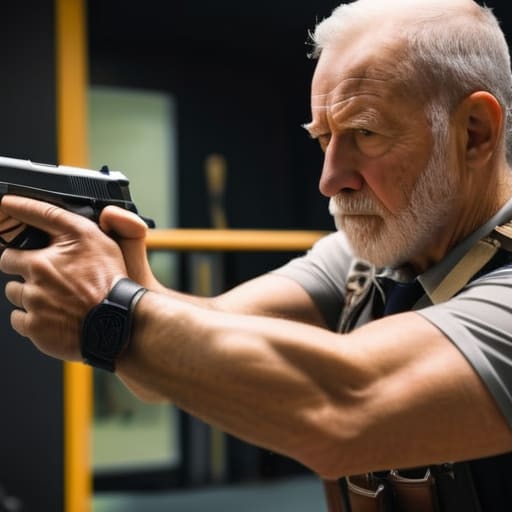
When you’re looking at a potential instructor, don’t get distracted by the wall of polished plastic trophies or the fancy medals hanging in their shop. I’ve seen plenty of guys who can shoot a tight group but couldn’t teach a child how to properly clear a malfunction without getting frustrated. When you’re evaluating coach credentials, look past the hardware. Ask them how they handle a student who is struggling with a fundamental breakdown. A real pro doesn’t just show you what they can do; they demonstrate how they can help you do it.
You also need to dig into their actual coaching styles and methodologies. There is a big difference between a guy who just yells “squeeze the trigger” and someone who understands the mechanics of why your grip is failing. I always tell people to ask about their background in safety and their approach to different learning speeds. You aren’t looking for a drill sergeant; you’re looking for someone who understands that discipline is built through repetition, not through intimidation. If they can’t explain the “why” behind a correction, they aren’t a coach—they’re just a shooter with a stopwatch.
Professional Coaching Certification Versus Real World Grit
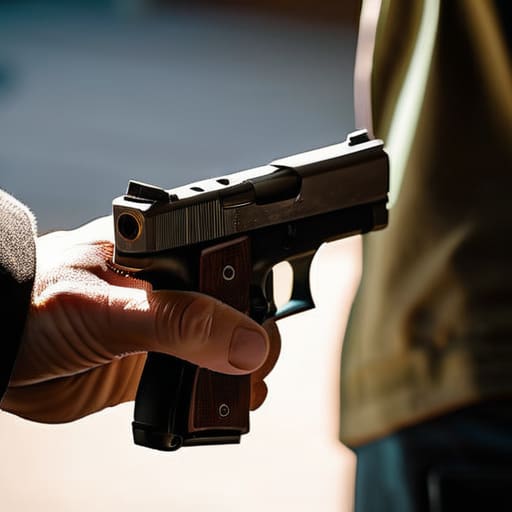
Now, don’t get me wrong; a professional coaching certification has its place. It means the person has sat through the seminars and passed the written tests. That’s fine for knowing the rules of the range, but a piece of paper doesn’t tell you if a person can actually spot a flinch before it becomes a permanent part of your muscle memory. I’ve seen guys with every acronym behind their name struggle to explain why a shooter’s grip is failing under pressure.
What you’re really looking for is someone who has spent enough time on the line to see the patterns. There is a massive difference between finding a mentor vs a coach who just follows a manual. A mentor has seen the mistakes—the ones that lead to malfunctions or safety lapses—and they know how to correct them without making you feel like a kid in a classroom. You want the person who understands how your specific gear interacts with your specific body. Look for the instructor who cares more about your fundamentals than their own highlight reel.
The Real Tests Before You Pay for a Lesson
- Watch how they handle their own gear. If a coach treats their equipment like a prop rather than a tool—leaving a loose magazine in a pouch or neglecting a dirty action—they aren’t going to care about the small details in your grip or your trigger press.
- Ask them about their failures, not just their wins. A guy who tells me he’s never had a student struggle is either lying or hasn’t spent enough time on the line. You want the person who can explain exactly why a certain habit is hard to break and how they plan to help you fight it.
- Look for the “why” behind the “how.” Anyone can tell you to move your finger off the trigger. A real coach will explain the mechanical necessity of that movement and how it affects your sight picture. If they can’t explain the physics or the habit, they’re just reciting a manual.
- Check their temperament under pressure. I’ve seen plenty of “experts” lose their cool when a student makes a mistake or a range condition changes. You don’t need a drill sergeant; you need someone who stays as calm as a steady sight picture when things go sideways.
- See if they value the unglamorous stuff. If their whole pitch is about “tactical speed” and “combat effectiveness” before they’ve even talked to you about your cleaning kit or your storage habits, keep walking. A good coach builds the foundation of discipline first; the shooting comes later.
The Three Things That Actually Matter When You’re Looking for a Mentor
Don’t get blinded by a shelf full of medals; look for the person who spends more time talking about your grip and your breathing than they do about their own high scores.
Prioritize a coach who values the “why” behind the movement, because if they can’t explain the mechanics of a mistake, they aren’t teaching you—they’re just showing off.
Find someone who treats the unglamorous stuff, like your gear maintenance and your safety habits, as being just as vital to your progress as the shot itself.
The Long Game
At the end of the day, finding the right coach isn’t about finding the person with the most colorful certificates or the highest-profile sponsorships. It’s about finding someone who cares more about your mechanical discipline than your target group. You need to look past the trophy case and find the instructor who is willing to sit in the dirt with you, correcting the same grip or trigger press for an hour until it becomes muscle memory. Remember, a coach who only tells you what you want to hear is just a spectator with a clipboard; you want the person who is going to obsess over your fundamentals until they are second nature.
Choosing a mentor is a serious decision, but don’t let the search paralyze you. The goal isn’t to find perfection, but to find a guide who understands that shooting is a lifetime of small, repeatable habits. Whether they have a formal certification or just twenty years of grit on a dusty range, make sure they value the unseen work—the cleaning, the prep, and the safety checks—as much as the shot itself. Get the foundation right, and the shooting will eventually take care of itself. Now, stop reading and go find someone who will make you better.
Frequently Asked Questions
How do I know if a coach is actually looking at my grip and stance, or if they're just watching my groups on the paper?
If they’re only talking about where your holes are on the paper, they aren’t coaching; they’re just scorekeeping. A real instructor is looking at your elbows, your weight distribution, and how your hands are actually interacting with the frame. If you aren’t feeling them nudge your shoulder or ask why your stance looks stiff, they’re missing the point. You don’t fix a group by moving the target; you fix it by fixing the mechanics.
Is it worth paying a premium for a certified instructor if I can find a seasoned shooter at my local club who knows the fundamentals?
Look, I’ve seen both. A certified instructor is great for learning the strict, legal mechanics of a new discipline. They won’t miss a step on the paperwork. But a seasoned shooter at your club? They’ve seen the mistakes happen in real-time for twenty years. If you want a certificate, pay the premium. If you want someone to notice your grip is tightening every time you squeeze the trigger, find the guy who’s been on the line since before you were born.
What are the red flags to look for when I'm sitting down for that first introductory session?
Watch how they handle their own gear before you even pick up yours. If they set a loaded firearm down on a bench without clearing it, or if they treat a holster like a toy, walk away. You’re also looking for the “ego trap.” If they spend the whole session talking about their own groupings instead of asking about your grip or your trigger reset, they aren’t coaching; they’re just performing.




