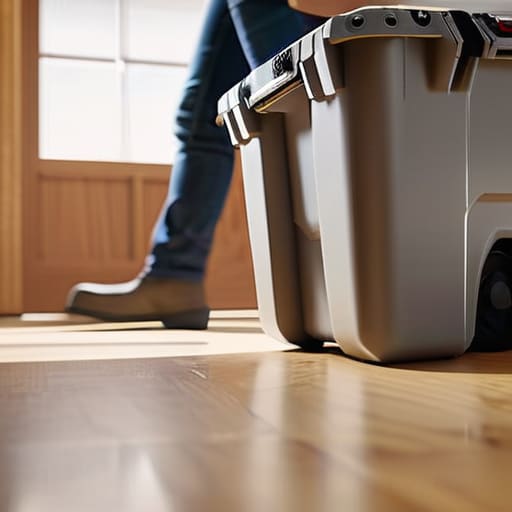
I’ve seen plenty of folks spend a fortune on high-tech, biometric transport cases only to realize they’ve just bought a very expensive way to lose track of their gear in a sea of cardboard boxes. Most of the advice you’ll find online about how to secure a firearm during a house move is either way too complicated or focuses on the wrong things, like fancy locks that fail when you’re stressed. Moving day is a whirlwind of heavy lifting and distracted minds; it is the exact moment when your standard safety habits are most likely to slip. I remember a buddy of mine who thought a locked case in the back of a moving truck was enough, only to find his entire collection scattered across a highway because he hadn’t accounted for the chaos of a loading ramp.
I’m not here to sell you on some gadget or a complicated checklist that takes an hour to complete. I want to talk about the unseen habits—the boring, repetitive checks that ensure your tools stay where they belong and, more importantly, stay safe. I’m going to walk you through the practical, no-nonsense methods for securing your firearms during a transition, focusing on the kind of organization that survives a chaotic moving day.
Unloading Firearms Before Packing the First Habit of Professionals
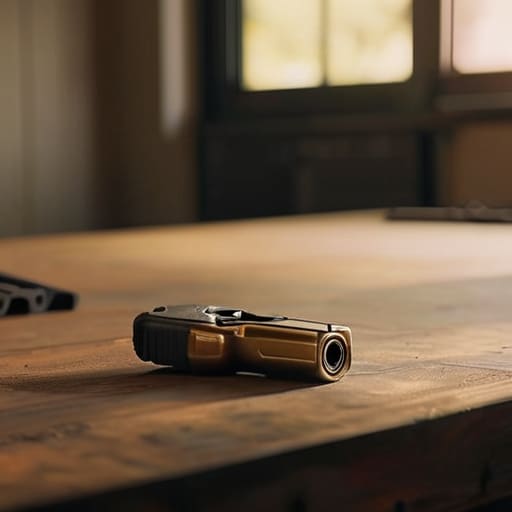
Before you even think about bubble wrap or moving boxes, you need to address the most basic step: unloading firearms before packing. I’ve seen people try to “secure” a loaded handgun in a locked case, thinking the lock is their safety net. It isn’t. A lock keeps a thief out, but it doesn’t stop a mechanical failure or a bumped trigger from turning a moving day mishap into a tragedy. I want you to clear every chamber, remove every magazine, and physically verify that the action is open. I don’t care if you’ve done it ten times already; do it an eleventh time just to be sure.
Once you’ve cleared the weapons, take a moment to create a firearm inventory checklist. Write down exactly what is leaving your sightline, including serial numbers and any specialized optics. This isn’t just about organization; it’s about accountability. When you’re juggling dozens of boxes and a chaotic schedule, it is easy to lose track of where a specific piece ended up. Treat your gear with the same respect you would on a live range, and you won’t find yourself scrambling to figure out where your equipment went halfway through the move.
A Firearm Inventory Checklist for the Unseen Details
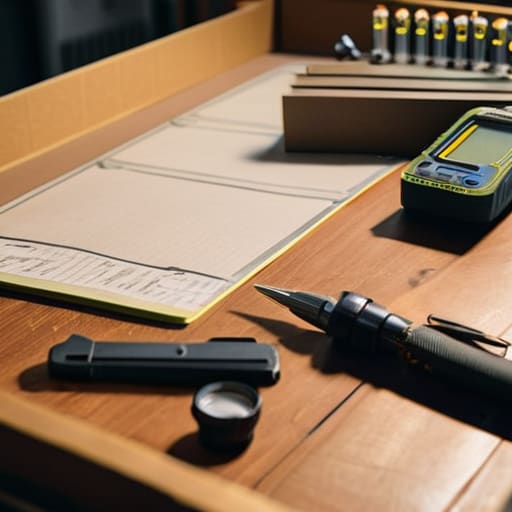
Once you’ve finished unloading everything, you need to know exactly what is in those boxes before the movers show up. I’ve seen too many people realize they’ve lost a piece of kit only after they’re three states away and halfway through a new job. A proper firearm inventory checklist isn’t about being obsessive; it’s about having a paper trail. Write down the make, model, and serial number of every piece, along with any optics or specialized accessories. If you’re moving a heavy safe, make a separate note of its weight and dimensions, because that’s a different kind of beast entirely.
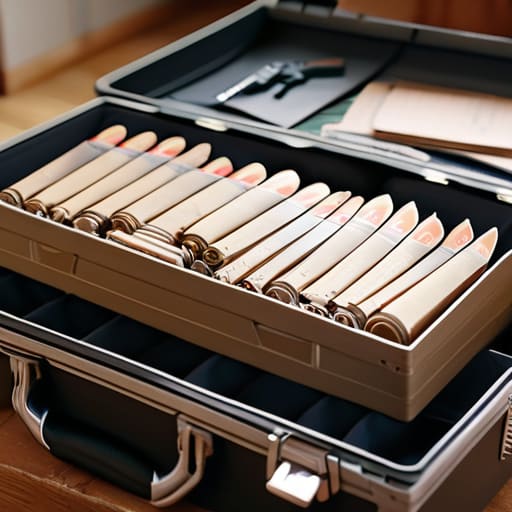
Don’t forget the small stuff that adds up. I always tell my students to treat their ammunition with the same level of documentation. You should be protecting ammunition during transit by keeping it in its original, sealed packaging and logging the count. If you have loose rounds or specialized reloading components, get them accounted for now. When everything is written down, you aren’t relying on your memory during the chaos of moving day—you’re relying on a system.
Five Ways to Keep Your Gear from Becoming a Liability
- Don’t rely on a single cardboard box. I’ve seen moving crews toss heavy crates around like they’re filled with pillows. Use a hard-sided, lockable case for your primary pieces. If it doesn’t have a dedicated lock point, it’s just a container, not a security measure.
- Keep your ammunition in a separate container entirely. You should never have your brass and your steel in the same box during a move. It’s a bad habit that makes a chaotic day even more dangerous if a box breaks open in the back of a truck.
- Document your locks and keys before the truck is loaded. If you’re using combination locks or keyed cases, make sure those keys or codes are in your personal possession—not tucked into a side pocket of a case that’s sitting in a sea of bubble wrap.
- Label your boxes for your eyes only. You don’t need a giant sticker that says “Firearms” or “Gun Safe” sitting on the side of a box for every stranger in the moving company to see. Use a code or a discreet marking that only you and your family understand.
- Double-check the “empty” status one last time before the lid goes on. I’ve watched people get so caught up in the rush of packing that they skip the final visual check. Clear the chamber, clear the mag, and verify it again once the box is taped shut.
The Three Habits for a Safe Move
Never trust a box just because it’s taped shut; every single firearm must be cleared, unloaded, and visually inspected before it ever touches a moving container.
Treat your firearms as a separate category of cargo, not just another box of kitchenware or books, by using dedicated, lockable cases that won’t be easily pried open during transit.
Keep your most essential security gear—your locks, keys, and a printed inventory—in your personal possession rather than in the moving truck, so you aren’t hunting for them in a pile of boxes at your new house.
Bringing the Line Home
At the end of the day, moving a house full of gear isn’t about the heavy lifting or the logistics of the truck; it’s about the discipline of the transition. You’ve cleared the chambers, you’ve logged every serial number, and you’ve ensured that nothing is sitting loose in a cardboard box waiting to be bumped. By treating your firearms with the same procedural rigor you’d use on a live range, you’ve closed the gaps where most mistakes happen. Remember, a move is just a series of controlled transitions. If you keep your inventory tight and your storage secure throughout the chaos, you won’t be looking back with regret once the dust settles in the new place.
I’ve seen plenty of folks treat moving day like an excuse to let their standards slip, thinking that “it’s just temporary” justifies a little sloppiness. But in this sport, we both know there is no such thing as a temporary lapse in safety. The way you handle your equipment during a move tells you everything you need to know about how you’ll handle it when you’re back on the range. Stick to the habits, follow the process, and respect the tool even when the environment is working against you. Do the unglamorous work now, and you’ll have the peace of mind to actually enjoy your new home once you’re settled.
Frequently Asked Questions
If I’m moving into a rental or a new place where I don't have a permanent safe yet, what’s the best way to keep my gear secure during that transition week?
If you’re in limbo without a permanent safe, don’t get complacent just because you’re in a temporary spot. I’ve seen people get sloppy when things are in boxes. Use a heavy-duty, lockable hard case and keep it in a closet or a corner that isn’t visible from a window. If you can, tether that case to a fixed point or a heavy piece of furniture. It’s about adding layers of friction to any potential theft.
Should I be packing my firearms in their hard cases, or is it better to use a dedicated lockbox that can be moved as a single unit?
Neither is a complete answer on its own, but if you’re asking me, I’d say use both. Hard cases are great for protecting the finish and the optics from being banged around in a moving truck, but they’re a nightmare to track in a sea of cardboard boxes. I prefer putting the firearms in their cases, then securing those cases inside a single, heavy-duty lockbox or a dedicated, labeled bin. It keeps the inventory tight and the security high.
How do I handle the paperwork and legal side of moving my collection across state lines without running into trouble at a checkpoint?
Look, I’m a machinist, not a lawyer, but I know how a bad paper trail can ruin a good thing. Don’t wing it. Before you load the truck, verify the specific laws for both your starting point and your destination. Some states have strict rules on magazine capacities or specific types of hardware. Carry your proof of ownership and keep your permits organized in a dedicated folder. If you’re unsure, call a local dealer first. Don’t let a paperwork oversight turn a move into a legal headache.




