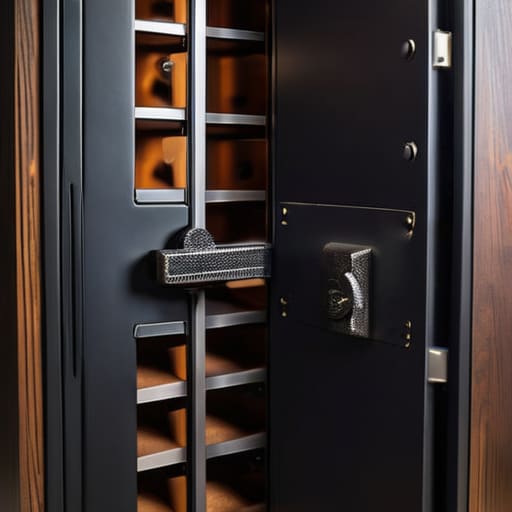
I’ve spent twenty years watching folks walk onto the range, and I’ve spent just as much time watching them walk back to their trucks with gear they shouldn’t have left unsecured. Most people think figuring out how to choose a gun safe is about finding the biggest, most expensive steel box that looks good in a catalog. They get blinded by fancy digital keypads and biometric scanners that’ll fail you the moment a battery dies or your thumb is a little sweaty. The truth is, a safe isn’t a trophy for your den; it’s a tool, and if you buy one based on marketing hype rather than actual utility, you’re just buying an expensive way to let your collection rust or get stolen.
I’m not here to sell you on a brand or walk you through a sales pitch. I want to talk about the stuff the brochures leave out: humidity control, floor anchoring, and how to actually organize your gear so you aren’t fumbling in the dark. I’m going to give you the straight talk on how to choose a gun safe that actually serves its purpose. We’re going to focus on the unglamorous, practical side of storage—the kind of stuff that ensures your rifles stay ready and your home stays secure.
Beyond the Lock Evaluating Security Lock Types and Theft Prevention Feature
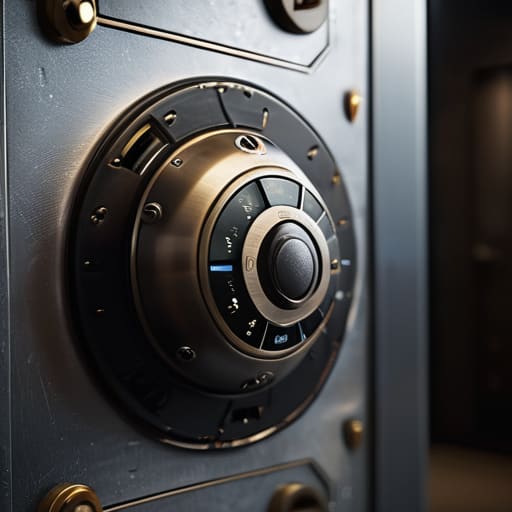
Most folks walk into a showroom, see a shiny handle, and think they’re set. But a lock is only as good as the door it’s holding shut. When you’re looking at different security lock types, you have to decide if you want the convenience of a digital keypad or the old-school reliability of a mechanical dial. I’ve seen too many electronic locks fail because someone forgot to swap the batteries or the circuit board got finicky in the humidity. If you go digital, make sure it’s a brand that actually supports its hardware long-term.
Beyond the lock itself, you need to look at the actual theft prevention features built into the chassis. A thief with a pry bar can beat a cheap door like a sheet of tin. You want thick gauge steel and a heavy-duty bolt work that doesn’t just sit on the surface. Also, don’t ignore the weight. I always tell people to check the gun safe weight and floor loading before they get it home; a safe that’s easy to carry is a safe that’s easy to steal. If it doesn’t require a serious effort to move, it isn’t doing its job.
The Invisible Battle Fire Protection Ratings and Fireproof Gun Storage
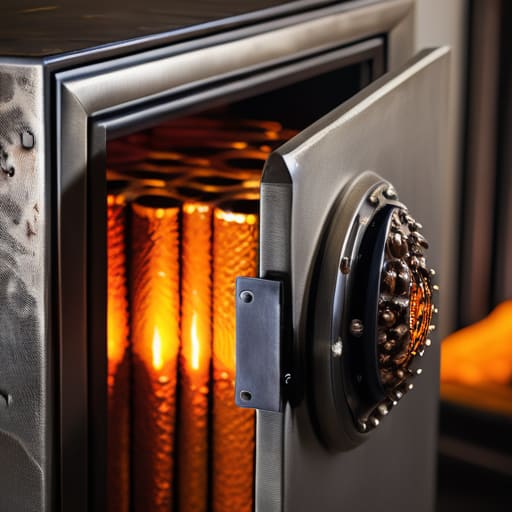
Most folks walk into a store and look at the thickness of the steel, thinking that’s the only thing standing between their gear and a disaster. But steel doesn’t stop heat; it just holds it in. If you’re looking at fireproof gun storage, you have to look past the marketing fluff and find the actual UL rating. A safe might be heavy enough to stop a thief, but if it lacks a proper fire rating, it’ll turn your heirloom rifles into expensive, melted lumps of scrap metal in less than thirty minutes.
When you’re reading those spec sheets, pay attention to how long the safe is rated to withstand high temperatures. It’s not just about the duration, though; it’s about the internal temperature stability. You want a safe designed to keep the inside cool enough that the wood on your stocks doesn’t char and your optics don’t delaminate. I’ve seen too many people focus entirely on theft prevention features while completely ignoring the reality that a house fire doesn’t care how thick your door is. Get the fire protection ratings right, or you’re just guarding a furnace.
The Practical Checklist: Things You'll Actually Notice After a Month
- Measure twice, bolt down once. It’s easy to forget that a safe is just a heavy target for a thief if it isn’t anchored to the floor, and it’s even easier to realize too late that your new steel box won’t fit through the bedroom door.
- Think about your humidity, not just your locks. If you’re keeping a collection in a basement or a damp garage, a safe without a decent dehumidifier or moisture control is just a high-security way to turn your rifling into a pile of rust.
- Don’t buy for the guns you have; buy for the ones you’re going to get. I’ve seen too many guys buy a safe that fits their current three handguns perfectly, only to be staring at a crowded, disorganized mess six months later when they add a long gun.
- Test the “grab and go” factor. If you’re using an electronic keypad, make sure it’s something you can operate in the dark or when your hands are cold; if you can’t get into your own safe in ten seconds, it’s a hindrance, not a tool.
- Check the interior layout before you commit. You want shelves and organizers that actually make sense for your gear, not just a big, hollow cavern where everything slides around and bangs against the walls every time you move the safe.
The Bottom Line on Your Gear
Don’t get blinded by a fancy digital keypad; a lock is only as good as the steel it’s attached to and the habits you keep when you close it.
Fire protection isn’t a suggestion—check the actual rating and remember that a safe that keeps paper dry might still let your steel rust out if you aren’t managing the humidity inside.
Buy for the collection you actually have, not the one you’re planning to buy in five years, because a crowded safe is a safe where things get lost or handled carelessly.
The Final Check
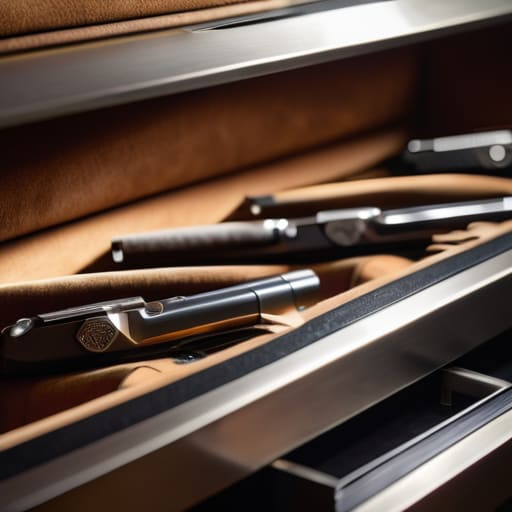
At the end of the day, choosing a safe isn’t about picking the most expensive piece of steel in the showroom; it’s about matching the gear to the reality of your life. You’ve looked at the locks, you’ve weighed the fire ratings, and you’ve considered how much room you actually need for your collection. If you don’t balance the security of the mechanism with the practicalities of fire protection and accessibility, you’re just buying a very heavy paperweight. Don’t get distracted by the flashy sales pitches. Stick to the fundamentals: make sure it’s heavy enough to stay put, rated for the heat you might actually face, and uses a lock you can operate without a manual in the dark.
I’ve spent twenty years watching people treat safety as an afterthought, only to realize too late that the small details are what actually matter. A gun safe is more than just a box for your tools; it is the final, silent step in your safety routine. When you close that door and turn that dial, you aren’t just locking up equipment—you are practicing the discipline that keeps this sport enjoyable for everyone. Do the work now, get the right setup, and then go out and enjoy the shooting. The gear will be waiting for you, exactly where it belongs.
Frequently Asked Questions
How much do I actually need to worry about humidity and moisture inside the safe if I'm living in a damp climate?
If you’re living in a damp climate, you need to worry about it more than you think. A safe is just a heavy metal box, and metal holds moisture. If you don’t manage it, you aren’t just risking a rusty barrel; you’re risking the internal springs and firing pins seizing up when you need them most. Get a decent dehumidifier or a high-quality desiccant system. Don’t wait until you pull a coat of rust off your favorite rifle to realize you waited too long.
Is it worth paying extra for a biometric lock, or am I just buying a fancy gadget that'll fail when I need it most?
Look, I’ve seen enough people fumble with a keypad in the dark to understand the appeal. But here’s the reality: biometrics are a convenience, not a guarantee. They’re fancy gadgets that can fail if your hands are sweaty, dirty, or if the sensor just decides it doesn’t recognize you that day. If you want speed, fine. But if you’re paying the premium, make sure you have a mechanical backup. Never rely on a fingerprint alone.
At what point does a safe go from being "secure" to being something a thief can just walk away with using a pry bar?
It’s the weight and the mounting, plain and simple. A safe might have a high-end lock, but if it’s sitting on a carpeted floor in a corner, it’s just a heavy suitcase for a thief. If they can get a pry bar under the base or a crowbar in the door seam, they aren’t picking the lock—they’re bypassing it. If you haven’t bolted that thing to the slab or a stud, it isn’t secure.




