
I spent three hours last Tuesday hunched over a 1940s Mauser, trying to work a stubborn patch of pitting out of the receiver, and all I could think about was the guy at the shop who tried to sell me a “miracle” vacuum-sealed storage system for five hundred bucks. People love to throw money at gadgets and fancy sprays when they’re trying to figure out how to prevent rust in a humid climate, but most of that high-tech junk is just expensive window dressing. If you think a specialized canister is going to save your steel when you’re leaving your gear in a damp basement or a hot trunk, you’re barking up the wrong tree.
I’m not here to sell you a subscription service or a proprietary chemical blend. I’m going to tell you the truth about the unglamorous, repetitive habits that actually keep your metal clean, from the way you wipe down a barrel after a range day to how you manage the air in your safe. We’re going to focus on practical, repeatable steps that don’t require a chemistry degree. If you get these basics right, your rifles will stay ready for the long haul, no matter how thick the air gets.
The Truth About Metal Oxidation Prevention

Most folks think rust is something that happens to you, like a sudden rainstorm. It isn’t. It’s a slow, quiet process of preventing metal decay that you either win or lose every single day. In this humidity, the air isn’t just sitting there; it’s actively looking for a way to eat into your steel. I’ve seen guys spend thousands on high-end optics only to find the barrel looking like a topographical map because they skipped the basics.
You can’t just spray a little oil on a rifle and call it a day. Real corrosion protection methods require a bit more discipline than that. It’s about creating a consistent barrier between the metal and the air. Whether you’re using a high-quality protective oil coating or a specialized wax, the goal is the same: leave no bare metal exposed to the moisture. If you aren’t wiping down your tools and firearms after every single session, you aren’t really maintaining them—you’re just watching them degrade.
Smart Moisture Control Solutions for Your Gear
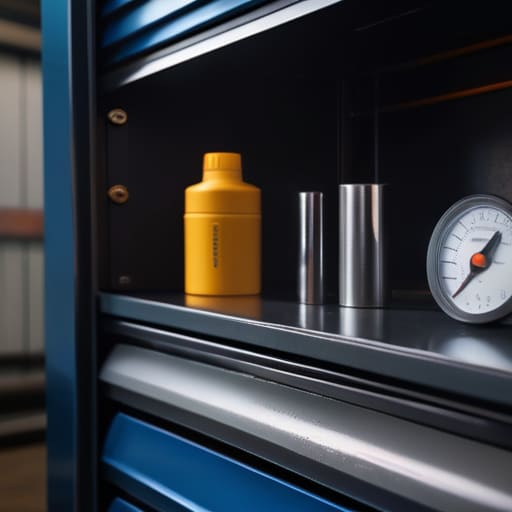
If you’re serious about keeping your steel clean, you can’t just rely on a quick wipe-down and hope for the best. You need to look at your environment. For most of us, that means investing in actual moisture control solutions rather than just tossing a few silica packets into a cardboard box and calling it a day. If you have a dedicated space for your gear, a small dehumidifier for tool storage can be a game changer. It’s a set-it-and-forget-it way to keep the ambient air from turning your safe into a petri dish for oxidation.
When you aren’t using a dedicated climate-controlled space, you have to get tactical with your storage containers. I’ve seen too many folks keep their rifles in soft cases that actually trap moisture against the metal. Instead, look into airtight, gasket-sealed cases. Once you’ve got the container right, you layer in your protective oil coatings to create a physical barrier. It’s about building layers of defense. You control the air, you coat the metal, and you stop the decay before it even has a chance to start.
Five Habits to Keep the Red Rot Away
- Stop skipping the wipe-down. I don’t care if you only spent twenty minutes on the range; if you’re in a humid area, those microscopic salt and sweat particles are already looking for a place to settle. Keep a clean microfibre cloth and a dedicated high-quality oil on you, and make it a habit to wipe down every metal surface before you even think about putting that piece back in the case.
- Treat your storage cases like a sealed environment, not just a padded box. If you’re using a hard case, throw in some rechargeable desiccant canisters. I’ve seen too many folks leave a case shut tight after a humid range day, effectively creating a little greenhouse for rust to grow in. Check those canisters regularly; if they’re saturated, they aren’t doing a lick of good.
- Don’t trust the “factory finish” to do the heavy lifting. Most of the steel we work with is treated, but that coating isn’t a suit of armor against constant moisture. I always recommend a light, consistent layer of a high-quality protectant on any part of the firearm that isn’t a high-friction surface. It’s better to have a little too much oil than to be scraping pitting out of a barrel later.
- Watch your temperature swings. Taking a cold rifle from an air-conditioned house straight out into a humid afternoon is a recipe for disaster. You’ll get condensation forming right on the steel, and that’s where the real trouble starts. Let your gear acclimate to the ambient temperature before you start handling it or opening up the action.
- Clean the grit out of the crevices. Rust loves to hide in the places you don’t look—under the magazine well, around the trigger guard, or deep in the bolt assembly. If you aren’t using a brush to get the grime out of those tight spots during your regular cleaning, you’re just sealing moisture underneath a layer of dirt. Get it all out, oil it, and keep it moving.
The Bottom Line on Keeping Your Steel Clean
Humidity doesn’t care about your schedule; if you aren’t wiping down your barrels and action after every single trip, you’re just leaving the door open for rust to move in.
Don’t rely on a single desiccant pack to do the heavy lifting—real protection comes from controlling the environment in your safe and keeping your gear dry and well-oiled.
Maintenance isn’t a chore you do when you have time; it’s a habit you do so you don’t end up with a pile of pitted, useless metal when you actually need to go to the range.
Making the Routine Stick
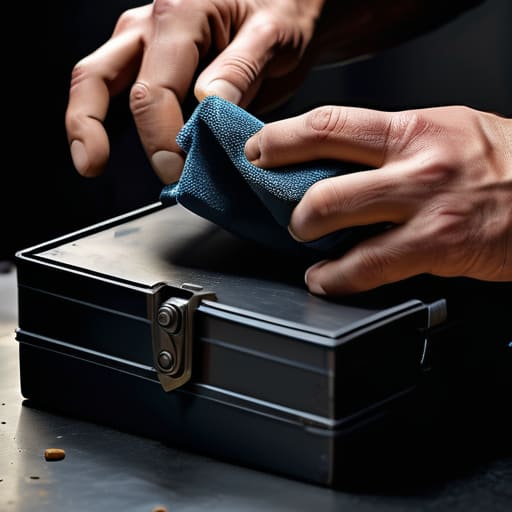
At the end of the day, preventing rust in this humidity isn’t about finding some magic spray or a high-tech cabinet that does the work for you. It comes down to the basics we’ve talked about: controlling the air in your storage space, using the right desiccants, and—most importantly—never letting a piece of steel sit dirty after a range day. If you aren’t wiping down your barrels and checking your seals, you aren’t really maintaining your gear; you’re just waiting for it to fail. It’s about the small, repetitive steps, like a proper cleaning routine and a dry environment, that keep the oxidation at bay.
I’ve seen too many folks walk into the club with beautiful rifles that have been ruined by neglect because they thought they could skip the unglamorous parts of ownership. Don’t be that person. Take the extra five minutes to do the checks nobody else is watching you do. When you treat your equipment with that kind of respect, you aren’t just preserving the metal; you are ensuring that when you finally step up to the line, your gear is ready to perform exactly when you need it to. Get the maintenance right, and the shooting will take care of itself.
Frequently Asked Questions
Is it actually worth the time to wipe down my rifles every single time I finish a session, or is that overkill?
It’s not overkill; it’s the job. I’ve spent twenty years watching people treat their gear like it’s invincible, only to pull a rifle out of a case six months later and find the finish ruined. If you’ve just been out in the humidity or sweating through a session, that moisture is already looking for a way into the steel. Wipe it down every single time. It takes two minutes, but it saves you a lifetime of regret.
Which kind of storage case or cabinet actually makes a difference when the air in my shop is constantly heavy?
If the air in your shop feels heavy, a standard plastic hard case isn’t going to cut it; it’ll just trap that moisture inside like a greenhouse. You need a sealed environment. I prefer a heavy-duty, gasket-sealed case paired with a rechargeable desiccant canister. If you’ve got the space, a dedicated electronic dry cabinet is the gold standard. It pulls the moisture out of the air constantly. Don’t just stow it and hope; control the environment.
Can I use standard gun oil to prevent rust, or do I need something more specific for high-humidity areas?
You can use standard oil, but don’t expect it to do the heavy lifting when the air feels like a wet blanket. Standard oils are great for lubrication, but they evaporate or thin out too fast in high humidity. For these climates, I prefer a dedicated corrosion inhibitor or a heavy-duty wax. It stays on the steel longer. Use your regular oil for the action, but coat the exterior with something that actually sticks.




