
I’ve stood on the line for twenty years, and if there’s one thing I’ve learned, it’s that most people treat hearing protection like an afterthought—something you grab from a bargain bin just to get the job done. I see folks walking up to the firing line with cheap foam plugs that have fallen out halfway through their first magazine, or high-end electronic muffs that are so bulky they actually interfere with their cheek weld. Most of the advice you find online is just marketing fluff designed to get you to spend three hundred dollars on gear you don’t actually need. When you’re trying to figure out how to choose hearing protection for the range, you shouldn’t be looking at the flashiest brand name; you should be looking at how the gear actually performs when the brass starts flying.
I’m not here to sell you a lifestyle or a piece of overpriced tech. My goal is to cut through the noise and give you the straight truth based on what actually works when you’re tired, focused, and mid-string. I’m going to walk you through the practical trade-offs between plugs, muffs, and electronic systems so you can find a setup that stays put and stays effective. We’re going to focus on the stuff that matters: fit, clarity, and durability. Get your protection right the first time, and you won’t have to spend the rest of your life wishing you had.
Decoding the Noise Reduction Rating Explained
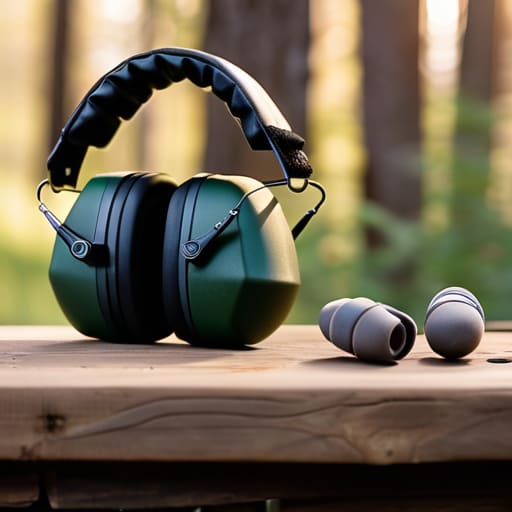
When you look at the packaging for any pair of muffs or plugs, you’re going to see a number followed by “NRR.” Most folks see that number and think it’s a direct measurement of how much quiet they’re going to get, but that’s not quite how the math works. The noise reduction rating explained in the technical manuals is a laboratory measurement taken in a controlled environment, not on a hot Saturday morning at the club. In the real world, factors like how well the seal sits against your glasses or how much you’re moving around will change that number. You have to account for that gap between the box and the actual experience.
If you’re shooting high-velocity rifles, you can’t just rely on a single layer of foam and hope for the best. This is where the double protection method becomes your best friend. By wearing high-quality earplugs underneath a solid pair of muffs, you’re creating a redundant barrier that covers the weaknesses of each individual piece. It might feel a bit bulky at first, but I’ve seen enough people leave the range with a permanent ringing in their ears to tell you: it is better to be over-protected than to regret it later.
Comparing Earplug vs Earmuff Effectiveness for Long Days
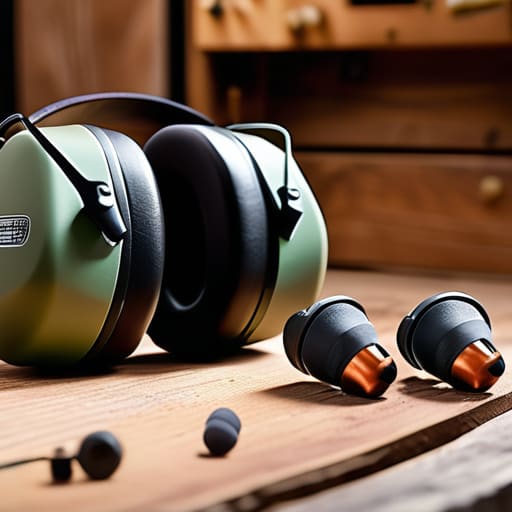
Now, I’ve seen plenty of folks show up to the line with nothing but a pair of cheap foam plugs, thinking they’re set for the afternoon. The truth is, when you’re evaluating earplug vs earmuff effectiveness, it usually comes down to how much time you actually plan on spending on the bench. Muffs are great for immediate, heavy-duty protection, but they can get sweaty and heavy after a few hours of constant wear. On the other hand, high-quality plugs sit deeper in the canal, providing a more consistent seal that doesn’t shift every time you turn your head to talk to a neighbor.
If you’re planning on a full day of high-volume shooting—say, running through several hundred rounds of service rifle—you might find that one or the other leaves you feeling fatigued. For those heavy sessions, I often recommend the double protection method. This means wearing your plugs underneath a good set of muffs. It might feel like overkill to some, but when you’re looking at significant decibel reduction levels, that extra layer is the difference between leaving the range with a clear head or leaving with a dull, throbbing ache that lasts until Tuesday.
Five Ways to Make Sure You’re Actually Protecting Your Ears
- Check the seal, not just the number. You can buy the highest NRR rated muffs on the market, but if you’re wearing thick-rimmed glasses that break the cushion seal around your ears, that rating is basically a lie. Make sure your eyewear and your protection play nice together.
- Don’t overlook the “ringing” test. If you finish a session and your ears are still humming, your gear isn’t doing its job. It doesn’t mean you need the most expensive kit, it just means you need a better fit or a higher rating for the specific caliber you’re running.
- Consider the communication factor. If you’re shooting with a partner or an instructor, electronic muffs are worth their weight in gold. You need to be able to hear my commands or your buddy’s voice without having to rip your protection off and expose your eardrums to the next shot.
- Think about the long haul. If you’re spending four hours on the line, heavy muffs can start to feel like a vice grip on your head. I’ve seen plenty of folks pull their protection off halfway through a session because of discomfort—that’s when mistakes happen. Find something you can wear all day.
- Plan for the environment. If you’re out in the wind or a dusty field, foam plugs might be your best bet to keep the elements out, whereas muffs are great for the controlled environment of a club range. Match the gear to where you actually spend your time shooting.
The Bottom Line on Protecting Your Ears
Don’t just chase the highest NRR number on the box; make sure the gear actually stays seated on your head, because a high rating doesn’t mean much if there’s a gap letting sound leak in.
Plan for the long haul by layering your protection, using plugs for the heavy-duty muff coverage when you’re on the line, rather than trying to make one single piece of gear do all the work.
Treat your hearing protection like your firearm maintenance—check the seals on your muffs and the integrity of your plugs before you ever load a single round.
Making the Final Call
At the end of the day, choosing your hearing protection isn’t about finding the most expensive piece of gear in the catalog; it’s about matching the right NRR to your specific setup and your physical comfort. If you’re running a high-volume centerfire rifle, you need that heavy-duty protection, but if you’re out there for six hours of clay birds, you need something that doesn’t make your head ache from the clamping force. Remember that the best protection is the kind you actually keep in your range bag because it fits right and stays comfortable. Don’t settle for “good enough” just to save a few bucks, because once that permanent ringing starts, there isn’t a piece of gear in the world that can undo it.
I’ve seen plenty of shooters walk onto my line with a “tough it out” attitude, thinking they can just push through the discomfort. That’s a mistake born of habit, and as I always say, habits are what get people hurt. Treating your hearing as a piece of essential equipment—just as important as your holster or your cleaning kit—is what separates a hobbyist from a serious marksman. Take the time to test your gear, find what works for your ears, and respect the noise. If you take care of the small, unglamorous details like this, you’ll be able to enjoy this sport for a long, long time.
Frequently Asked Questions
If I'm wearing electronic muffs to hear my instructor, am I actually getting the level of protection the NRR says I am?
The short answer is no. That NRR number on the box is a lab rating for passive protection—it assumes the muffs are just sitting there, blocking sound. Once you turn on the electronics to hear my voice or the click of a sear, you’re introducing ambient noise back into the seal. Don’t treat that NRR like a guarantee. If you’re using electronic muffs, treat them as a secondary layer and always pair them with plugs if you’re shooting high-volume calibers.
Can I just layer foam plugs under my earmuffs if I'm shooting high-caliber rifles, or is that overkill?
It’s not overkill; it’s smart business. If you’re running high-caliber rifles, you’re dealing with a massive pressure wave that can bypass a single layer of protection. I’ve seen plenty of shooters ignore the cumulative effect of a long session, only to end up with that dull, permanent ringing. Layering foam plugs under muffs—what we call “double plugging”—is a solid habit. It’s better to be over-protected than to spend your retirement in a quiet room.
How do I know if my hearing protection actually fits my head shape well enough to prevent sound leaks?
If you’re wearing muffs and can still hear the sharp “crack” of a shot clearly, you’ve got a leak. Check the seal around your temple and jawline. If you have glasses on, that’s usually the culprit—the frames break the seal. I always tell my students to feel for any gaps while they’re moving their head. If it doesn’t feel like a consistent, firm hug, it isn’t protecting you. Don’t settle for a loose fit.




