I’ve spent twenty years standing on the line at the club, and if I had a nickel for every time a newcomer walked up with a thousand-dollar Italian masterpiece only to shoot like they were throwing stones, I’d have retired a long time ago. People get caught up in the shiny finishes and the brand names, thinking a premium price tag is the secret to a better break. But when you’re staring down a fast bird at twenty yards, the gun doesn’t care about its pedigree; it only cares if it fits your shoulder and stays clean. Learning how to pick a shotgun for sporting clays isn’t about finding the most expensive tool in the glass case; it’s about finding the one that actually works for you when the pressure is on.
I’m not here to sell you on some high-end marketing fluff or tell you that you need a custom-fitted stock to be successful. I’m going to walk you through the practical, unglamorous side of this decision—the stuff that matters when you’re halfway through a long day of dusty stations. We’re going to talk about weight, balance, and reliability, focusing on the mechanical realities that keep you in the game. Get these basics right, and the shooting will take care of itself.
Over Under vs Semi Auto for Clays Picking Your Workhorse
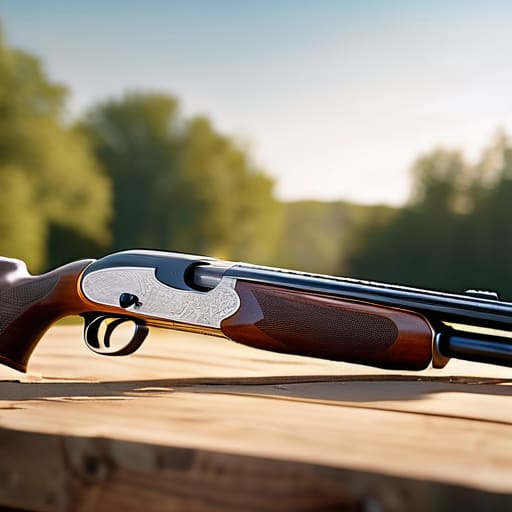
Most folks walk up to the counter and want the semi-auto because they think it’ll save their shoulder. Now, don’t get me wrong, a semi-auto is a fine tool for reducing felt recoil, and if you’re shooting high-volume rounds, that shotgun recoil management matters so you aren’t too sore to drive home. But in my experience on the line, the semi-auto comes with a trade-off: more moving parts. More parts mean more things that can jam when you’re trying to track a fast bird.
I usually lean toward the over/under for sporting clays. There’s a mechanical simplicity to it that I appreciate. You pull a trigger, you fire a shell, and the action stays clean. Plus, you get two distinct shots with two different chokes, which gives you much better control over your pattern. When you’re debating over under vs semi auto for clays, you aren’t just picking a mechanism; you’re picking how you want to manage your rhythm. An over/under keeps your sight picture more consistent because there isn’t a heavy bolt slamming back and forth under your cheek.
Best Shotgun Barrel Length for Clays and Smooth Transitions
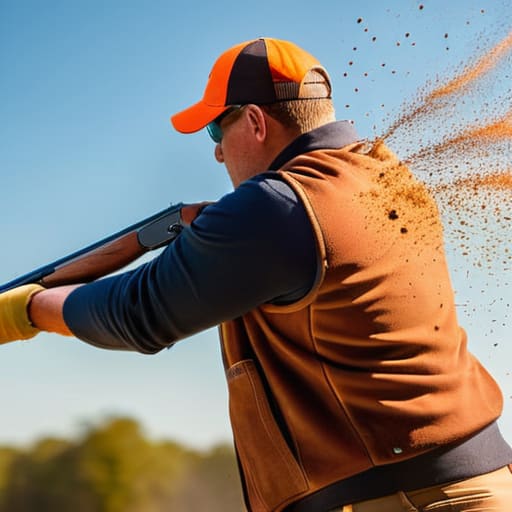
When you’re standing on the station, you don’t want a barrel that feels like a heavy pole dragging you toward the dirt. I’ve seen too many folks buy a gun with a 32-inch barrel because they think “longer is better,” only to find themselves struggling to swing the gun through a tight, fast course. For most people, a 28-inch or 30-inch barrel is the sweet spot. You want enough weight to help with shotgun recoil management so your shoulder doesn’t feel like it’s taking a beating, but you need enough agility to move that muzzle quickly when the bird crosses your line.
It isn’t just about the length, though; it’s about how that length affects your overall sporting clays shotgun ergonomics. If the barrel is too long for your frame, your mount will be sluggish, and you’ll find yourself chasing the clay instead of meeting it. I always tell my students to find a balance where the gun feels like an extension of their lead arm. If you can’t transition from a high hold to a low hold without feeling like you’re wrestling a piece of heavy machinery, the barrel is too long for your style.
The Details That Matter When You’re Actually on the Station
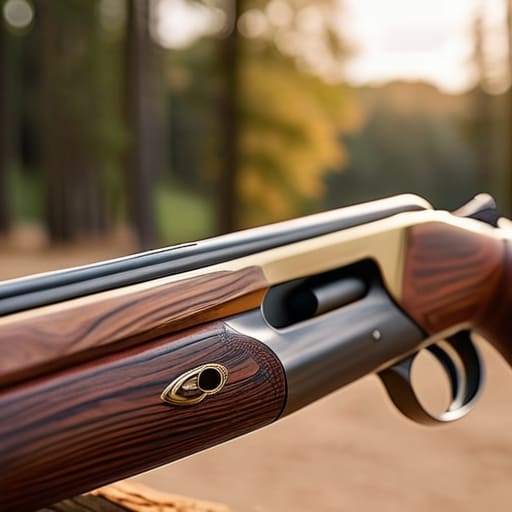
- Don’t get blinded by the fancy engraving or the high-gloss walnut. A pretty gun is nice to look at in a display case, but you need something that’s easy to wipe down after a dusty day at the club. If the finish is so delicate that you’re afraid to sweat near it, you’ve bought a trophy, not a tool.
- Get your eyes on the rib. I’ve seen plenty of folks buy a gun because it felt good in their hands, only to realize two months later that the sight line doesn’t match how they actually track a bird. If you can’t see the clay clearly against the background because the rib is too low or too high for your eye, that’s a hard lesson to learn when you’re paying for shells.
- Check the weight, but don’t just go for the lightest thing in the shop. A gun that’s too light is going to kick like a mule and leave your shoulder feeling like it went through a meat grinder by the tenth station. You want enough heft to soak up the recoil, but not so much that you’re swinging a sledgehammer through the air.
- Look at the trigger pull and the reset. I don’t care how much it costs; if the trigger feels gritty or the reset is sluggish, it’s going to mess with your rhythm. You want a smooth, predictable break every single time. If you have to fight the gun just to get it to fire, you aren’t going to be able to focus on the target.
- Make sure it’s a gun you can actually service. I spend my time restoring old bolt actions, and the lesson is always the same: simplicity wins. When you’re at home cleaning out carbon and grit, you want a gun that comes apart easily without needing a specialized machine shop. If you can’t maintain it, you won’t use it.
The Bottom Line for Your Next Purchase
Don’t get blinded by a fancy finish or a high price tag; focus on whether the gun feels like an extension of your body and if you can actually maintain it without a machine shop.
Choose the action type—Over/Under or Semi-Auto—that matches your patience level and your ability to manage recoil, because a gun you can’t control is just a heavy paperweight.
Prioritize a balance that works for your specific swing; a barrel that’s too long might look pretty, but if it makes your transitions sluggish, it’s going to cost you birds.
Picking Your Partner for the Long Haul
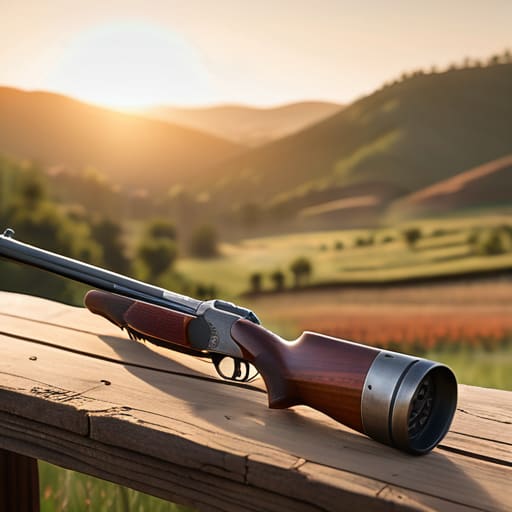
At the end of the day, picking a shotgun for clays isn’t about finding the most expensive piece of machinery on the rack. It’s about finding the right balance between the action that fits your rhythm—whether that’s the snappy, single-trigger reliability of an over-under or the smoother recoil of a semi-auto—and a barrel length that lets you move without feeling like you’re swinging a flagpole. Don’t let the marketing fool you into thinking a fancy stock or a lightweight build will fix a poor stance or a bad follow-through. You need a reliable workhorse that you can clean in ten minutes and trust to go bang every single time you pull that trigger.
I’ve spent twenty years watching folks walk onto the line, and the ones who truly enjoy this sport are the ones who treat their gear with respect. When you find that shotgun that feels like an extension of your own body, the game changes. It stops being about fighting the equipment and starts being about the discipline of the shot. Buy something that works, maintain it like your life depends on it, and then get out there and enjoy the break. The clays don’t care how much you spent; they only care if you’re ready.
Frequently Asked Questions
Should I spend more money on a high-end brand name, or is a mid-range gun with better aftermarket parts a smarter move?
Look, I’ve seen guys show up with twenty-thousand-dollar custom builds only to have them sit in a case because they’re too precious to get dirty. Don’t do that. A mid-range gun that you aren’t afraid to scrub with a brush and some solvent is worth more than a trophy piece that stays clean. Buy a solid, reliable mid-range workhorse, then spend that extra cash on a better trigger job or a better comb. A tool you actually use beats a museum piece every time.
How much does the weight of the gun actually matter when I'm shooting a long course of clays?
It matters more than you think, but not for the reason you’d expect. A heavy gun helps soak up recoil, which keeps your eyes from jumping off the target after the first shot. But if you’re carrying a heavy beast through twenty stations of walking terrain, your muscles will fatigue by the back half. When you get tired, your swing gets jerky. Find that middle ground—enough weight to steady the gun, but not so much that you’re fighting it.
Do I really need to worry about choke tubes, or can I just use whatever comes in the box?
You can certainly start with what’s in the box, but don’t stop there. Those factory chokes are usually a safe middle ground, but they aren’t a magic wand. As you move through different stations, you’ll realize that a tight Improved Modified might be perfect for the long birds, while a wider cylinder helps you react faster on the close ones. Treat your chokes like any other tool in the kit—get the right one for the specific job.




