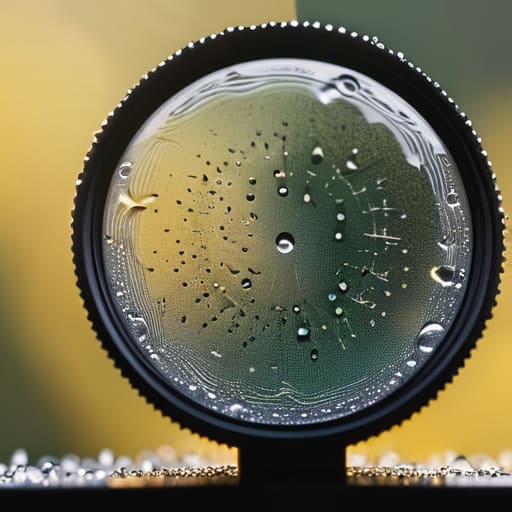
I’ve spent twenty years standing on the line, and I’ve seen plenty of shooters reach for their wallets the second their glass starts clouding up. They think they need some high-tech, expensive chemical coating or a specialized nitrogen-purged optic to solve the problem, but most of the time, they’re just throwing money at a symptom. If you’re out in the field and wondering how to stop a scope fogging, you don’t necessarily need a bigger bank account; you usually just need to fix your gear management habits. I’ve watched guys spend five hundred dollars on a new piece of glass when all they really needed was to stop bringing their equipment from a warm truck straight into the morning dew.
I’m not here to sell you a miracle spray or a fancy gadget that’ll break by next season. My goal is to walk you through the unsexy, practical steps—the kind of maintenance and preparation that actually works when the temperature drops and the humidity rises. We’re going to talk about temperature acclimation, proper storage, and the small, repetitive checks that keep your view clear. Get these basics right, and you won’t be fighting your equipment when it’s time to actually make the shot.
Nitrogen Purged Scopes Why Quality Glass Matters
Now, I’ve seen plenty of folks try to fix a foggy scope by throwing a handful of desiccant packs into their range bag, hoping for a miracle. While those little packets have their place in a dry storage box, they aren’t a substitute for proper engineering. The real difference between a piece of glass that fails you in the field and one that holds steady comes down to what’s inside the tube.
High-end manufacturers use nitrogen purged scopes to solve the problem before you even step onto the firing line. Instead of leaving the internal housing filled with regular air—which is full of moisture—they flush it with an inert gas. This creates a sealed environment that handles temperature swings without a hitch. When you move from a warm truck to a freezing morning on the range, you’re dealing with rapid temperature shifts. Without that internal seal, you’re inviting preventing internal condensation to become a losing battle. If you’re serious about your gear, you have to realize that quality glass isn’t just about the clarity of the reticle; it’s about the integrity of the seal.
Preventing Internal Condensation Before It Starts
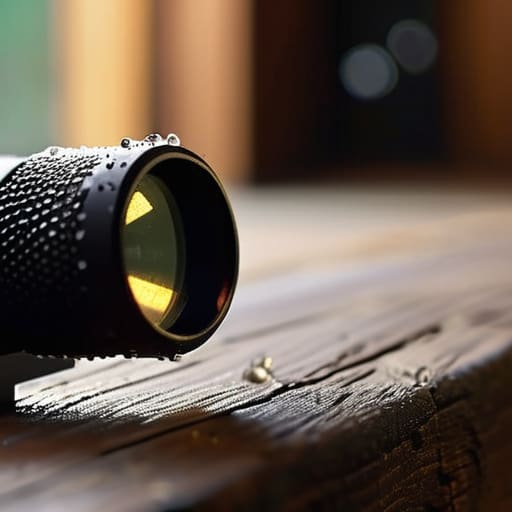
Most people wait until they’re staring at a white blur through their glass before they start worrying about moisture. By then, you’re already behind the curve. Real preventing internal condensation starts long before you head out to the range; it starts with how you manage your gear at home. If you’re pulling a scope straight from a cold, damp basement storage bin and heading directly into a humid morning, you’re asking for trouble. That rapid temperature swing is what invites moisture to settle inside the housing.
I’ve seen plenty of folks try to fix a problem that shouldn’t have happened by shoving desiccant packs for optics into their range bags. While those can help keep your extra gear dry, they aren’t a magic fix for a scope that’s already struggling with a seal. Your best bet is to practice gradual acclimation. If you’re moving from a climate-controlled room to the outdoors, give your rifle time to sit in the staging area. It’s about managing the transition, not just reacting to the fog once it shows up.
Five Habits to Keep Your Glass Clear
- Manage your temperature transitions. If you’re moving from a heated truck cab straight into a cold morning field, that scope is going to pull moisture out of the air like a sponge. Give your gear ten minutes to acclimate in the back of the truck or a case before you start peering through the glass.
- Stop using your shirt to wipe the lenses. I’ve seen it a thousand times. You think you’re just clearing a bit of mist, but you’re actually smearing skin oils and grit across the coating. Use a dedicated microfiber cloth and a bit of lens cleaner, or better yet, don’t touch the glass at all if you don’t have to.
- Check your seal integrity. If you’ve got an older optic or one that’s taken a hard knock, the internal seals might be compromised. If you see fogging inside the tube, it isn’t a “weather” problem; it’s a mechanical failure. That’s a scope that needs a professional service or a replacement, not a quick fix.
- Control the humidity in your gear bag. If you keep your optics in a closed, unventilated hard case with a bunch of damp cleaning rags, you’re just building a terrarium. Toss a few silica gel packets in there to soak up the excess moisture so your gear stays dry while it’s in storage.
- Watch your breath. It sounds simple, but I see shooters leaning way too close to the objective lens and breathing right onto the glass. You’re essentially steaming up your own equipment. Keep a respectful distance between your face and the optic, especially when you’re working on your cheek weld.
The Bottom Line on Keeping Your Glass Clear
If your scope is fogging up on the inside, you’ve got a seal issue or a cheap piece of glass; don’t try to fix it with heat, just plan to invest in nitrogen-purged optics next time.
Most fogging happens because you’re moving too fast from a warm truck to a cold morning air; give your gear a few minutes to acclimate before you start pulling the trigger.
Treat your lens cleaning like a ritual, not a chore, because a smear of oil or a fingerprint is just more surface area for moisture to grab onto when the humidity climbs.
The Bottom Line on Clear Glass
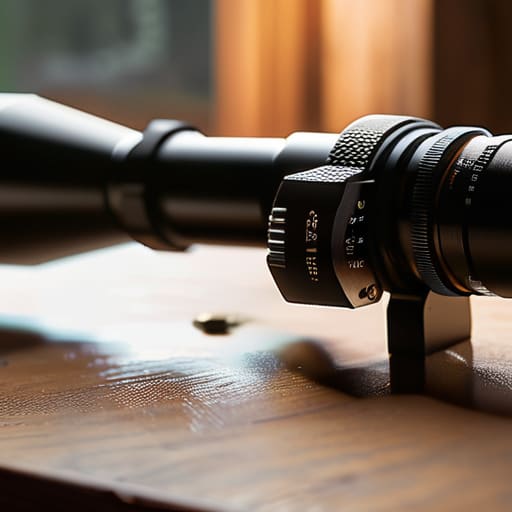
At the end of the day, stopping scope fogging comes down to how much respect you show your gear before you even step onto the line. You can buy the most expensive nitrogen-purged glass on the market, but if you aren’t managing your temperature transitions or keeping your lenses free of oils and smudges, you’re still going to be fighting the elements. It’s about the small things: using proper lens cloths instead of your shirt, ensuring your optics are seated tight, and understanding that preventative maintenance is always easier than trying to fix a clouded view mid-shot. If you treat your gear like an afterthought, it’ll act like one when you’re actually trying to make a clean hit.
I’ve spent enough time on the range to know that the most frustrating failures aren’t usually the ones caused by a lack of skill, but by a lack of preparation. A fogged scope is just a symptom of a broken routine. When you start making these checks part of your standard operating procedure, you stop worrying about the weather and start focusing on the target. Get your habits right, keep your glass clean, and the shooting will take care of itself.
Frequently Asked Questions
If my scope is already fogging up inside the glass, is there any way to fix it without sending it back to the factory?
If you’ve already got moisture trapped inside the housing, you’re in a tough spot. I’ve seen folks try to bake it out or use hair dryers, but stop right there. You’ll melt the seals and turn a fixable problem into a paperweight. If it’s truly internal, the seal is compromised. Your best bet is a professional service or a warranty claim. Don’t try to be a hero with a screwdriver; just send it back.
Does using a lens heater actually work, or is it just an expensive way to stay warm on the range?
Look, if you’re asking if a lens heater works, the answer is yes—but it isn’t magic. It’s physics. A heater keeps the glass temperature just above the dew point so condensation can’t settle. If you’re out in the damp, early morning hours and your glass is clouding, a heater is the only thing that’ll save your session. It isn’t a luxury; it’s a tool for when the environment is working against you.
How much of this fogging is actually just moisture on the outside of the lens versus a problem with the seals?
Most of the time, it’s just surface moisture. If you see beads of water or a film that you can wipe away with a microfiber cloth, that’s your problem. It’s external. But if that fog is sitting inside the glass—where no cloth can reach it—then you’ve got a seal failure. That’s when the nitrogen or argon has leaked out, and the air inside is catching the temperature swing. One’s a cleaning habit; the other’s a hardware problem.




