
I’ve spent twenty years standing on the firing line, and if there’s one thing I’ve learned, it’s that people love to overcomplicate the simple stuff. I see shooters dropping three thousand dollars on high-tech ballistic computers and fancy apps, thinking that’s the secret to long-range accuracy. But all that gear won’t save you if you haven’t mastered the fundamentals of how to dial elevation for distance using nothing but your eyes, your data, and your turret. Most of the guys I see out there are just guessing with their holdovers, praying they hit the steel, instead of building the repetitive, mechanical habit of actually dialing the scope.
I’m not here to sell you a shiny new gadget or a complicated mathematical formula that requires a PhD to solve. My goal is to strip away the noise and show you the unseen discipline of precision. I’m going to walk you through the actual, tedious process of dialing in your elevation—the kind of work that happens before you even pull the trigger. We’re going to focus on the steady, methodical habits that turn a lucky shot into a predictable result.
Precision Distance Measurement Techniques You Cant Ignore

You can have the finest glass and the most expensive turret in the world, but if your number is wrong, your shot is wrong. Most folks rely on a simple rangefinder and call it a day, but they forget that the world isn’t flat. If you’re shooting up a hill or down into a valley, you’ve got to account for the difference between horizontal distance vs slope distance. You aren’t shooting along the ground; you’re shooting through the air along a line of sight, and that change in geometry changes everything.
When the terrain gets tricky, you have to stop treating the rangefinder like a magic wand. If your device doesn’t have built-in ballistic math, you’re responsible for compensating for slope distance manually. I’ve seen too many shooters dial for the total distance shown on the screen, only to wonder why they shot high. You need to understand the angle of the shot. Whether you’re using a laser or a stencil, getting that angle right is just another one of those tedious, repetitive habits that keeps your grouping tight when the environment gets messy.
Horizontal Distance vs Slope Distance the Real Difference
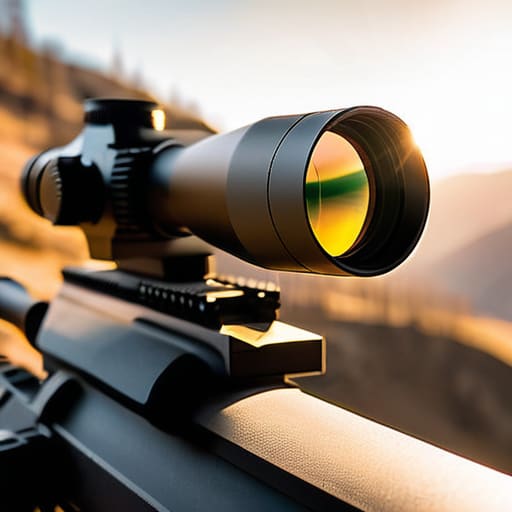
Most shooters make the mistake of thinking their rangefinder is giving them the only number that matters. If you’re looking up a hill or down into a valley, that laser is bouncing off the target and returning the slope distance—the actual path the light traveled along the incline. But your bullet doesn’t care about the length of that diagonal line; it cares about gravity, and gravity only pulls straight down. If you dial your scope based on the total distance the laser traveled without accounting for the angle, you’re going to shoot high every single time.
This is where understanding horizontal distance vs slope distance becomes a matter of discipline rather than just math. You need to be looking for the horizontal component, which is the flat distance between you and the target as if the world were level. Whether you’re using a built-in ballistic calculator or doing the math yourself, compensating for slope distance is a non-negotiable habit. It’s one of those tedious, repetitive checks that separates the people who just pull triggers from the people who actually hit what they’re aiming at.
Five Habits for Reliable Dialing
- Verify your turret zero before you even step out of the truck. I’ve seen too many folks spend twenty minutes squinting through a glass at a target only to realize their mechanical zero was off by two clicks from the start.
- Write your dope down in a way that doesn’t require a math degree. Use a notebook or a card, but don’t rely on your memory when the wind starts picking up and the adrenaline hits; your brain isn’t a calculator when you’re focused on a shot.
- Double-check the direction of your adjustment. It sounds simple, but when you’re tired or dealing with low light, it’s easy to turn that turret the wrong way. Always confirm you’re dialing “up” for distance, not “down.”
- Don’t forget to account for your sight height. If you’re using a different mounting setup than what your data was built on, your entire elevation table is basically a work of fiction.
- Practice the physical motion of dialing until it’s muscle memory. You shouldn’t have to think about how much pressure to apply to that turret; it should be a smooth, deliberate movement that you can do without taking your eye off the target.
The Bottom Line on Distance and Dials
Stop treating your rangefinder like a magic wand; if you aren’t accounting for the slope of the ground, you aren’t actually dialing for distance, you’re just guessing.
Precision starts before you even touch the turret, which means you need to get your horizontal distance measurements right every single time, without exception.
Treat your elevation adjustments as a repetitive, disciplined habit rather than a chore, because the math doesn’t care how much you want to hurry up and shoot.
The Discipline of the Dial
At the end of the day, dialing for distance isn’t some magic trick you pick up after a weekend seminar; it is a sequence of small, deliberate actions. You have to measure your distance accurately, understand whether you are shooting on a slope or a flat plane, and then execute those turret adjustments with mechanical consistency. If you skip the math or try to eyeball a holdover because you’re feeling impatient, you aren’t really shooting—you’re just hoping. Precision comes from the boring work of verifying your data before you ever settle into your cheek weld.
I’ve spent twenty years watching shooters get frustrated because their shots aren’t landing where they expect, and more often than not, it’s because they treated their elevation adjustments like an afterthought rather than a fundamental part of the process. Don’t let your gear do the thinking for you. Build these steps into your pre-shot ritual until they are as natural as breathing. When you respect the physics of the shot and commit to the repetitive discipline of dialing, the results will eventually stop being a matter of luck and start being a matter of certainty.
Frequently Asked Questions
How do I know if my scope's turret clicks are actually accurate enough to trust for long-range dialing?
You don’t guess; you verify. I’ve seen too many folks trust a turret blindly only to find their groups drifting wide because of a loose adjustment or a cheap internal spring. Grab a group of consistent shots at a known distance, dial your elevation, and see where that new center lands. If your math says you should be at 500 yards but the impact says 485, your clicks aren’t telling the truth.
If I'm shooting on a steep angle, do I need to adjust for the slope or just the horizontal distance?
You dial for the horizontal distance. It’s a common point of confusion, but your bullet doesn’t care how long the actual path is along the ground; it only cares about the gravity pulling it down relative to the horizon. If you’re shooting up a steep ridge, use the horizontal measurement. If you try to dial for the slope distance, you’ll end up shooting high. Stick to the horizontal. It’s one of those repetitive checks that keeps you on target.
What's the best way to keep track of my previous clicks so I don't lose my zero when the wind changes?
Don’t rely on your memory; memory is the first thing to fail when the wind starts gusting. I always tell my students to keep a dedicated notebook in their range bag—not a fancy tactical one, just a simple one. Write down your starting zero and every single adjustment you make. If you’re using turrets with repeatable clicks, that’s fine, but a written log is the only way to be certain you aren’t chasing ghosts.




