
I’ve spent twenty years watching folks pour hundreds of dollars into high-tech, electronic dehumidifiers for their gun safes, thinking a fancy gadget is a magic fix for rust. Most of them are just throwing money at a problem they don’t actually understand. If you’re looking for a shortcut, you’re going to be disappointed, because learning how to use desiccant in a safe isn’t about buying the most expensive unit on the shelf; it’s about understanding the mechanics of moisture. I once spent a whole weekend restoring a beautiful old bolt-action only to find the bore had been pitted by a “smart” storage setup that wasn’t actually doing a damn thing.
I’m not here to sell you a miracle or a complicated piece of hardware you’ll have to troubleshoot every month. I want to talk about the unglamorous side of preservation: the actual, repeatable habits that keep your steel clean. I’m going to show you exactly how to select, place, and—most importantly—monitor your desiccant so you aren’t just setting a trap for your gear. We’re going to do this the right way, the slow way, so your equipment stays ready when you actually need it.
Mastering Silica Gel Safety Precautions for Your Gear
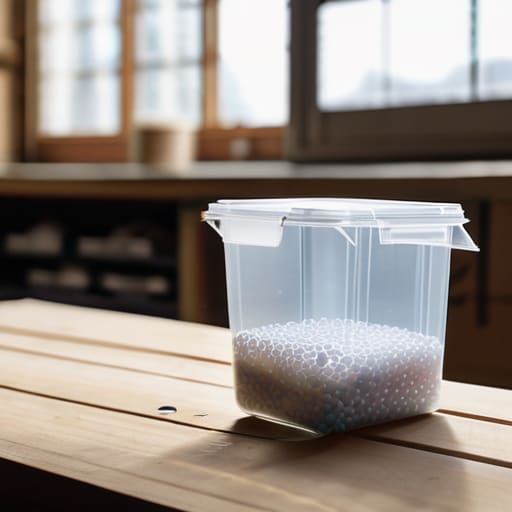
Now, I’m not saying silica gel is a loaded firearm, but you shouldn’t treat it like it’s nothing either. Most people just toss a little packet into a gun case and walk away, but if you’re working with larger quantities or loose beads, you need to be mindful of moisture absorber handling. If you have kids or pets around the workshop, you have to be diligent about preventing desiccant ingestion. Those little beads are a choking hazard and a mess waiting to happen if a bag tears open inside a storage bin.
I also tell my students to pay attention to the beads themselves. If you’re using the type with silica gel color indicators, you’re essentially looking at a built-in warning light. When those beads shift from blue to pink, or orange to green, they’ve reached their limit. At that point, they aren’t protecting your steel anymore; they’re just sitting there. You can look into various desiccant reuse methods like using an oven to dry them out, but you have to do it carefully to avoid cracking the beads. If they’re spent and you can’t revive them, don’t just toss them in the trash where they can leak; follow the proper safe disposal of desiccants for your area.
Reading Silica Gel Color Indicators Before They Fail You
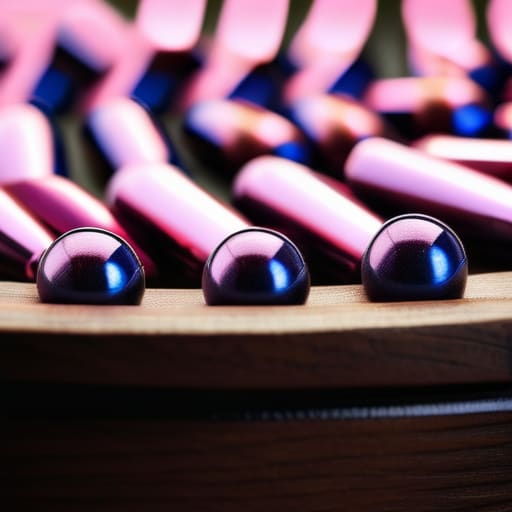
Most of the folks I see at the club just toss a packet into a gun case and assume the job is done. But if you’re using the beads with the built-in silica gel color indicators, you can’t afford to be passive. Those beads are designed to change hue—usually from a deep blue to a pale pink, or from orange to a dull green—to tell you exactly when they’ve hit their limit. If you wait until you see a spot of rust on a barrel to check your packets, you’ve already lost the battle.
I tell my students to make it a habit: every time you pull your rifle or kit out for a session, take five seconds to look at those beads. If the color has shifted, they aren’t protecting your steel anymore; they’re just sitting there. Once they’ve turned, you need to look into proper desiccant reuse methods, like baking them in a low oven to drive the moisture back out, rather than just letting dead weight sit in your safe. It’s a small, unglamorous check, but it’s the difference between a dry action and a ruined piece of history.
Five Habits for Keeping Your Desiccant Working for You
- Don’t just toss a desiccant pack in a box and forget it; you need to check it regularly to make sure it’s actually doing its job of keeping your gear dry.
- Keep your silica packets away from your eyes and mouth; they aren’t food, and they aren’t toys, especially if you’ve got kids or dogs running around the workshop.
- If you’re using loose beads instead of sealed packets, make sure they stay inside a container; you don’t want those little grains getting into your trigger groups or your bolt assembly.
- Seal your storage cases tight before you even think about adding desiccant; if you’re letting fresh, humid air into the box every time you open it, you’re just wasting your money.
- Treat desiccant like a part in a machine—it has a service life. Once it’s saturated, it’s dead weight, so replace it or recharge it before the moisture starts finding its way into your steel.
The Bottom Line on Keeping Your Gear Dry
Don’t trust a desiccant pack just because it’s in the box; if the color indicator says it’s full, it’s time to swap it out or you’re just storing moisture instead of fighting it.
Treat your desiccant like a piece of maintenance equipment—check it on a schedule, not just when you notice rust appearing on your barrels.
Remember that a desiccant pack is a tool, not a permanent solution, and its only job is to buy you time between proper cleanings and deep storage.
The Last Check Before the Case Closes
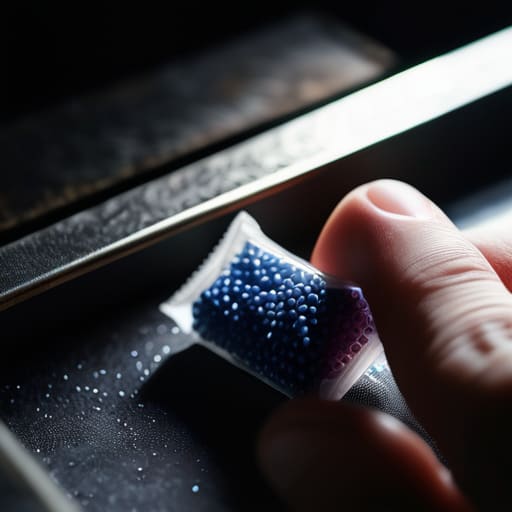
At the end of the day, managing moisture isn’t some complex science experiment; it’s just about maintaining a consistent rhythm. You’ve got to pick the right container, use the right amount of desiccant, and—most importantly—you have to actually look at those color indicators every few months. If you just toss a handful of packets into a safe and assume they’ll work forever, you’re eventually going to open that door to find a layer of rust on your action that didn’t need to be there. It’s the small, unglamorous tasks like checking your silica gel that separate a well-maintained kit from a collection of expensive paperweights.
I’ve spent twenty years watching people treat their gear like it’s indestructible, only to see them struggle when a little humidity finds its way into a neglected safe. Taking care of your equipment is an extension of how you handle yourself on the range. It’s about respect—respect for the tools that allow you to practice this sport and respect for the discipline it takes to do things the right way. Get into the habit of these little checks now, and you’ll find that the shooting takes care of itself because you aren’t fighting your gear; you’re working with it.
Frequently Asked Questions
How often am I actually supposed to be checking these packs to make sure they haven't gone stale?
There’s no magic number, but I tell folks to make it a habit. If you’re pulling your gear out once a month to clean or inspect it, check the packs then. If you’ve got a safe tucked in a damp basement, you’ll want to look every two weeks. Don’t wait until you see rust on a bolt or pitting on a barrel to realize your desiccant gave up the ghost months ago.
If I’m storing a rifle in a heavy-duty case, do I need more desiccant than I would for a simple gun safe?
Actually, it’s usually the other way around. A gun safe is a large, sealed environment, but a heavy-duty case is much smaller. Because there’s less air inside that case, the desiccant is going to work a lot harder to pull moisture out of that tiny space. If you’re stuffing a rifle into a tight-fitting case, you need to be more aggressive with your packs. Don’t let that small volume trick you into thinking you’re covered.
Is it safe to use those loose silica beads in a container, or should I stick strictly to the sealed packets?
Stick to the packets. I’ve seen folks pour loose beads into a dry box to save a few cents, but it’s a headache waiting to happen. Loose beads can migrate into your action, your trigger group, or even your optic seals. If you get a bead stuck in a sear, you’re looking at a mechanical failure you didn’t see coming. Keep the beads contained in their bags; it keeps the moisture out and the grit away from your gear.




