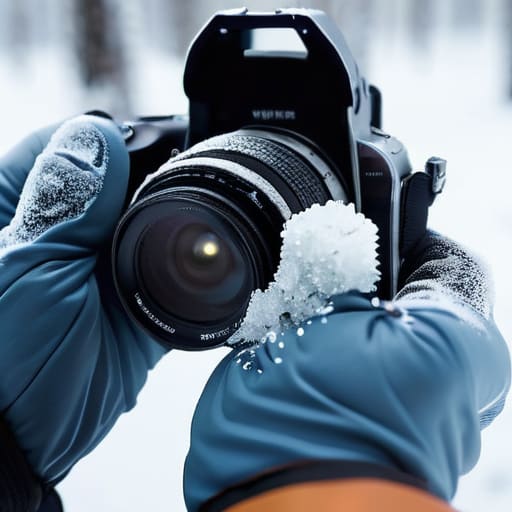
I remember standing on the line last February, watching a guy in a thousand-dollar technical shell struggle to manipulate his bolt because his fingers had turned into useless wooden pegs. He wasn’t lacking expensive gear; he was lacking the simple, unglamorous awareness of how the frost changes your mechanics. Most people think learning how to shoot safely in cold weather means buying a better heater or a thicker parka, but they’re looking at the wrong side of the equation. The real danger isn’t the temperature itself—it’s the loss of fine motor skills and the complacency that creeps in when you’re just trying to stay warm.
I’m not here to sell you on a new brand of thermal gloves or some high-tech gadget. What I want to do is walk you through the actual, gritty habits that keep you and your gear intact when the mercury drops. We’re going to talk about the things most people ignore: managing moisture in your action, the way cold steel affects your grip, and why muscle memory is the first thing to fail you in a freeze. If you get these basics right, you won’t just stay safe; you’ll actually be able to enjoy the range.
Cold Weather Firearm Maintenance You Cant Ignore

When the temperature drops, your gear starts acting differently, and it isn’t just your fingers. I’ve seen plenty of folks head out into the frost only to have their actions sluggish or, worse, completely gummed up. The biggest mistake is over-lubricating. Most people think more oil means better protection, but in a deep freeze, that heavy grease turns into something resembling molasses. It builds up in the tight tolerances of your trigger group and can actually cause a malfunction when you need it most. Stick to a thin, synthetic lubricant designed for low temperatures; you want enough to prevent rust, but not so much that it slows down the mechanical parts.
You also need to keep a close eye on your electronics. If you’re running red dots or electronic ear protection, remember that firearm battery life in cold weather is a real concern. Lithium batteries hate the freeze, and they’ll drain faster than you can say “cold snap.” I always tell my students to keep their spare batteries in an inner pocket, close to their body heat. If you don’t manage the temperature of your gear, you’ll find yourself staring at a dead optic right when the shot presents itself.
Dont Let Frostbite Ruin Your Hunt
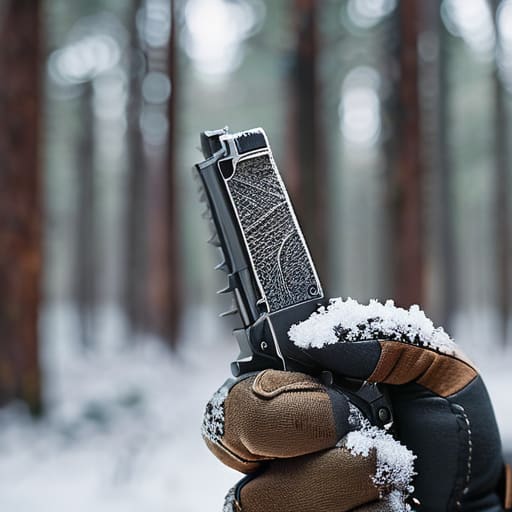
It’s easy to get so focused on your target that you forget your own body is under stress. I’ve seen plenty of folks lose their focus because they were shivering, but the real danger is when you lose sensation. Managing trigger finger numbness isn’t just about comfort; it’s about control. If you can’t feel the break of the trigger because your hands are frozen solid, you’re going to jerk that shot, and in a hunting scenario, that’s how mistakes happen.
I always tell my students that winter shooting gear essentials start with layers that actually work. Don’t just grab any old pair of gloves and hope for the best. You need to find that balance between warmth and shooting glove dexterity tips that actually allow you to work your safety and feel the trigger. If you’re wearing thick, bulky mittens, you’re going to struggle with the mechanics, and that’s when you start making sloppy movements. Keep your core warm, keep your hands moving, and never ignore that first tingle of numbness. Once the cold gets into your bones, it’s a hell of a lot harder to get it out.
Five Habits to Keep Your Head in the Game When the Temperature Drops
- Watch your hands. When it’s freezing, your fine motor skills are the first thing to go. You might think you’ve got a firm grip on that magazine or a steady finger on the trigger, but numbness lies to you. If you can’t feel your fingertips, you aren’t ready to manipulate a firearm. Slow down.
- Mind the “clumsy factor” with your gear. Cold weather makes everything—from your holster to your range bag—feel bulkier and harder to manage. I’ve seen too many folks fumble a reload or a safety because they were wearing heavy gloves and trying to rush. Treat every movement like you’re moving through molasses.
- Don’t forget the breath. It sounds simple, but your own respiration can fog up your optics or your glasses in a heartbeat. If you can’t see clearly, you aren’t shooting safely. Keep a clean cloth in an accessible pocket and make a habit of wiping those lenses every few minutes, not just when they become a problem.
- Manage your battery life. Cold kills electronics faster than almost anything else. If you rely on a red dot or a lighted optic, keep those batteries tucked in an internal pocket close to your body heat. A dead sight in the middle of a drill isn’t just frustrating; it’s a distraction, and distractions lead to mistakes.
- Check your fundamentals twice. When you’re shivering, your body wants to tense up to stay warm, and that tension carries straight into your stance and your trigger press. You have to consciously work to stay relaxed. If you feel yourself tensing up, take a breath, reset your stance, and do the check again.
The Bottom Line on Winter Range Safety
Keep your maintenance proactive rather than reactive; a little extra oil or a different lubricant in the fall saves you from a jammed action when your fingers are too numb to clear it in the winter.
Treat your body like your equipment; if you let your core temperature drop or your hands go numb, your situational awareness goes right along with it.
Slow down your procedures; the cold makes everything feel more rushed, but that’s exactly when you need to repeat your chamber checks and muzzle discipline more deliberately than usual.
Making It Home
At the end of the day, shooting in the cold isn’t about having the most expensive thermal gear or the fanciest rifle; it’s about the small, repetitive things you do before you even step onto the range. It’s about making sure your lubricant isn’t turning into glue in the freezing air, checking that your dexterity hasn’t vanished under three layers of gloves, and knowing when your body is telling you it’s time to pack up. If you focus on the maintenance and the fundamentals of your own physical readiness, you stop the small mistakes from snowballing. Remember, a frozen bolt or a numb finger is just a nuisance, but a lapse in judgment because you were shivering is a serious liability.
I’ve spent twenty years watching people on the line, and the ones who actually enjoy this sport long-term are the ones who respect the environment they’re working in. Don’t let the weather turn a good day of shooting into a lesson in regret. Treat your gear with respect, treat your body with respect, and keep those four core habits at the front of your mind regardless of the thermometer. If you do the unglamorous work of preparing for the cold, you can spend your time doing what you actually came out here for: just shooting.
Frequently Asked Questions
Should I use a different type of lubricant on my action when the temperature drops below freezing?
Yeah, you should. Most of the grease you use in July is going to turn into molasses once it hits twenty below. If your lubricant gets too thick, it slows down the bolt, and that’s when you start getting light primer strikes or failures to cycle. Switch to a lighter, synthetic oil designed for low temps. It’s one of those small, unglamorous checks, but a sluggish action is a reliability problem you don’t want.
How do I keep my eyes from watering so much that I can't actually see my sights?
It’s a nuisance, but it’s a safety issue if you can’t see what you’re doing. First, stop using those cheap, thin windbreakers; you need a brimmed hat to block the wind and the glare. If you’re wearing glasses, make sure they’re snug—wind hitting the side of your eyes is usually the culprit. Lastly, keep some preservative eye drops handy. Don’t wait until you’re squinting and frustrated to fix it.
Is it safer to keep my extra ammunition in an inner pocket against my body or in a dedicated pouch on my vest?
If you’re asking me, keep it in the pouch on your vest. I’ve seen too many folks try to keep ammo in an inner pocket to stay warm, only to have a bit of sweat or condensation seep through and mess with the primers. Moisture is the enemy of reliable ignition. Keep your rounds in a dedicated, dry pouch where they stay accessible and, more importantly, where they stay dry. Keep your gear organized, and you’ll keep your shooting consistent.




