
Most people think that figuring out how to volunteer at a club means signing up for some fancy committee or sitting through endless board meetings where everyone argues about the color of the new signage. They think it’s about “networking” or making sure their name gets printed in the newsletter. That’s nonsense. If you actually want to be useful, you aren’t looking for a title; you’re looking for a heavy-duty trash bag and a set of brass catcher nets. Real volunteering isn’t about the prestige; it’s about being the person who notices the sand traps are getting uneven or that the backstop needs a once-over before the next match starts.
I’m not going to give you a polished handbook or a list of lofty goals that look good on a resume. Instead, I’m going to tell you how to actually contribute so the people running the line don’t have to worry about you. I’ll show you the unseen work—the cleaning, the organizing, and the maintenance—that keeps a range safe and functional. If you do these things right, you won’t just be a volunteer; you’ll be the person the club actually relies on.
Navigating the Volunteer Application Process Without the Fluff

When you start looking into the volunteer application process, don’t expect a corporate HR department with a glossy handbook. Most of these places are run by folks just like us—people who want to shoot and keep the range in shape. You’ll likely find that the application is just a simple form asking for your contact info, your shooting experience, and a background check. They aren’t looking for a resume full of management buzzwords; they’re looking to see if you’re someone who shows up when you say you will and understands that safety isn’t optional.
If you’re hunting for nonprofit club opportunities, my advice is to skip the formal email and just show up on a Saturday morning. Walk up to the range officer, introduce yourself, and ask what needs doing. Most clubs have a backlog of small tasks—cleaning the berms, organizing the tool shed, or checking the lockups on the storage units. Taking on these types of community service roles is the fastest way to prove you’re worth the investment. Once they see you can handle the unglamorous work without being told twice, you’ll find the real club membership benefits start to follow.
Finding Local Volunteer Positions That Actually Matter
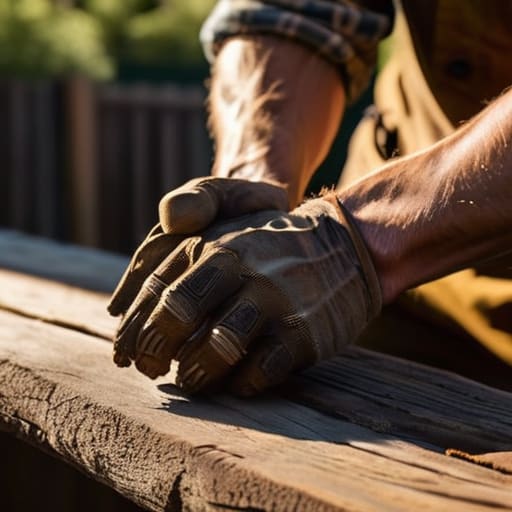
Now, don’t go looking for a title that sounds fancy. If you start searching for “leadership roles,” you’re going to end up with a lot of empty promises and even more paperwork. Instead, you want to look for the actual work that keeps the gates open. When you’re finding local volunteer positions, skip the committee meetings for a minute and look at the maintenance logs or the range schedule. See where the gaps are. Is the berm looking a bit thin? Is the tool shed a mess? That’s where you’ll find the roles that actually move the needle.
I’ve seen plenty of folks join just to claim some club membership benefits, but they disappear the moment there’s a heavy lifting task involved. If you want to actually contribute, look for the grit. True nonprofit club opportunities aren’t found in a glossy brochure; they are found in the dirt, the grease, and the long afternoons spent resetting targets. It isn’t always glamorous, but the people who step up to do the unglamorous work are the ones who actually end up running the show eventually.
The Real Way to Get Your Foot in the Door
- Don’t just sign the mailing list and wait for a call. Show up on a Saturday morning when the line is busy and ask the RSO if there’s a pile of brass that needs clearing or a berm that needs raking. People notice the guy who works before he’s asked.
- Be prepared to do the unglamorous stuff first. If you walk in expecting to be the guy giving the instruction, you’re going to be disappointed. Most of volunteering is cleaning targets, hauling heavy ammo crates, and making sure the clubroom doesn’t look like a disaster zone.
- Learn the club’s specific safety culture, not just the general rules. Every range has its own rhythm and its own way of handling a hot line. If you don’t respect the local procedures, you’re just another liability they don’t need.
- Consistency beats intensity every single time. I’d rather have a guy who shows up for two hours every single month than someone who spends an entire weekend working and then disappears for a year. Reliability is the only currency that matters in a volunteer organization.
- Keep your mouth shut and your eyes open. When you’re new, you’re there to observe how the veterans handle the gear and the people. Watch how they check the chambers and how they manage the transition from cold to hot. You can’t teach what you haven’t seen done right a hundred times.
The Bottom Line
Don’t show up looking for a title; show up looking for a job that needs doing, whether that’s hauling targets or cleaning the brass bins.
Reliability is worth more than any fancy certification, because the club depends on people who actually show up when they say they will.
Treat every task, no matter how small or dirty, with the same discipline you use when checking your chamber.
Making It Count

At the end of the day, volunteering isn’t about getting your name on a plaque or being the loudest person in the clubhouse. It’s about the application, finding the right niche where your skills actually fill a gap, and being willing to do the unseen work that keeps the range running. Whether you’re helping with the heavy lifting of range maintenance or keeping the paperwork straight, remember that every small task contributes to the larger goal of a functional, safe environment. If you approach the process with a procedural mindset and a willingness to learn the club’s specific rhythms, you’ll find that you aren’t just a guest anymore—you’re part of the foundation.
I’ve spent twenty years watching people come and go, and the ones who truly stick around are the ones who realize that a club is only as strong as the people willing to maintain it. You don’t need to be a master marksman to make a difference; you just need to be someone who shows up and does what needs doing without being asked twice. When you step up to volunteer, you aren’t just helping a club; you are protecting the sport for the next generation of shooters. Get the small, unglamorous habits right, and the rest of the community will follow your lead.
Frequently Asked Questions
Do I need to have a specific background in firearms or instruction before I can start helping out?
Not at all. In fact, some of the best hands I’ve seen on the line didn’t know a bore snake from a cleaning rod when they started. We don’t need more experts; we need people who can follow a procedure and show up when they say they will. If you can keep a clean eye on a checklist and respect the rules, we can teach you the rest. Just bring a willing attitude and a bit of patience.
How much of my time is actually going to be spent on the range versus doing administrative or cleaning work?
If you’re looking to spend all day on the firing line, you’re in the wrong line of work. Most of your time will be spent on the unglamorous stuff—scrubbing berms, checking the lockups on the targets, or organizing the club shed. You might get some trigger time, but only after the heavy lifting is done. We don’t keep this place running by shooting; we keep it running by maintaining.
Is there a formal training period for new volunteers, or am I expected to know the club's specific safety protocols on day one?
Look, if you think you’re walking onto my line on day one and running the show, you’ve got the wrong idea. No one expects you to be an expert, but we do expect you to listen. You’ll spend your first few shifts shadowing an experienced hand—someone like me—learning our specific range commands and how we handle cleared firearms. We’ll walk you through the protocols until they’re muscle memory. Just show up ready to learn.




