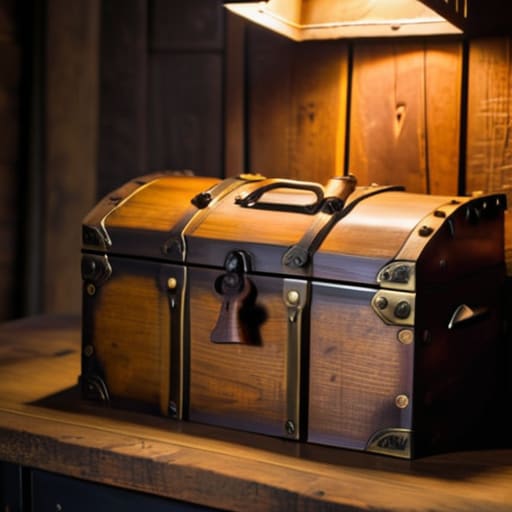
I remember standing in a damp basement back in the late nineties, watching a guy try to organize his reloading bench with nothing but a plastic bin and a prayer. He thought he was being careful, but he was just one static spark or a stray bit of moisture away from a very bad afternoon. People tend to overcomplicate things, buying expensive, high-tech canisters and specialized vaults when they should be focusing on the basics of how to store black powder safely. Most of the “expert” advice you’ll find online is just noise designed to sell you a gadget you don’t need; in my experience, safety isn’t about the gear, it’s about the discipline of your routine.
I’m not here to give you a lecture or sell you a subscription to a safety manual. I want to talk about the unglamorous, repetitive habits that actually keep your workshop from turning into a crater. I’m going to walk you through the practical, no-nonsense ways to manage your supply, from humidity control to separation of materials, based on twenty years of watching what works and what fails. We’re going to get the fundamentals right so you can focus on the shooting, rather than worrying about the cabinet.
Magazines and Storage Lockers for Gunpowder
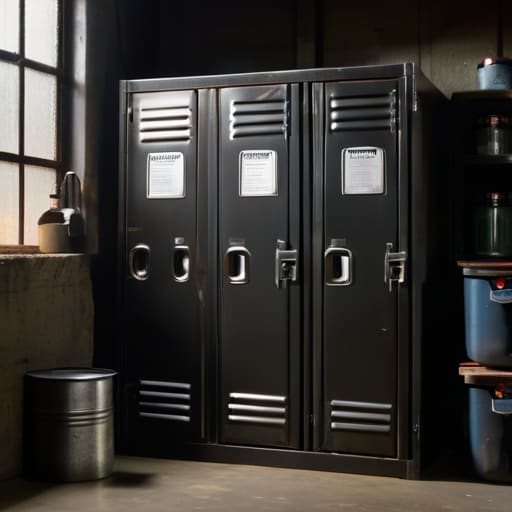
When it comes to magazines and storage lockers for gunpowder, I see too many folks treating their black powder like it’s just another bag of flour in the pantry. It isn’t. If you’re looking for a way to organize your bench, skip the cheap plastic bins. You want something dedicated and sturdy. I always tell my students that preventing accidental ignition starts with separation. Keep your powder in a dedicated, non-combustible metal locker, far away from your cleaning solvents or any oily rags. If it’s in the same cabinet as your gun oil, you’re asking for a headache you don’t want.
You also need to keep a close eye on the environment inside that locker. Black powder is a bit of a diva when it comes to moisture; you need consistent black powder humidity control to keep that grain from clumping or absorbing water. A damp charge is a useless charge, and a degraded charge is an unpredictable one. I’ve spent enough time at the range to know that a little bit of prep work in the storage room saves a lot of frustration at the firing line.
Preventing Accidental Ignition in the Dark
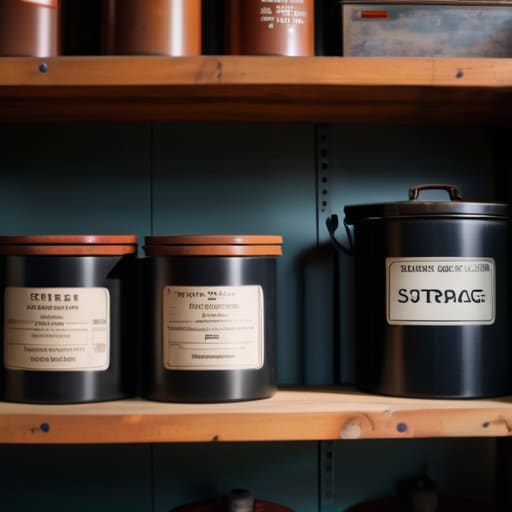
Now, I’ve seen folks try to be efficient by keeping their powder in a drawer right next to their cleaning supplies or a half-finished project in the shop. That’s a mistake you only make once. When you’re working in low light or just reaching into a cabinet in the dark, you can’t afford to be fumbling. You need to be able to identify exactly what you’re grabbing without having to feel around for a label. I always tell my students that preventing accidental ignition starts with how you organize your space before the lights even go out.
If you’re storing your supplies in a basement or a shed, you also have to keep an eye on the air. Black powder is a thirsty substance; it’ll pull moisture right out of the air, which ruins the burn and makes it a mess to clean. Proper black powder humidity control isn’t just about keeping the powder effective; it’s about ensuring the containers don’t degrade or become difficult to handle. Keep your containers sealed tight and your environment stable. It’s a small bit of extra work, but it’s the difference between a reliable shoot and a dangerous headache.
Five Rules for the Powder Cabinet
- Keep your powder separate from the lead and the grease. I’ve seen too many folks toss their black powder tins in the same heavy toolbox as their cleaning patches and bore lubes. One leak from a greasy rag and you’re inviting trouble. Keep the powder in its own dedicated, non-conductive container.
- Watch your humidity like a hawk. Black powder is a sponge for moisture. If you store it in a damp basement or a shed that breathes too much, that powder is going to clump up and become useless. If it’s wet, it’s a headache; if it’s damp, it’s a safety risk. Get a decent desiccant or a dehumidifier in that storage area.
- Stop using metal tools near the tins. I know it’s tempting to use a screwdriver to pry a lid or a metal scoop to measure, but you’re playing a dangerous game with static and sparks. Use wood, brass, or plastic. It’s a small change in habit that keeps a spark from turning your storage locker into a furnace.
- Check your seals every time you go out. Don’t just assume the lid is tight because it was tight last month. Every time you reach for a tin, take a second to make sure the seal is good and there’s no residue around the rim. It’s a three-second check, but it’s the kind of habit that keeps you in the game.
- Respect the “One-Way” rule for your workspace. When you’re measuring or pouring, make sure you aren’t doing it near any active ignition sources—and I mean really far away. Don’t measure your powder on the same bench where you’re cleaning a loaded firearm or where someone else is working with a torch. One mistake there, and the day is over for everyone.
Three Rules for the Powder Cabinet
Keep your powder in a dedicated, dry space that isn’t shared with your cleaning solvents or oils; if they touch, you’re asking for trouble.
Make it a habit to check your storage area for moisture every time you go to the range, because damp powder is just wasted money and a ruined shoot.
Treat your powder storage like a serious part of your gear, not an afterthought—if it isn’t organized and secured, it isn’t safe.
Making It Stick
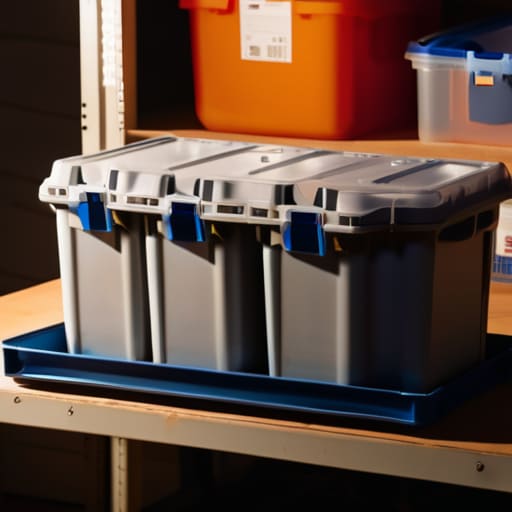
At the end of the day, storing black powder isn’t about following a checklist to satisfy some inspector; it’s about the way you organize your life so that accidents don’t have a place to live. We’ve talked about keeping your powder in dedicated, non-conductive containers, separating it from your primers, and ensuring your storage area stays dry and dark. If you treat your powder like it’s a living hazard rather than just another box of supplies, you’re already ahead of ninety percent of the people I see on the line. Remember, the goal is to make these steps so automatic that you don’t even have to think about them. You want to reach a point where improper storage feels wrong, just like wearing muddy boots on a clean floor.
I’ve spent twenty years watching people rush through their prep work, and I can tell you that the most dangerous moment in shooting isn’t when the trigger is pulled, but when someone gets careless with the materials sitting on the bench. Taking an extra thirty seconds to double-check your cabinet or verify your storage environment isn’t a waste of time; it is the foundation of the sport. If you take care of the unglamorous stuff—the cleaning, the organizing, and the disciplined storage—then you can actually enjoy the time you spend at the range. Do it right, do it every time, and the shooting will take care of itself.
Frequently Asked Questions
Does it matter if I keep my black powder in the same cabinet as my lead shot or primers?
It matters more than you might think. I’ve seen too many folks treat their storage cabinet like a junk drawer, tossing everything in together. Keep that powder away from your primers and lead shot. Primers are sensitive; they don’t need to be rubbing up against your powder in a cramped space. Separate them. It’s about minimizing the risk of a single mishap turning into a much bigger problem. Keep your components distinct.
How often should I be checking my storage area for moisture or signs of container degradation?
I’d say once a month, minimum. Don’t just glance at the boxes; I want you to actually look for that telltale dampness or any swelling in the containers. If you’re seeing rust on your tools or a musty smell in the room, your powder is at risk. It’s a quick check, but you do it every single time you go into that storage area. Consistency is how you catch a problem before it becomes a disaster.
If I’m storing powder for a long time, is it better to keep it in the original manufacturer's packaging or transfer it to something else?
Stick with the original packaging as long as it’s holding up. Those containers are designed for the specific chemistry and moisture needs of that powder. If you transfer it to a generic jar or a plastic tub, you’re introducing variables you can’t control. If the original box is getting soft or falling apart, move it into a dedicated, airtight, non-sparking container. Just don’t go improvising with old food jars. Keep it simple.




