I’ve stood on this line for twenty years, and if there is one thing I’ve seen more than missed shots, it’s the look of pure, quiet frustration on a shooter’s face when they realize their grouping is six inches low because they skipped a simple step. Most people think they need a high-tech laser alignment tool or a fancy workshop setup to figure out how to confirm a zero after transport, but that’s just expensive noise. You don’t need a degree in ballistics to realize that a bumpy ride in the back of a truck can do more damage to your point of impact than a bad trigger pull ever could.
I’m not here to sell you a kit or give you a lecture on theory. I’m going to walk you through the practical, unglamorous reality of verifying your optics using nothing but what you should already have in your range bag. We’re going to talk about the specific, repeatable checks that ensure your rifle is actually ready to work before you ever pull the trigger. My goal is to make sure that when you finally settle into your stance, you aren’t wondering where your shots went—you’re just shooting the damn thing.
Post Transport Equipment Verification Why Vibrations Lie to You
You might think that because your rifle was snug in a padded case, everything stayed exactly where you left it. That’s a dangerous way to look at it. Even if the bolts stayed tight, the constant, high-frequency micro-vibrations from a truck engine or a bumpy gravel road do things to your optics that you can’t see with the naked eye. It isn’t always a major shift, but it’s often a subtle creep. Think of it like sensor zero drift correction in a precision machine; you can’t just assume the baseline is still there because the environment looked stable.
I’ve seen guys pull a rifle out of a Pelican case, head straight to the bench, and wonder why they’re grouping two inches low. The truth is, those vibrations lie to you. They don’t necessarily knock a mount loose, but they can cause internal shifts in the glass or even minute movements in the mounting screws. Performing a proper post-transport equipment verification isn’t about being paranoid; it’s about acknowledging that mechanical stability is never a permanent state. You have to prove the zero is still there before you start pulling the trigger.
Zero Point Stability Testing Before the First Shot
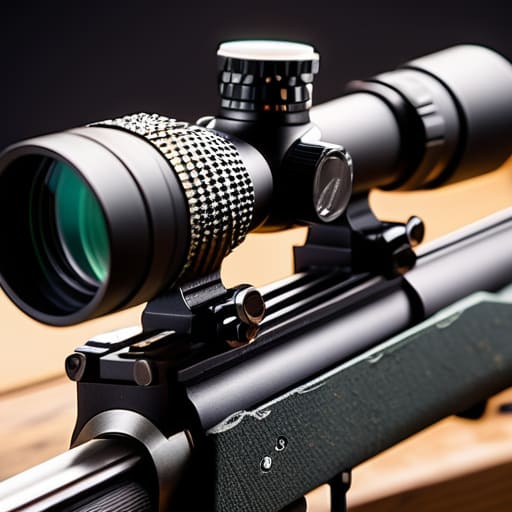
Before you even think about pulling the trigger, you need to perform some actual zero point stability testing on your setup. I’ve seen guys spend an hour dialing in a scope only to realize the mount screws had settled a hair during the drive. You aren’t just checking if the rifle is safe; you’re checking if your mechanical platform is still telling the truth. I always tell my students to treat their optics like a precision tool—if it’s been bouncing around in a hard case for two hours, you can’t just take its word for it.
Start by checking your mounting hardware for any sign of movement. It’s not about being paranoid; it’s about measurement accuracy maintenance. If a screw has backed out even a fraction of a millimeter, your point of impact is going to wander, and you’ll be chasing shadows all afternoon. If you’re using electronic aids or high-end spotting scopes, don’t skip the basic checks. Treat your gear with the same respect you’d give a piece of calibrated machining equipment. Once you’ve confirmed the hardware is tight, only then are you ready to see where that iron is actually pointing.
Five Ways to Make Sure You Aren't Chasing Ghosts on the Line
- Re-torque your mounting screws. I’ve seen enough cases where a bumpy ride in a truck bed turns a solid mount into a loose one. Don’t just give them a finger-tight nudge; use your torque wrench and check them against your specs before you even uncase the rifle.
- Check your windage and elevation turrets. Vibrations can walk a dial just enough to throw you off by a few MOA. I always give my turrets a quick check to make sure they haven’t drifted from where I left them at home.
- Inspect the scope rings for any shifting. It sounds simple, but if the ring has moved even a hair on the rail, your zero is gone. Look for any signs of the metal rubbing or the ring sitting slightly off-center before you start dialing in shots.
- Verify your eye relief hasn’t changed. Sometimes, if a scope gets bumped or shifted during transport, your point of aim might stay the same but your visual alignment will be off. Make sure that scope is sitting exactly where your cheek weld expects it to be.
- Do a physical check of your optic’s tightness to the rail. If you’re using a Picatinny or Weaver system, make sure the mounting hardware hasn’t backed out. A loose optic is just a very expensive way to miss the target.
The Bottom Line for the Range Bag
Never trust a zero just because the rifle was fine when you packed it; road vibration and temperature swings are constant, invisible variables that can shift your point of impact without you ever knowing it.
Make a physical check of your mounts and turret caps part of your routine before you even shoulder the gun, because a loose screw is a much bigger problem than a bad shot.
Treat the first shot of the day as a diagnostic tool rather than a scoring round, and be willing to walk the steps of re-zeroing if that first group tells you the transport took a toll.
The Bottom Line on the Line
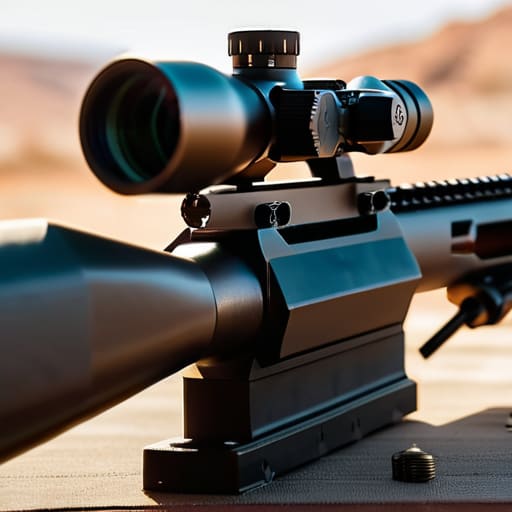
At the end of the day, confirming your zero isn’t about being paranoid; it’s about being prepared. You’ve checked your mounting screws for tightness, you’ve accounted for the constant vibration of the road, and you’ve run those stability tests to make sure your optics didn’t shift while you were driving. Don’t let a little bit of ego convince you that your rifle is magically immune to the bumps and jolts of a long haul. Trust the process, not your assumptions. If you skip these steps, you aren’t just risking a bad group on paper; you’re wasting time, ammunition, and more importantly, you’re losing the mental discipline that separates a serious shooter from someone just playing around.
I’ve seen plenty of folks walk onto the range, eager to start pulling triggers, only to realize ten shots in that their point of impact has drifted a good few inches. It’s frustrating, and it’s avoidable. Shooting is a game of variables, and while we can’t control the wind or the light, we can absolutely control the state of our own equipment. When you take those extra ten minutes to verify your zero, you’re doing more than just checking a rifle—you’re building a foundation of consistency. Get the unglamorous stuff right, and when it finally comes time to take that shot, you won’t be wondering why you missed. You’ll just be shooting.
Frequently Asked Questions
If I'm using a hard case with foam, can I skip the verification check for a short trip to the local range?
No. You don’t skip it. I’ve seen plenty of guys think a foam-lined hard case is a magic shield against physics, but it isn’t. A bumpy road or a heavy bump in the trunk can still shift a mount just enough to ruin your group. It only takes a fraction of a millimeter to turn a bullseye into a miss. Treat every trip like it was across the state. Check it, every single time.
How do I tell the difference between a bumped optic and a loose mounting screw just by looking at my groups?
If your groups are just drifting one way, like a slow crawl toward the bottom of the target, you’ve likely got a loose mounting screw. It’s a mechanical shift. But if your groups are erratic—shifting directions or suddenly throwing shots wide in different ways—that’s a bumped optic. A loose screw is a predictable error; a bumped glass is a chaotic one. If the pattern doesn’t make sense, stop shooting and check your torque.
Is it worth carrying a torque wrench in my range bag just to double-check my mounts after a long drive?
It’s more than worth it. I’ve seen plenty of folks arrive at the range only to find their optic has shifted a hair because a mounting screw backed off during a bumpy ride. Vibrations are relentless. If you’re hauling gear over washboard roads, a small torque wrench is the cheapest insurance you can buy. Don’t just eyeball it; grab the tool and verify those mounts are still set to spec before you even think about zeroing.




