I’ve spent twenty years standing on the line at the club, and if there is one thing that makes my blood pressure rise, it’s watching a shooter turn a perfectly good afternoon into a funeral for their wallet. Most people think zeroing is just a matter of “spray and pray” until a hole appears in the center of the target, but that’s a fast track to an empty ammo box and a lot of frustration. If you’re looking for a magic trick or some high-tech gadget to do the work for you, you’re in the wrong place; I’m going to show you how to zero without wasting ammunition by actually using your head instead of just your trigger finger.
I’m not here to give you a lecture or sell you a fancy new optic. My goal is to walk you through the unsexy, methodical steps that I’ve seen work for thousands of shooters, from the novices to the guys who’ve been shooting since before I had gray hair. We’re going to talk about mechanical consistency, proper grouping, and the small, disciplined checks that ensure every single round you pull from that box actually counts toward your goal. We’ll get it right the first time, so you can stop burning brass and start actually shooting.
Mastering Bore Sighting Methods Before the First Shot
Before you even think about cracking open a box of premium match grade, you need to get your eyes in the ballpark. I’ve seen too many folks head to the range with a perfectly mounted optic, only to spend forty rounds chasing a point of impact that’s six inches off because they skipped the basics. You want to start with proper bore sighting methods to get that crosshair roughly centered on your target. Whether you’re using a dedicated laser tool or the old-fashioned way with a rod, the goal is the same: minimize the distance between where you think you’re aiming and where the barrel is actually pointing.
If you can get your first shot to land within a few inches of the bullseye, you’ve already won half the battle. This isn’t about perfection; it’s about reducing ammo consumption during that initial, frustrating phase of adjustment. When you skip this step, you aren’t practicing precision shooting techniques—you’re just practicing how to turn expensive brass into scrap metal. Get the mechanical alignment right in the shop, and the actual work at the range becomes a matter of fine-tuning rather than a desperate search for the target.
Optical Sight Adjustment Without the Guesswork
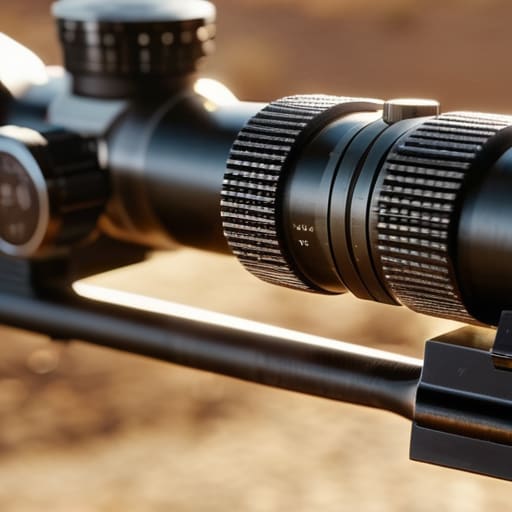
Once you’ve got your bore sight roughly aligned, you still have to deal with the mechanical reality of the scope. Most folks make the mistake of cranking the turrets like they’re trying to win a race, only to end up chasing their own tail. Instead of guessing, you need to focus on systematic optical sight adjustment. I’ve seen too many shooters fire a round, see it hit low, and then overcorrect by three clicks when they only needed one. You aren’t just moving a point of impact; you are learning the specific language of your optic.
If you want to avoid turning your range bag into a graveyard of spent brass, you have to respect the math. Before you even head to the line, make sure you understand how your specific reticle handles grouping and shot placement. When you finally do fire that first live round, don’t just look at where it hit—look at how it relates to your previous mechanical adjustments. If you treat the adjustment process like a machining tolerance rather than a game of luck, you’ll find yourself zeroed in far faster than the guy screaming at his target.
Five Ways to Keep Your Ammo Box Full
- Stop the “spray and pray” mentality. Most folks start shooting as soon as they mount the glass, but if you haven’t checked your bore sight, you’re just burning money to find out you’re ten inches low.
- Use a dedicated bore sight tool instead of just guessing. It’s a small investment, but it puts your first shot in the ballpark rather than somewhere in the next county, saving you dozens of rounds right out of the gate.
- Group your shots before you chase the bullseye. I see too many shooters adjust their turrets after every single shot. Shoot a three-round group, find the center of that cluster, and move your adjustments based on the group, not the individual hole.
- Watch your environmental variables. If the wind is gusting twenty miles an hour, don’t waste twenty rounds trying to zero into a moving target. Wait for a lull, or you’re just chasing ghosts and emptying your magazine for nothing.
- Know your click values. Before you even step onto the range, make sure you actually know how much your turret moves per click. There’s no sense in adjusting for windage if you don’t know if you’re moving an inch or a foot.
The Bottom Line on Efficient Zeroing
Stop treating your first magazine like a sacrifice; use bore sighting and mechanical checks to get your point of aim close to your point of impact before you even touch the trigger.
Treat every adjustment like a machining tolerance—small, deliberate clicks are better than frantic cranking, because you can’t undo a wasted box of brass.
Discipline is the difference between a successful morning at the range and a frustrating afternoon of chasing groups; master the prep work so the shooting actually stays productive.
Discipline Over Volume
At the end of the day, zeroing isn’t about how many rounds you can dump into a paper target before the sun goes down. It’s about the work you do before the bolt even cycles. If you’ve taken the time to bore sight properly, used a steady rest instead of your shaky freehand, and actually listened to what your groups were telling you instead of just chasing the center, you’ve already won half the battle. Stop treating your ammunition like it’s infinite and start treating it like a finite resource that requires a plan. When you approach the range with a methodical process rather than a “spray and pray” mentality, you save money, you save time, and you actually learn something about your rifle.
I’ve spent twenty years watching people get frustrated because they couldn’t find their zero, usually because they were rushing through the fundamentals. Shooting is a discipline of patience, and that starts long before you pull the trigger. When you master the unglamorous side of the sport—the prep work, the steady holds, and the incremental adjustments—the actual shooting becomes the easy part. Respect the process, keep your habits tight, and you’ll find that the accuracy you’re looking for isn’t found in a larger ammo box, but in the discipline of your routine.
Frequently Asked Questions
If my bore sight is off by a few inches at fifty yards, am I just wasting more ammo trying to chase it, or is there a way to know if it's actually worth shooting?
If you’re off by a few inches at fifty, you aren’t just wasting brass; you’re practicing bad habits. At that distance, a few inches is actually a decent starting point. It tells me your bore sight is doing its job. Don’t go chasing individual shots yet. Use those adjustments to get into the “neighborhood” of the bullseye first. Once you’re hitting the paper consistently, then you can worry about the fine-tuning.
How much should I actually be trusting my mechanical zero versus just relying on the optics to get me there?
Look, you trust the mechanics, but you respect the math. If your mounts aren’t torqued to spec and your rings aren’t level, you’re chasing a ghost. A solid mechanical zero—getting that point of aim close to your point of impact through proper mounting and bore sighting—is your foundation. It’s the difference between a ten-minute job and a two-hour headache. Trust your hardware to get you in the ballpark, then let the glass do the fine tuning.
Is there a point where I should stop adjusting the turrets and just accept that the setup is flawed before I burn through another box of premium rounds?
If you’ve dialed the turrets and your groups are still dancing all over the target, stop. You aren’t fighting the wind or your trigger finger anymore; you’re fighting your hardware. If the adjustment isn’t bringing the point of impact toward the center, you likely have a mounting issue, a loose optic, or a barrel that’s seen better days. Don’t waste more premium brass chasing a ghost. Re-check your rings, tighten your mounts, and start over.




