I’ve spent twenty years watching people walk down the range line, and I can tell you right now: nobody cares how much you spent on your optics if your gear arrives covered in grit and scratches. I see folks dropping a hundred bucks on a fancy tactical bag that’s basically just thin nylon and hope, thinking that’s the secret to how to choose a soft case that actually does its job. Most of those high-priced bags are nothing more than glorified laundry bags with a camouflage print, and if you’re looking for real protection, you’re looking in the wrong places.
I’m not here to sell you on a brand name or some overpriced marketing hype. My goal is to show you the unspoken details—the stuff like zipper gauge, foam density, and seam reinforcement—that actually keep your equipment safe from the real world. We’re going to talk about the practical, unglamorous side of gear selection so you can stop wasting money on fluff. If you want to know the truth about how to choose a soft case that survives a decade of use, you’re in the right place.
Why Protective Gear Material Matters More Than Color
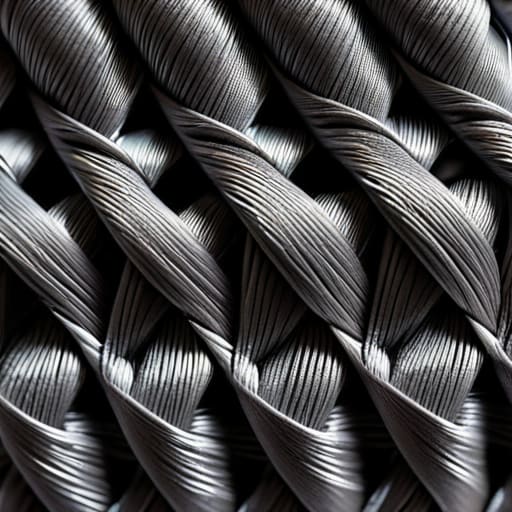
I’ve seen plenty of folks walk onto the line with cases that look great in a catalog—bright colors, flashy patterns, the works. But once you’ve spent twenty years watching gear get beat up in the back of trucks and tossed into humid storage bins, you realize that aesthetics don’t stop a scratch or a dent. When you’re looking at protective gear material, I want you to ignore the camo or the neon and look at the weave. If the fabric feels thin or flimsy between your fingers, it isn’t going to do its job when things get crowded in your vehicle.
You need to be looking for more than just a pretty shell. A decent case should utilize a high-quality water resistant fabric to keep morning dew or a sudden downpour from seeping into your action. It’s about the density of the padding and how it handles the reality of daily use. I’d much rather carry a plain, black bag that actually holds its shape than a colorful one that collapses the moment you set it down. Focus on the build, because the material is what stands between your tools and the elements.
Testing Impact Resistance Before You Hit the Range
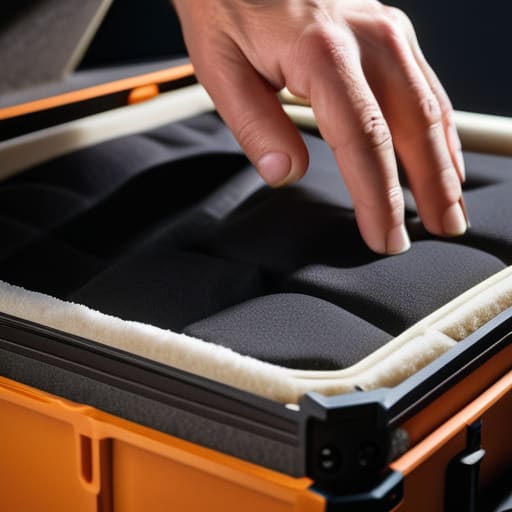
Most folks walk into the shop, see a case that looks rugged, and call it a day. But looking tough and actually providing shock absorption technology are two different things. I’ve seen too many people drop a case off a truck bed or slam it into a car door, only to find their optic has been jarred out of zero or a finish has been marred. When you’re testing a case, don’t just look at the exterior; give the padding a real squeeze. If it feels like cheap, thin foam that bottoms out immediately under pressure, it isn’t going to do much for your gear when life gets messy.
A better way to gauge this is to look for density. A good case should have a firm, resilient feel to the padding that recovers its shape instantly. You want something that acts as a buffer between your equipment and the hard reality of a bumpy trunk ride. If the manufacturer doesn’t mention specific impact resistance testing or the density of the foam, I usually treat that as a red flag. It’s better to spend an extra twenty bucks now than to pay for a professional optic repair later because your case was nothing more than a glorified fabric bag.
Five Things to Check Before You Zip It Shut
- Look at the zippers, not just the fabric. I’ve seen too many folks buy a case that looks great until they try to pull a rifle out of it, only for the teeth to jump the track. If the zipper feels sticky or flimsy in the store, it’s going to fail you in the parking lot. Get something with heavy-duty, oversized teeth that move smoothly every single time.
- Check the internal dividers. A single open compartment is just a way to let your gear bang against itself. You want thick, Velcro-attached dividers that actually stay where you put them. If they’re too thin, they’ll just slide around, and you’ll end up with a scratched optic or a loose sling before you even reach the firing line.
- Don’t ignore the handle and the shoulder strap. You aren’t just carrying this once; you’re lugging it from the truck to the bench, through the wind, and maybe even through a bit of rain. If the stitching where the handle meets the case looks thin, it won’t hold the weight of a loaded setup for long. Look for reinforced stitching—the kind that doesn’t look like it was done in a rush.
- Mind the extra space. It’s tempting to buy a case that’s just barely big enough for your rifle, but you need room for the essentials. I want a case that has dedicated, padded pockets for my cleaning kit, my magazines, and my tools. If you have to carry three different bags because your case is too tight, you’re making your own life harder than it needs to be.
- Consider the “weather factor” of your local range. If you’re shooting in a place that gets damp or dusty, a basic nylon bag might not cut it. You want something with a water-resistant coating or a tight weave that won’t let moisture soak straight through to your metalwork. A little bit of condensation inside a case is a fast track to a rust problem you didn’t ask for.
The Bottom Line on Gear Protection
Stop buying for the look; if the zipper feels like it’s going to snag on a piece of thread, it’s going to fail when you’re actually trying to secure your gear.
Padding thickness isn’t a suggestion, it’s a requirement—if you can feel the shape of your optic through the fabric, you aren’t protecting it from a drop.
A case is only as good as the habit behind it, so make sure your storage solution actually fits into your routine instead of being something you struggle to pack every Saturday.
Making the Right Call
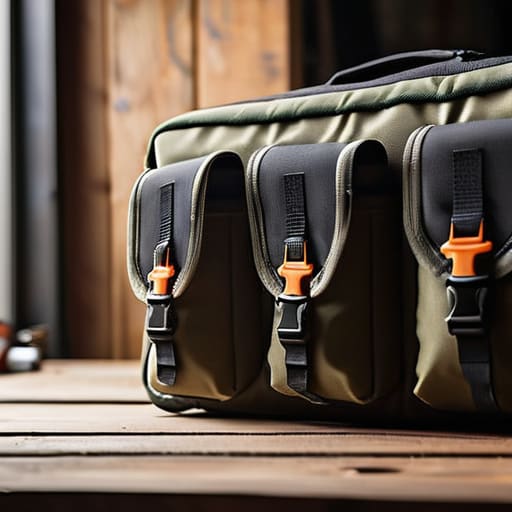
At the end of the day, picking a case isn’t about finding the one that looks best in a catalog or the one with the most tactical-looking patches. It comes down to the fundamentals we’ve talked about: choosing a material that can actually take a beating, checking that the zippers won’t fail you when you’re halfway home, and ensuring the internal padding is thick enough to handle a real-world bump. If you ignore the quality of the construction just to save a few bucks, you’re eventually going to pay for it in scratched finishes and damaged optics. A soft case is a tool, not an accessory, and it needs to be treated with the same attention to detail as the rifle it’s holding.
I’ve spent twenty years watching folks treat their gear like an afterthought, only to see them frustrated when a cheap bag lets moisture or grit get to their equipment. My advice is simple: invest in a case that respects the tools you carry. When you take the time to select the right protection, you aren’t just buying a bag; you are upholding a standard of care that keeps your gear reliable for the long haul. Get the unglamorous stuff right—the storage, the padding, and the protection—and you’ll find that you spend much less time worrying about your gear and much more time focusing on your fundamentals at the range.
Frequently Asked Questions
If I’m mostly driving from the house to the range, do I really need heavy-duty impact protection, or is a thinner case enough?
If you’re just doing a twenty-minute drive in a climate-controlled car, you don’t need a tank. But don’t mistake “thin” for “safe.” A case that’s too flimsy won’t protect your optics from the vibrations of a bumpy road or the occasional bump against a door frame. I always tell folks: look for decent padding that holds its shape. You aren’t protecting against a drop from a truck; you’re protecting against the constant, small stresses of travel.
How do I know if the internal dividers are going to hold up, or if they're just going to tear the first time I try to organize my gear?
Look for Velcro-backed dividers, not the sewn-in kind. If the dividers are stitched directly into the lining, you’re stuck with whatever layout the manufacturer decided was best, and they’ll eventually fray from the constant tugging. I want to see thick, heavy-duty hook-and-loop strips. When you move them, they should feel substantial, not like thin felt. If you can pull them apart with a light tug, they won’t survive a season of real gear.
Is there a point where a case becomes too bulky to be practical, even if it is well-padded?
There’s absolutely a tipping point. I’ve seen guys show up with cases so thick they look like they’re hauling a piece of industrial equipment. If you can’t get it from the truck to the bench without a struggle, or if it won’t fit in the trunk alongside your other gear, it’s a liability. A case should protect your tools, not become a chore you eventually stop using because it’s too much damn work.




