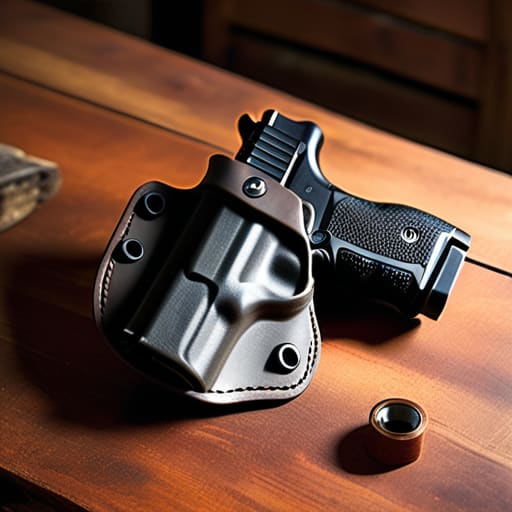
I’ve spent twenty years standing on the line, and if there is one thing I’ve learned, it’s that people spend way too much money on high-tech, kydex-molded gear while completely ignoring the basics of how to use a holster safely. I’ve watched guys walk onto the range with a three-hundred-dollar custom setup, only to see them stumble through a draw because they haven’t mastered the simple, boring mechanics of retention and finger discipline. A holster isn’t a trophy to show off; it’s a tool that requires a specific set of repetitive habits to work the way it’s supposed to.
I’m not here to sell you on the latest tactical trends or tell you that you need more gear to be secure. What I want to do is walk you through the unglamorous side of carry—the checks you do when nobody is watching and the muscle memory that keeps a mistake from becoming a tragedy. We’re going to focus on the actual mechanics of the draw, the importance of a proper fit, and the small, consistent habits that ensure your gear stays exactly where it belongs.
Decoding Concealed Carry Holster Mechanics and Retention Levels
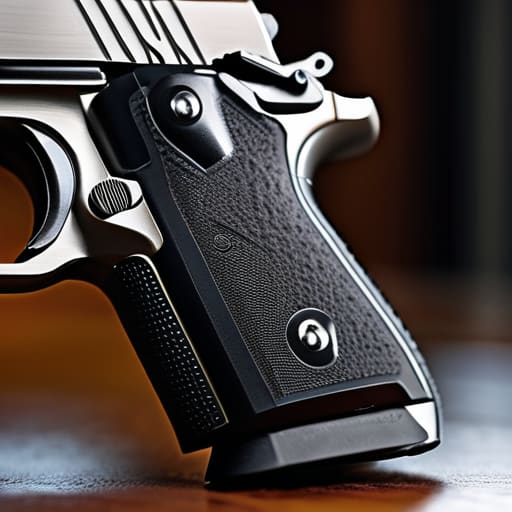
When you’re looking at a holster, don’t just get distracted by the fancy Kydex colors or the brand name. You need to understand the actual concealed carry holster mechanics at play. Most people think a holster is just a bucket for a gun, but it’s really a mechanical interface between you and your tool. You’ve got active retention—that’s the physical click or tension that keeps the piece from sliding out—and passive retention, which is just the friction of the material. If you don’t understand how much force it takes to break that seal, you’re going to run into trouble during a draw or, worse, when you’re just moving around in your daily life.
I’ve seen too many folks pick a holster because it “felt good” for ten minutes, only to realize they’ve ignored the holster retention levels explained by the manufacturer. If the tension is too light, the gun becomes a projectile when you sit down in a car; if it’s too tight, you’ll fight the holster instead of drawing the gun. It’s a balancing act. You want enough grip to ensure the firearm stays put during movement, but not so much that you’re compromising your ability to clear the holster under pressure.
The Daily Habit of Avoiding Improper Holster Usage Risks
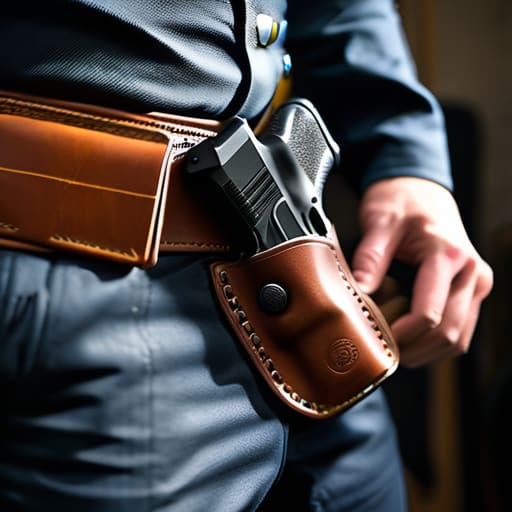
Most people think the danger ends once the gun is tucked away, but that’s where the real work begins. I’ve spent twenty years watching folks walk into the club with a holster that’s either too loose or positioned in a way that fights their natural movement. If you aren’t checking your gear every time you put it on, you aren’t practicing safety; you’re just hoping for the best. One of the biggest improper holster usage risks I see is a lack of physical awareness. If your holster is digging into your hip or riding too high, you’ll subconsciously start adjusting it throughout the day. That constant fidgeting is exactly when a snag or an accidental discharge happens.
You need to make the pre-carry check a part of your morning routine, right up there with brushing your teeth. Before you leave the house, verify that your retention is actually engaging and that your clothing isn’t interfering with the draw path. It’s about more than just comfort; it’s about ensuring your firearm carry safety protocols are actually being met in the real world, not just on a range target. If the fit feels off, don’t just “deal with it.” Fix the gear before you ever step out the door.
The Checks You Do When Nobody Is Looking
- Check your retention every single time you sit, stand, or move. Don’t just assume the clip or the tension is holding because it was fine ten minutes ago; if you aren’t physically verifying that the piece is seated, you’re just hoping for the best.
- Make sure your holster isn’t fighting your body. If you have to yank or twist to get it seated, you’re going to eventually snag something or, worse, lose the gun entirely during a movement. A holster should feel like part of you, not an obstacle.
- Watch your trigger guard clearance. I’ve seen too many folks try to “adjust” their carry by shoving a finger near the trigger well; your holster should provide a hard, physical barrier that keeps your finger nowhere near that trigger until you’ve actually drawn.
- Inspect your gear for wear and tear as part of your cleaning routine. A cracked polymer shell or a loose screw on a kydex holster isn’t just a maintenance issue—it’s a safety failure waiting to happen.
- Practice the draw in a controlled environment so the muscle memory is boring. You don’t want to be “learning” how your holster interacts with your clothing when you’re actually under stress; you want the movement to be so procedural that you could do it in your sleep.
The Bottom Line on Holster Habits
Retention isn’t a setting you pick once; it’s a continuous check to make sure your gear is actually working with your body, not against it.
A holster is only as safe as the person wearing it, so if you aren’t verifying your draw and seating every single time you belt it on, you’re just gambling.
Don’t let comfort become an excuse for laziness; a holster that feels too easy to slip out of is a holster that’s going to fail you when it matters.
The Habit is the Safety
At the end of the day, using a holster safely isn’t about finding the most expensive Kydex on the market or mastering a high-speed draw. It comes down to the mechanics we talked about—understanding your retention levels and, more importantly, never skipping the physical check. If you aren’t verifying that your firearm is seated properly and that your retention is holding every time you transition from your vehicle to your house, or from your desk to the range, then you aren’t truly carrying. You’re just relying on luck, and in my twenty years on the line, I’ve learned that luck eventually runs out.
I’ve watched a lot of folks treat safety like a checkbox they can tick once and forget about. But real safety is a quiet, repetitive process. It’s the unglamorous work of checking your gear when nobody is watching and making sure your habits are as disciplined as your aim. If you can master the small, boring details of your holster setup, the rest of the sport becomes a lot more predictable. Get those fundamentals locked in, make them second nature, and you’ll find that the peace of mind you get is worth far more than any target score.
Frequently Asked Questions
How do I know if my holster retention is actually high enough for my daily activities, or am I just overcompensating?
You don’t find the answer by tugging on the grip while you’re standing in your living room. You find it by living your life. If you’re sitting in a car, bending over to tie a shoe, or reaching for a heavy grocery bag and that holster shifts or pulls at your waistband, it’s too loose. If you’re constantly adjusting it just to keep it in place, you’re overcompensating for a bad fit. If it stays put during the mundane stuff, you’re set.
What are the specific signs that my holster setup is starting to fail before an actual accident happens?
Listen for the click, but watch for the movement. If you’re reaching for your belt and the holster feels like it’s riding a fraction of an inch lower than it did last week, your belt is failing or your mounting hardware is backing out. If you feel the piece shifting against your hip while you walk, your retention is gone. Don’t wait for it to fall out in the parking lot; if it moves, it’s broken.
When I'm transitioning from a seated position to standing, what's the safest way to ensure my gear stays put and doesn't snag?
When you’re moving from seated to standing, that’s when the gear wants to work against you. Don’t just lunge upward. I tell people to focus on the transition: stand up first, then stabilize your core before you even think about reaching for your belt or adjusting your kit. If your holster isn’t seated tight against your hip, that movement is going to snag your clothing or pull the holster out of alignment. Check your tension. Always.




