I’ve spent twenty years watching folks walk down the range with a brand-new optic, eyes wide with the belief that more glass equals more glory. I’ve seen guys spend three months’ salary on a massive, heavy scope just because they thought a bigger bell would make the target pop, only to realize they can’t even get the rifle to a comfortable cheek weld without feeling like they’re lugging a brick around. They get so caught up in the marketing hype that they forget the basics of how to choose an objective lens size that actually fits their specific purpose. It’s one of those expensive mistakes that doesn’t show up until you’re actually out in the field, trying to find a target in the low light and realizing your gear is working against you.
I’m not here to sell you on the latest high-priced trend or give you a lecture on theoretical physics. I’m going to walk you through the practical, unglamorous reality of matching your glass to your actual shooting habits. We’re going to talk about light transmission, weight management, and why the right choice is usually much smaller than you think.
Lens Diameter Specifications More Than Just a Pretty Number
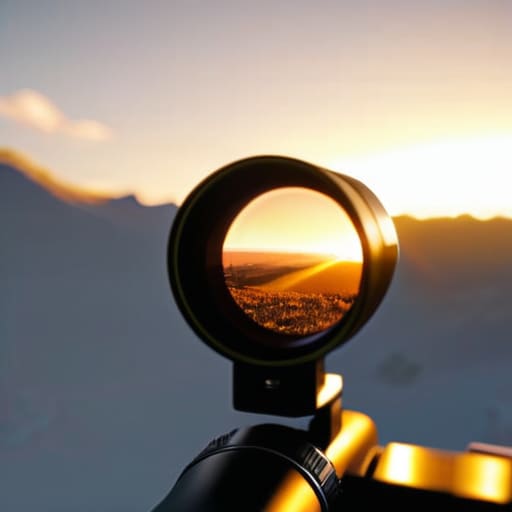
When you’re looking at a spec sheet, those numbers—40mm, 50mm, 56mm—can feel a bit arbitrary if you don’t know what they’re actually doing for your setup. Most folks think a bigger number just means more light, which is true enough, but it’s more about how that diameter manages the trade-off between your magnification and your field of view optimization. A larger lens captures more light, which helps maintain a bright image even when you’ve dialed that magnification up high, but it also adds weight and bulk that can make a rifle feel unbalanced in the hands.
It’s easy to get caught up in the math, but I tell my students to think about the practical application. You aren’t looking at microscope magnification levels here; you’re looking at how much light is actually reaching your eye to maintain optical resolution and clarity at distance. If you go too small, your image will look dim and “muddy” the second the sun starts to dip. If you go too large, you’re carrying extra glass you don’t need. It’s about finding the sweet spot where the glass serves the rifle, not the other way around.
Field of View Optimization Dont Lose the Details You Need
Here is where a lot of folks get tripped up. They see a larger number on the spec sheet and assume it’s a straight upgrade, but they forget that what you see through the glass is a trade-off. When you’re looking for field of view optimization, you’re essentially balancing how much of the world you can see against how much detail you can actually resolve. If you go with a massive objective lens to catch every bit of light, you might find yourself with a view so narrow it feels like you’re looking through a straw.
In my experience on the line, I’ve seen shooters struggle because they picked glass that prioritized optical resolution and clarity at the expense of situational awareness. If you’re hunting or moving through brush, you need to see the target and the environment around it. If your lens is so specialized that it only shows you a tiny, hyper-detailed circle, you’re going to miss the movement in the periphery. It’s about finding that middle ground where the gear serves your specific task, rather than just looking good on a spec sheet.
Five Habits for Picking the Right Glass
- Don’t chase the biggest number just because it’s on the label. A massive objective lens looks great on a shelf, but it adds weight and bulk that’ll turn a quick rifle into a heavy chore after an hour of hiking.
- Match your lens to your actual discipline. If you’re sitting in a benchrest position, go big to soak up that light; if you’re moving through brush, keep it small so you aren’t constantly fighting the diameter.
- Consider your eye relief and clearance. I’ve seen too many folks buy a scope with a huge objective only to realize they can’t get their cheek weld right because the bell is in the way.
- Watch the weight-to-light ratio. It’s a trade-off you have to make every time. More glass means more light in the twilight, but it also means more strain on your neck and more gear to manage.
- Check your mounting height. A larger objective lens requires higher rings to clear the barrel, and once you start stacking height, you’re changing your entire natural point of aim.
The Bottom Line on Your Glass
Stop chasing the biggest number on the box; a massive objective lens is useless if the weight makes you shake or the extra glass doesn’t actually serve the distance you’re shooting.
Match your lens diameter to your lighting reality, because a small lens in low light is just as bad as a heavy, oversized one that you can’t carry comfortably.
Treat your choice like any other piece of gear—it’s not about what looks good on a spec sheet, it’s about the habit of picking the tool that works for your specific discipline.
Making the Final Call
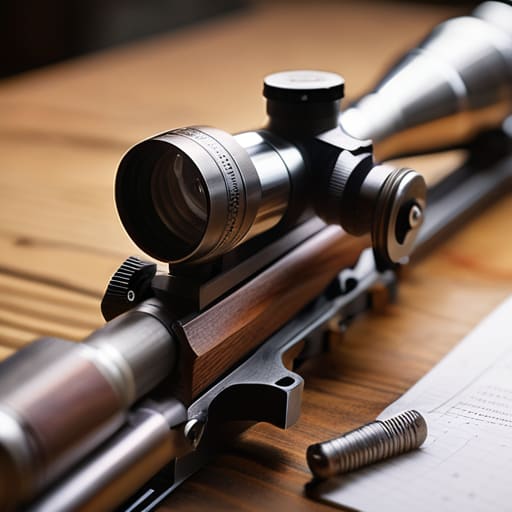
At the end of the day, picking an objective lens isn’t about buying the most expensive glass on the shelf or chasing the biggest number in the catalog. It’s a balancing act between light transmission, weight, and how much of the world you actually need to see through that tube. You have to weigh the benefit of a larger lens against the extra bulk it adds to your setup and the way it shifts your center of gravity. Remember, a massive objective lens is useless if the extra weight makes you hesitate during a transition or if the height makes your cheek weld feel unnatural. Stick to the math of your specific discipline—whether that’s long-range precision or quick-moving clays—and don’t let the marketing hype override the practical reality of your gear.
I’ve spent twenty years watching people walk onto the range with top-tier equipment that they clearly didn’t understand, and it usually shows in their performance. Real proficiency comes from knowing exactly what your tools are capable of and, more importantly, where their limits lie. When you choose your optics, do it with the intention of long-term reliability and consistent use. Get your fundamentals right, maintain your gear with discipline, and make sure your setup serves your shooting rather than the other way around. If you respect the mechanics of your equipment, the results will eventually follow.
Frequently Asked Questions
If I go with a larger objective lens for better light, am I going to run into clearance issues with my rifle's mounting system?
That’s a sharp question, and it’s exactly the kind of thing people overlook until they’re staring at a scope that won’t sit in the rings. Yes, you absolutely will. A bigger lens means a larger diameter, which can bump right into your barrel or the receiver. Before you commit to that extra light, check your mounting height and your rail clearance. Don’t let a beautiful piece of glass become a piece of scrap because it won’t fit.
Is there a point where a bigger lens becomes a liability in terms of weight and how much it drags down my shooting stability?
There absolutely is. I’ve seen plenty of shooters chase every millimeter of glass only to find they can’t hold the rifle steady anymore. A massive objective lens adds weight and changes your center of gravity, which is a real problem when you’re trying to steady a shot in the field. If your scope is so heavy that it’s fighting your muscle memory, you aren’t shooting better; you’re just fighting your gear. Keep it balanced.
How much of a real-world difference does that extra glass actually make when I'm shooting in low light versus a bright, clear morning?
It’s the difference between seeing a target and seeing a shadow. On a bright morning, you can get away with smaller glass because there’s plenty of light to work with. But once that sun dips or you’re hunting in the dawn, that extra diameter becomes your lifeline. It gathers more light, pulling detail out of the gloom. Don’t wait until you’re staring at a gray blur to realize you should’ve gone bigger.




