I’ve spent twenty years standing on the line at the club, and if there’s one thing I’ve learned, it’s that people spend way too much money on high-end optics only to toss them into a flimsy, cheap plastic bin that wouldn’t survive a trip to the grocery store. You’ll see guys walking around with gear that costs more than my first truck, yet they have no clue how to choose a hard case that actually does its job. They think a brand name on a sticker means protection, but I’ve seen more than a few cracked receivers and scratched finishes because someone bought the cheapest option available just to save twenty bucks.
I’m not here to sell you on some tactical, military-grade nonsense that costs a month’s mortgage. What I want to do is walk you through the practical, unglamorous reality of what actually keeps your tools safe from dust, moisture, and the inevitable bump in the trunk. We’re going to talk about seals, foam density, and latch reliability—the stuff that actually matters when you’re halfway to the range. If you get the foundation right, the shooting takes care of itself.
Dont Bet Your Gear on Low Impact Resistance Ratings
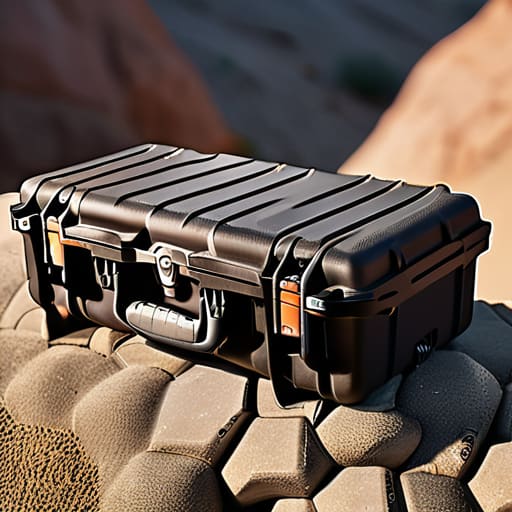
When you’re looking at a spec sheet, don’t get blinded by a shiny finish or a brand name you recognize from a commercial. You need to look closely at the impact resistance ratings. I’ve seen guys drop a brand-new rifle on a gravel parking lot, only to find out the “heavy-duty” case they bought was little more than a glorified lunchbox. If the plastic is thin enough to flex under your thumb, it isn’t going to protect a precision optic when it takes a tumble from a truck bed.
You want something built for the real world, not a showroom. Look for polypropylene case durability that actually holds up when the temperature drops or the terrain gets rough. It’s about more than just surviving a drop; it’s about ensuring the structural integrity remains intact so your gear doesn’t shift and strike the interior walls. If you aren’t buying a case that can handle a bit of abuse, you aren’t buying a shield—you’re just buying a container. Invest in the shell first, because a cracked case is a failure you can’t afford.
The Truth About Polypropylene Case Durability
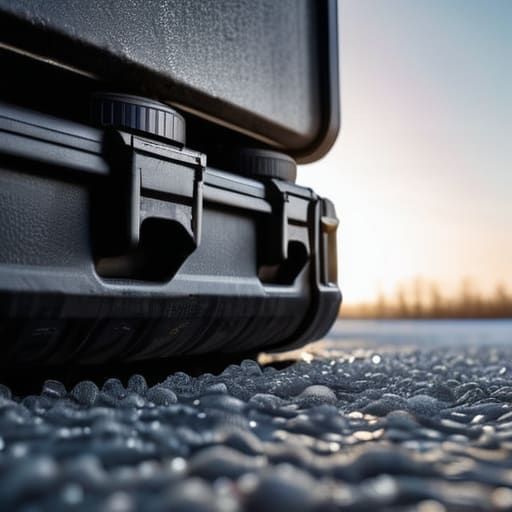
You’ll see a lot of marketing jargon thrown around when you’re looking at these boxes, but let’s talk about the actual material. Most decent gear lives inside a polypropylene shell. Now, don’t let the chemical name fool you; it’s just a heavy-duty plastic that handles the real world better than the cheap, brittle stuff you find at big-box retailers. When I’m looking at polypropylene case durability, I’m not looking for something that looks pretty on a shelf. I’m looking for a material that won’t crack when the temperature drops forty degrees or when a heavy kit gets tossed into the back of a truck.
The real test isn’t how it looks in the sunlight; it’s how it behaves under pressure. A good case needs to act as a secondary skin for your rifle. If the plastic is too thin, it lacks the structural integrity to protect your optics during a bump. You want a material that absorbs the energy of a drop rather than transferring that shock directly into your barrel or your glass. If the shell fails, nothing else inside matters.
Five Things to Check Before You Close the Lid
- Check the seal, not just the latches. I’ve seen plenty of cases that look rugged until they hit a bit of dust or a splash of rain, and then that O-ring fails. If the seal isn’t tight enough to keep moisture out, you aren’t protecting your steel; you’re just giving it a place to rust.
- Look at the foam density. If you press your finger into the foam and it feels like a cheap sponge that bounces right back, it’s going to fail you. You want something that actually absorbs the energy of a bump, not something that lets your rifle rattle around inside like a loose bolt in a bucket.
- Test the latch tension. A good case should require a deliberate effort to snap shut. If the latches feel flimsy or pop open with a light tug, they won’t hold up when you’re tossing that case into the back of a truck or stacking it under a heavy gear bag.
- Mind the internal dimensions. It’s easy to get excited about a big, heavy case, but if your rifle is sliding around because the case is two inches too wide, you’ve just bought a very expensive coffin. Measure your longest piece of equipment twice; I’ve seen too many folks realize their mistake only after they’ve already paid for the shipping.
- Verify the handle’s mounting points. This is where most people get careless. Don’t just look at the handle; look at where it meets the body of the case. If those screws or rivets look thin or poorly seated, that handle is going to snap off the first time you carry a full load, and that’s a long way down for a precision optic.
The Bottom Line on Your Gear's Shield
Stop looking at the price tag and start looking at the material; if it isn’t high-density polypropylene or a comparable impact-resistant polymer, you aren’t buying a case, you’re buying a glorified storage bin.
A case is only as good as its weakest seal, so make sure your choice has weather-resistant gaskets that actually hold when you’re hauling gear through a rainstorm or a dusty trail.
Don’t forget the interior; if the foam or padding doesn’t allow you to secure the rifle so it can’t shift even a fraction of an inch, you’ll end up with more than just a scratched finish when you hit a bump.
Making the Final Call
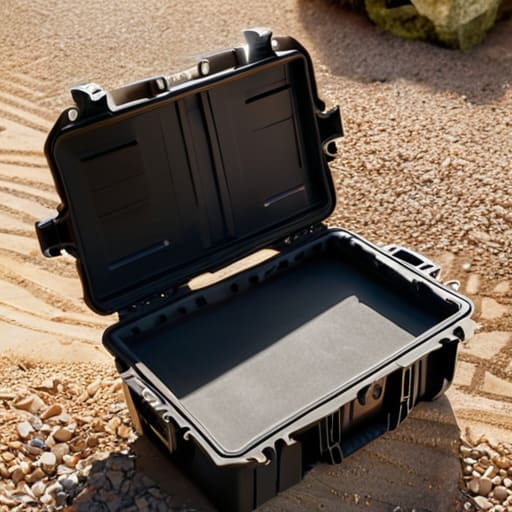
At the end of the day, choosing a case comes down to understanding that you aren’t just buying a container; you are buying a layer of insurance for your tools. You need to look past the flashy logos and the marketing fluff to see if that material can actually handle a drop on a gravel driveway or a heavy load in a truck bed. Check your impact ratings, verify the seal on those O-rings, and make sure the foam isn’t so cheap that it turns to dust after six months. If you skip these details, you’re essentially gambling with your investment, and in this sport, the house always wins when you try to cut corners on the basics.
I’ve spent twenty years watching people treat their gear like it’s indestructible, only to see them walk onto the line with a scratched optic or a bent rail because they shoved everything into a flimsy bag. It doesn’t have to be that way. When you invest in a proper, rugged hard case, you’re practicing the kind of discipline that defines a real shooter. It isn’t glamorous, and nobody is going to clap for you because you picked a good case, but when you pull a clean, calibrated rifle out of a secure box after a long trip, you’ll know you did it right. Get the foundation solid, and the rest of the sport will follow.
Frequently Asked Questions
If I'm mostly driving my gear in a truck, do I really need a case with a high-end pressure equalization valve?
Look, if you’re just driving a truck from your garage to the club, you can probably skip the fancy valve. But here’s the thing: most people don’t just drive; they toss that case in a truck bed, leave it in a hot car, or haul it on a plane once a year. If that pressure builds up or drops too fast, you aren’t just fighting a seal—you’re fighting a vacuum that makes opening the case a chore. Get the valve. It’s one less habit to worry about.
How do I know if the foam inside is actually going to hold my rifle steady or if it's just going to compress and let the barrel rattle around?
Look, if you’re buying a case with that cheap, open-cell foam that looks like a sponge, you’re asking for trouble. That stuff compresses under the weight of a real rifle and stays compressed. Once it loses its spring, your barrel is just rattling around in a plastic box. You want closed-cell foam. It’s denser, it doesn’t soak up moisture, and most importantly, it pushes back. If the foam doesn’t fight you, it won’t hold your rifle.
Is it worth paying the extra money for a case with integrated padlock holes, or is that just something manufacturers add to drive up the price?
It’s not just a markup. I’ve seen people try to “rig” a padlock onto a case using zip ties or cheap hardware, and it never holds. If a thief wants what’s inside, they’ll snap a zip tie in two seconds. Integrated holes mean the steel is part of the frame. If you’re hauling gear through airports or leaving it in a truck bed, that extra bit of security is worth every penny.




