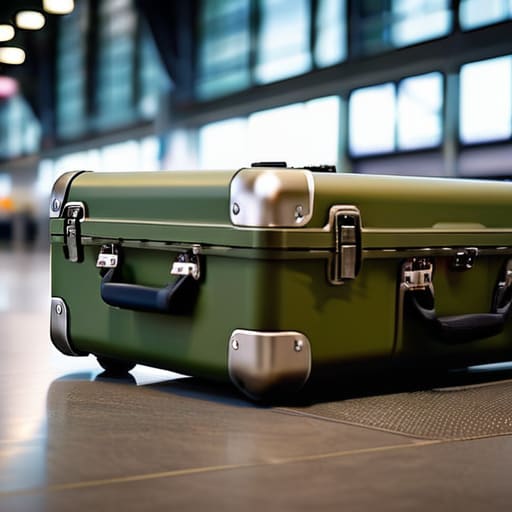
I’ve spent twenty years watching folks walk down the range line, and if there’s one thing I’ve learned, it’s that people tend to overcomplicate the things that actually matter. I see shooters spending five hundred dollars on “tactical” hard cases with fancy latches, thinking that’s the secret to a smooth trip, when they haven’t even mastered the basics of how to pack a firearm case for a flight. They focus on the gear, but they completely ignore the procedure. I once saw a guy spend an hour obsessing over his specialized foam inserts, only to realize he hadn’t even checked if his ammunition was in a separate, compliant container. He was so busy looking “pro” that he forgot to be prepared.
I’m not here to sell you on some overpriced, heavy-duty aluminum box that’ll break your back at the terminal. What I want to do is walk you through the unglamorous, essential steps that keep you out of a TSA briefing room and ensure your equipment actually makes it to your destination in one piece. We’re going to talk about the checks nobody watches you do—the real stuff like verifying locks, managing your paperwork, and organizing your mags—so you can stop worrying about the logistics and get back to the shooting.
Unloaded Handgun Travel Requirements You Cant Ignore
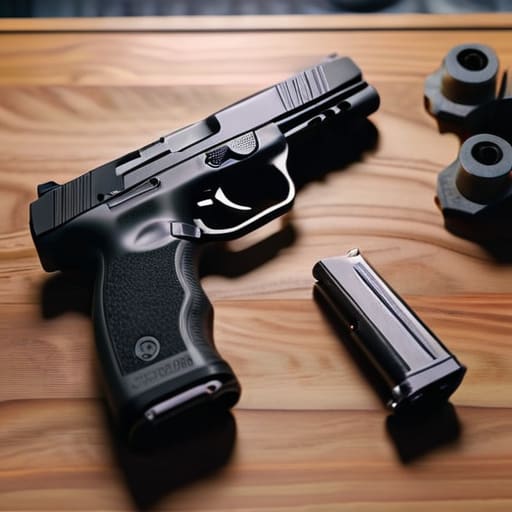
Look, I’ve seen plenty of folks get nervous at the checkpoint because they thought they were being clever, but the TSA doesn’t care about your intentions—they care about the rules. When it comes to unloaded handgun travel requirements, the first thing you need to understand is that “unloaded” means more than just emptying the magazine. You need to physically and visually verify that the chamber is empty. I always tell my students: if you wouldn’t trust a stranger to check it, don’t trust it to pass a security screening.
Once you’ve confirmed that the slide is locked back or the cylinder is open, you need to think about how that piece is actually sitting in the box. You aren’t just throwing it in a bag; you are following TSA firearm transportation regulations that require the firearm to be in a locked, hard-sided container. If you’re using a soft bag, you’re asking for a headache. I prefer a dedicated hard shell with secure firearm case locks that are easy to open for an inspection but won’t pop open if a baggage handler tosses your case a little too hard. Do the work before you leave the house, and you won’t be the one sweating under the fluorescent lights at the terminal.
Firearm Ammunition Packing Rules for a Stress Free Gate
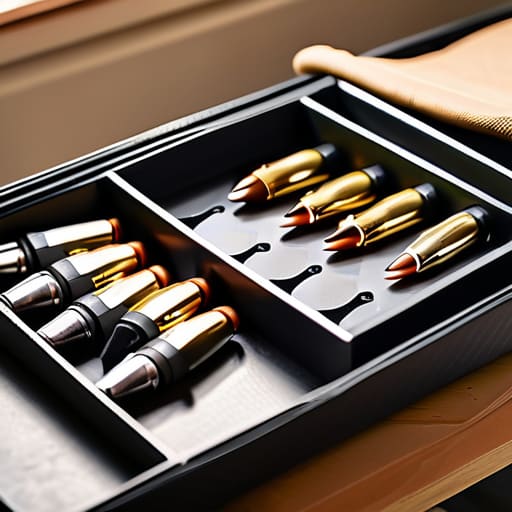
Now, let’s talk about the brass. I’ve seen plenty of folks get halfway through security only to realize they’ve made a mess of their ammo. The most important thing to remember is that your ammunition cannot be in the same container as your firearm. Period. Even if you have the most expensive hard shell gun case security money can buy, if that lead is sitting in the same compartment as the steel, you’re going to have a very long conversation with a federal agent. Keep your boxes of rounds in a separate, clearly labeled bag or container.
When you’re organizing that ammo, don’t just throw loose rounds into a plastic baggie. It’s a headache waiting to happen. I prefer keeping everything in the original manufacturer’s packaging whenever possible. It keeps the counts accurate and prevents damage. Following these firearm ammunition packing rules keeps things professional and, more importantly, keeps the process moving. If you keep your ammo separate and your containers organized, you’ll find that the transition through the terminal is a lot smoother than if you try to cut corners.
Five Things I’ve Seen Go Wrong at the Check-in Counter
- Use a hard-sided case, not a soft bag. I’ve seen enough zipper failures to know that a soft case is just a suggestion to a baggage handler, and a suggestion isn’t enough when you’re trusting someone else with your gear.
- Do a physical chamber check right there in the terminal before you hand it over. I don’t care if you just did it in the car; verify that empty chamber one more time while you’re standing in line so you can sleep easy on the plane.
- Keep your documentation and your receipt in a separate folder from your gear. If a TSA agent needs to see your ID or your permit, you don’t want to be digging through a pile of cleaning patches and CLP to find it.
- Don’t pack your magazines inside the firearm itself. Even if they’re empty, it’s better practice to keep them in a separate compartment or a different part of the case to ensure there’s no confusion about the state of the weapon.
- Lock your case, but use a TSA-approved lock. There is no point in having a high-security padlock if the agent has to cut through the entire case just to inspect it; just make it easy for them to do their job so they can move on.
The Bottom Line Before You Head to the Airport
Verify your firearm is completely unloaded and clear of all ammunition before it ever touches the case; I’ve seen too many people rush this part only to find a round in the chamber when they’re under stress at the TSA checkpoint.
Keep your ammunition and your firearms in separate, dedicated containers to satisfy the regs and keep things organized.
Double-check your specific airline’s rules and your paperwork before you leave the house, because “I didn’t know” doesn’t hold any weight once you’re standing at the gate.
The Final Check Before You Leave
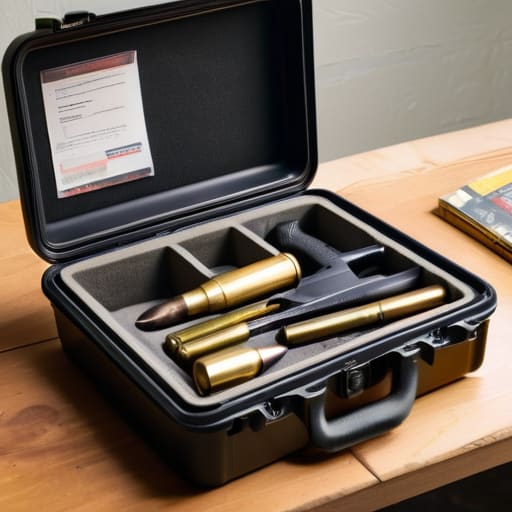
At the end of the day, packing for a flight isn’t about memorizing a list of rules; it’s about building a repeatable process. You’ve verified the firearm is clear, you’ve separated your ammunition into its own dedicated container, and you’ve double-checked that your case locks are actually engaged. It’s the small, tedious stuff—like making sure your paperwork is tucked in a spot where you can grab it without digging through a mess—that keeps you out of a TSA briefing room. If you treat these steps with the same discipline you use on the firing line, the transition from your workshop to the airport becomes just another procedure rather than a source of anxiety.
I’ve spent twenty years watching people rush through their pre-flight prep, and I’ve seen how easily a moment of haste can turn into a long, uncomfortable conversation with an official. Don’t let your gear be the reason your trip gets derailed. Take an extra minute to verify your work one last time before you close that lid. This sport is built on habits, and the habit of being prepared is what separates a seasoned shooter from someone just playing at it. Get the unglamorous parts right, and you can focus on what actually matters: getting to the range and enjoying the shoot.
Frequently Asked Questions
If I'm traveling with a disassembled rifle, do I still need to keep the parts in the same hard case?
Look, I’ve seen folks try to get clever by breaking a rifle down into bits and stuffing them into different bags to save space. Don’t do that. Even if it’s disassembled, the law sees those parts as a firearm. Keep the whole assembly—bolts, handguards, whatever—inside one single, locked hard case. It keeps things organized, protects your gear, and most importantly, keeps you from having a very long, very uncomfortable conversation with TSA.
Can I pack my cleaning kit and oil in the same bag as the firearm, or does that cause issues at the checkpoint?
You can pack your cleaning supplies and oil with your firearm, but don’t just throw them in a heap. Keep your oil and solvents in a separate, leak-proof container or a heavy-duty Ziploc bag. If that oil leaks onto your case or, heaven forbid, your paperwork, you’re going to have a very long, very unpleasant conversation with an agent. Keep the kit organized, keep it sealed, and keep it separate from your gear.
What happens if the TSA agent wants to open my case—do I need to have the locks accessible or can I use those heavy-duty zip ties?
Look, I’ve seen plenty of folks get frustrated when an agent needs to see what’s inside, but don’t make it harder than it has to be. Skip the heavy-duty zip ties. If they can’t get in quickly, they’re just going to cut them, and then you’re left with a mess. Use TSA-approved locks or a decent padlock. It keeps the case secure, but it stays accessible. Let them do their job so you can get on yours.




