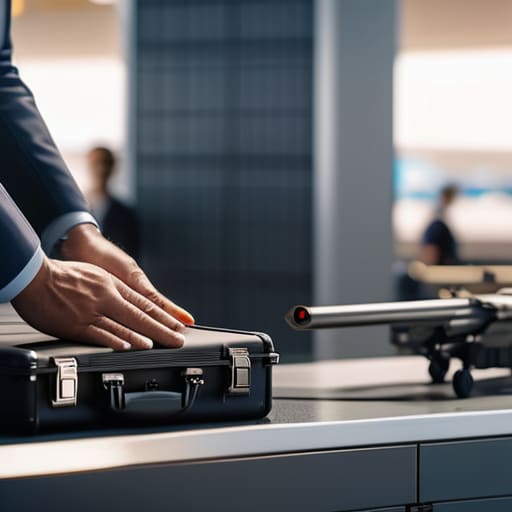
I once watched a guy at the club spend forty minutes lecturing a new shooter on the philosophy of trigger reset, only to see that same guy nearly get detained at an airport because he thought he could “just slip” a cleaning kit into his carry-on. Most people make this way too complicated by chasing expensive, high-tech travel cases or listening to some influencer’s half-baked advice on forums. If you’re trying to figure out how to fly with a firearm legally, you don’t need a magic solution or a specialized consultant; you just need to respect the process and do the boring legwork before you ever pull into the terminal.
I’m not here to sell you on some fancy gear or give you a lecture on why you shouldn’t own a piece. What I am going to do is walk you through the actual, unglamorous steps of the paperwork, the packing, and the TSA protocols that keep you out of a holding cell. We’re going to focus on the checks nobody watches you do—the kind of preparation that ensures your trip is about the destination, not a legal headache.
Mastering the Firearm Declaration Process at Airport

When you finally get to the check-in counter, the real work begins. This isn’t the time to be casual or try to breeze past the agent. You need to be clear and direct about the firearm declaration process at airport staff expect. Don’t try to hide a piece in your carry-on; that’s a fast track to a permanent ban and a very long conversation with law enforcement. Present your paperwork, state clearly that you are checking a firearm, and follow their lead. I’ve seen plenty of folks get flustered here, but if you stay calm and procedural, the agents will usually work with you.
Once your gear is handed over, it moves to a secure area for the TSA firearm inspection procedures. This is where people often trip up on the small stuff. Remember, your gun must be completely unloaded, and your ammunition needs to be in its own separate, hard-sided container. I always tell my students to treat this like a mechanical checklist: verify the chamber is empty, check the mag is out, and ensure the case locks tight. If you’ve done the prep work at home, the inspection is just another routine step in a long day of travel.
Secure Firearm Case Requirements You Cant Ignore
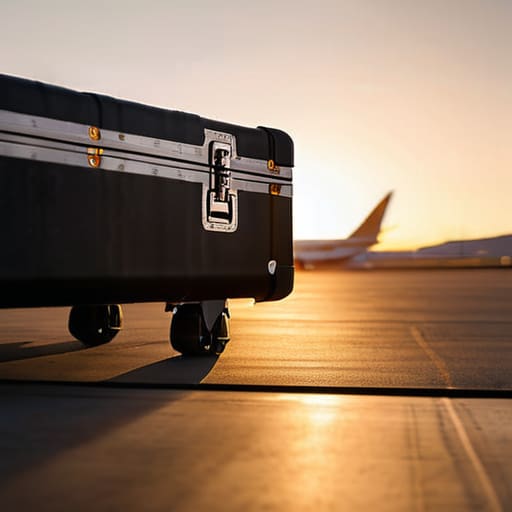
Now, let’s talk about the box you’re putting everything in. I’ve seen folks try to squeeze a piece into a soft duffel or a flimsy plastic bin, thinking it’ll save space. That’s a mistake. You need a hard-sided, lockable case that can take a beating. When your gear hits the conveyor belt in the belly of a jet, it isn’t being handled with kid gloves; it’s being tossed around with suitcases and heavy equipment. If your case doesn’t have a sturdy, integrated locking mechanism, you’re asking for trouble. I always tell my students: if you wouldn’t trust a stranger to toss it around a gravel driveway, don’t trust a baggage handler with it.
Beyond just the strength of the shell, you have to respect the unloaded handgun storage requirements regarding how things are packed inside. Don’t just throw your mags in the same compartment as the slide. Keep your ammunition in its original, factory-sealed packaging if you can, or at least in a separate, dedicated container within the case. This isn’t just about being organized; it’s about ensuring you meet airline firearm policy compliance from the moment they crack that lid. If the agent sees a mess of loose rounds and a semi-auto sitting in the same tray, they’re going to start asking questions you don’t want to answer.
The Pre-Flight Checklist: Five Things to Do Before You Leave the House
- Call the airline a day early. Don’t just assume their website is up to date; call them and ask exactly how they want your gear declared. Every carrier has a slightly different way they want to handle the paperwork, and it’s better to find that out on your couch than at a TSA checkpoint.
- Separate your ammo from your firearms. I’ve seen people try to pack everything in one big case to save space, but that’s a mistake. Keep your ammunition in its original, unopened packaging if you can, and make sure it’s in a completely different bag or compartment from the guns themselves.
- Double-check your state and destination laws. It’s one thing to follow federal rules, but it’s another thing entirely to land in a state where the specific caliber or type of firearm you’re carrying is a headache you don’t want. Know what’s legal at both ends of your trip before you even pack the case.
- Take photos of your gear and serial numbers. Before you zip that hard case shut, snap a few clear pictures of the firearms, the ammo, and the serial numbers. If a bag goes missing or gets mishandled in transit, having that digital trail makes the recovery process a lot less of a nightmare.
- Clear the chamber and do a physical inspection one last time. I’ve watched plenty of folks get rushed and forget the basics. Before that case is locked, verify the firearm is completely unloaded, the magazine is out, and there isn’t a single round sitting in the chamber. Once it’s in the case, it stays that way.
The Three Rules for a Smooth Transit
Check your airline’s specific rules and the TSA website before you pack a single case; every carrier has its own way of doing things, and guessing is how you end up in a conversation you don’t want to have.
Make sure your firearms are unloaded and stored in a locked, hard-sided case that meets all requirements, because a flimsy bag isn’t going to cut it when it’s being tossed around in the belly of a plane.
Arrive at the airport early enough to handle the declaration process calmly; rushing through the paperwork is when the small mistakes happen, and mistakes are what lead to trouble.
The Final Check Before You Head Out
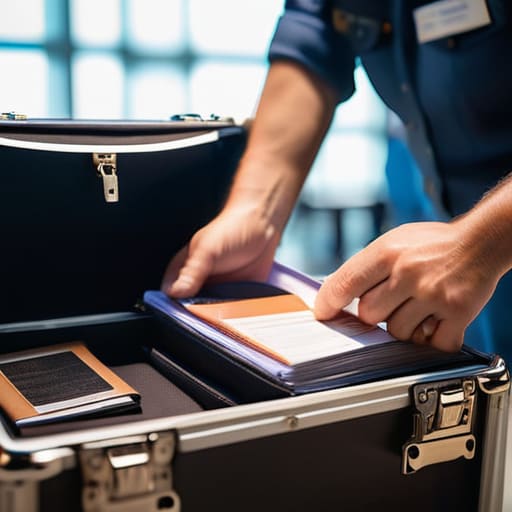
At the end of the day, flying with a piece comes down to the same things I tell my students on the Saturday morning line: preparation and procedure. You’ve got to have your case locked down and compliant, your paperwork organized before you even pull into the terminal, and you have to be ready to walk up to that TSA agent with a clear, calm explanation of what you’re carrying. It isn’t about being flashy; it’s about the boring, repetitive checks that ensure you aren’t the person causing a scene in the security line. If you follow the rules for your case, double-check your airline’s specific gear protocols, and handle the declaration process with patience, you’ve already won half the battle.
I’ve spent twenty years watching people make mistakes because they thought they could skip a step or “wing it” when things got complicated. In this sport, and especially when traveling, safety is a habit, not a one-time event. Taking the extra twenty minutes to verify your gear and your legal requirements isn’t a waste of time; it’s the mark of a responsible shooter. Do the unglamorous work upfront, respect the process, and you’ll find that the actual trip is a whole lot smoother. Get the fundamentals right, and the rest usually takes care of itself.
Frequently Asked Questions
What happens if a TSA agent decides to open my case and finds something they don't like?
If an agent opens your case and finds something that doesn’t meet the rules—maybe a prohibited accessory or a loaded magazine—the situation shifts from a routine check to a legal headache. They’ll likely pull you aside, and it could end in a fine or even local law enforcement involvement. My advice? Treat every inspection like a formal audit. Keep your gear strictly within the declared limits so there’s nothing for them to “not like.”
If I'm traveling through multiple airports or connecting flights, do I have to re-declare everything every single time?
Yes, you do. Every time you transfer from one plane to another, you’re essentially starting a new leg of the journey. If you’re checking your gear, it’s going to be pulled from the belt and re-processed at each connection point. Don’t assume the first agent’s paperwork carries you through the whole trip. Treat every transfer like it’s your first time at the airport. Check the case, check the tags, and stay on top of it.
Can I keep my ammunition in the same hard case as the firearm, or do they need to be completely separated?
You can keep your ammo in the same hard case, provided it’s in a separate, secure container inside that case. Don’t just toss loose rounds in with the rifle. Use a dedicated ammo can or a locked pouch. I’ve seen folks try to save space by bundling them together, but that’s a headache waiting to happen at the checkpoint. Keep the brass contained, keep it organized, and keep it separate from the steel.




