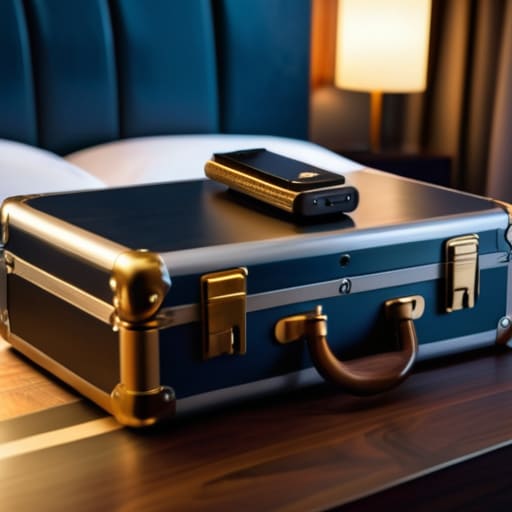
I watched a guy last summer spend four hundred dollars on a tactical, hard-shell case with biometric locks and a built-in GPS tracker, only to realize he’d forgotten the one thing that actually matters: a way to keep the damn thing from sliding around the trunk like a loose brick. People get so caught up in buying the most expensive gear that they completely ignore the fundamentals of how to secure firearms when travelling. They think a fancy lock is a substitute for a solid routine, but a high-tech case won’t save you from a preventable mistake or a legal headache if your setup is disorganized and sloppy.
I’m not here to sell you on the latest gadget or some over-engineered piece of plastic. I want to talk about the unglamorous, repetitive habits that actually keep your gear—and your reputation—intact from the moment you leave your driveway to the second you arrive. I’m going to walk you through the practical, boring steps of securing your pieces, from proper case selection to the mental checklist you need to run every single time you close that trunk lid.
Navigating the Maze of Legal Requirements for Transporting Firearms
Now, I’m not a lawyer, and I’m not going to pretend I am. But I have seen enough people get into a mess because they assumed a rule in their home county applied three hundred miles down the road. The reality is that firearm transport laws by state are a moving target, and they don’t care if you’re an experienced instructor or a first-timer. You can’t just rely on “common sense” when you cross a state line; you have to rely on the specific, written requirements for how that piece is stored and whether it’s considered accessible or unloaded.
Before you even put the key in the ignition, you need to do your homework. I tell my students to treat the legal side of a trip like a pre-flight checklist: it’s boring, it’s tedious, but it’s the only thing standing between a smooth trip and a very bad conversation with a highway patrol officer. Make it a habit to verify the legal requirements for transporting firearms in every jurisdiction you plan to pass through. It’s much easier to pack an extra case or a specific lock now than it is to explain a mistake to someone in a uniform later.
Safe Ways to Carry Weapons in Vehicles Without Incident
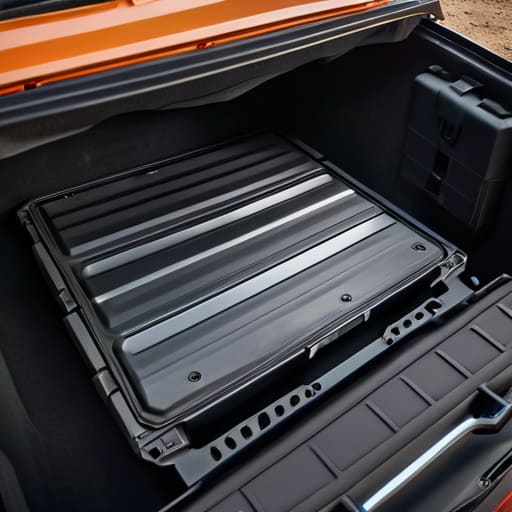
Once you’ve cleared the legal hurdles, you have to deal with the physical reality of the car. I’ve seen too many folks treat their vehicle like a mobile locker, just tossing a case onto the passenger seat or leaving a bag in the open back area. That’s a mistake. If you’re looking for safe ways to carry weapons in vehicles, you need to think about two things: visibility and accessibility. If a passerby or a law enforcement officer can see the outline of a case through the window, you’re inviting unnecessary scrutiny. I always tell my students to keep everything out of plain sight, ideally in a locked hard case tucked into the trunk or secured in a bolted-down vehicle safe.
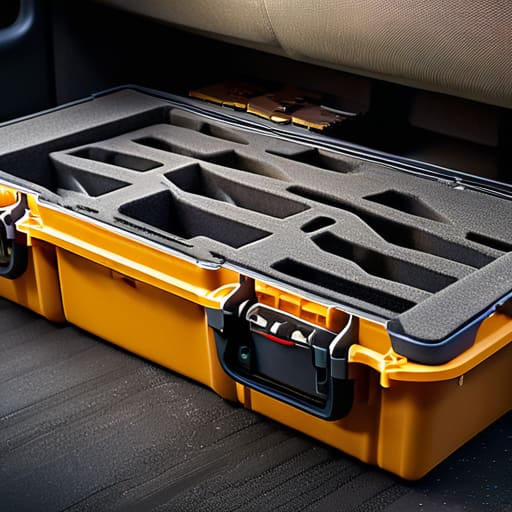
It isn’t just about theft, though; it’s about stability. A heavy case sliding around a backseat during a hard brake is a recipe for a broken latch or a loose component. Use dedicated tie-down straps or heavy-duty foam inserts to ensure nothing shifts while you’re on the move. If you’re driving long distances, I prefer using a small, portable steel lockbox that stays anchored to the floorboard. It might feel like extra work, but the goal is to make the transport so routine and secure that you aren’t even thinking about it once you hit the highway.
The Boring Details That Keep You Out of Trouble
- Stop relying on that flimsy little plastic case that comes in the box. If you’re moving gear a long distance, get a hard-shell case with a decent latch. I’ve seen too many people pull up to a destination only to find their case has popped open in the backseat because they hit a pothole.
- Unload the firearm before it ever touches the case. I don’t care if you think it’s empty; check it, clear it, and then check it again. A loaded gun in a travel case is just a liability waiting for a mistake.
- Keep your ammunition in a separate container from your firearms. It’s a simple rule, but it’s one of those fundamental habits. If you have to reach into a bag for a magazine, you shouldn’t be reaching into the same space where your barrel is sitting.
- Secure your gear so it doesn’t become a projectile. If you’re driving through a sudden stop or a minor fender bender, a heavy rifle case sliding around the floorboard is a mess you don’t want. Use tie-downs or cargo nets to keep everything exactly where you put it.
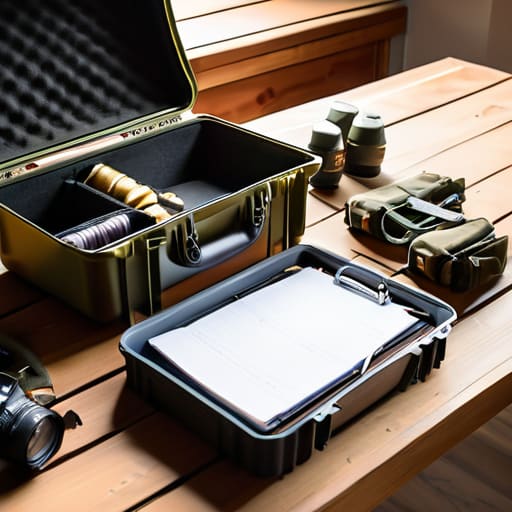
- Organize your paperwork and your cleaning kit in one dedicated spot. When you’re traveling, you’re often working in new environments. Having your documentation and your basic maintenance tools ready to go means you aren’t digging through a cluttered trunk when you should be focused on the task at hand.
The Three Non-Negotiables
Don’t rely on a single lock or a flimsy case; real security is about layering your habits, like using a hard case inside a locked vehicle compartment, so you aren’t banking your safety on one piece of plastic.
Treat your transport gear like your tools in the shop—everything needs a designated, secure spot that isn’t within easy reach of a passenger or a quick grab from a window.
Verify your gear is unloaded and the chamber is clear every single time you pack up, because the most dangerous mistake is assuming the gun is empty just because you remember clearing it ten minutes ago.
The Long Road Home
At the end of the day, getting your gear from point A to point B isn’t about finding the flashiest new case or the most expensive lock; it’s about the discipline of the routine. We’ve talked about checking your local statutes so you don’t end up in a situation you can’t shoot your way out of, and we’ve covered why tossing a loose handgun in the center console is a recipe for disaster. It comes down to the basics: keep them unloaded, keep them separate from your ammunition, and keep them properly secured in a way that doesn’t rely on luck. If you follow those steps every single time, you aren’t just following a checklist—you’re building a layer of protection around yourself and everyone else on the road.
I’ve spent twenty years on the range watching people master their trigger squeeze and their sight alignment, but I’ve also seen how quickly a good shooter can lose their reputation because they got lazy with their gear. Don’t let a moment of convenience turn into a lifetime of regret. Real mastery in this sport isn’t just about what happens when you’re on the firing line; it’s about the quiet integrity you show when no one is watching you pack your kit. Do the boring work, stick to the habits, and let the shooting be the part you actually enjoy.
Frequently Asked Questions
If I'm using a hard case for transit, does the locking mechanism actually matter if I'm passing through a security checkpoint?
Look, if you’re hitting a checkpoint, that lock isn’t there to keep the law out; it’s there to show you’ve got a system. A flimsy latch tells a security officer you just threw your gear in a box. Use a decent padlock or a heavy-duty combination lock. It signals that the contents are secured and accounted for. It’s about the habit of closure—making sure that when they open it, they see exactly what you intended.
What’s the best way to organize my cleaning kit and spare parts so they don't become a projectile in a sudden stop?
Don’t just throw a loose bag of CLP and random springs into a plastic bin. If you hit a curb or a sudden stop, that bin becomes a collection of heavy, flying projectiles. I use a dedicated, hard-sided tool case with foam inserts—the kind you’d use for precision machining. Everything has a specific slot. If it’s not seated in the foam, it shouldn’t be in the vehicle. Secure the case, then secure the case.
How do I handle the transition from a secured vehicle to a hotel or temporary lodging without breaking my safety chain?
The transition from the car to the room is where the chain usually breaks. Most folks get comfortable once they’re out of the driver’s seat, and that’s when mistakes happen. Don’t just walk into a lobby with a soft case slung over your shoulder. Treat that gear like it’s still in the vehicle: keep it locked, keep it out of sight, and keep your eyes on your surroundings. The job isn’t done until the gear is secured in the room.




