
I remember a guy back in ’04—good man, steady hands, but he kept his gear in a truck that sat unlocked in a crowded parking lot. When he realized his old Remington was gone, he didn’t panic; he just sat there in the driver’s seat, staring at the empty floorboard with a look that I’ve seen too many times on the range. Most people think that once the metal is gone, the damage is done and there’s nothing left to do but mourn the loss. They get caught up in the “what ifs” instead of the “what nows,” and they fumble the most critical part: knowing exactly how to report a stolen firearm before that piece ends up in the wrong hands.
I’m not here to give you a legal lecture or some polished, textbook response that doesn’t work in the real world. I’m going to walk you through the unvarnished truth of the paperwork, the phone calls, and the specific steps you need to take to protect yourself legally. We’re going to skip the fluff and focus on the procedural reality of getting that report filed correctly the first time. Get the sequence right, and you’ve done your part to keep the sport clean.
The Paperwork Trail Essential Firearm Theft Documentation
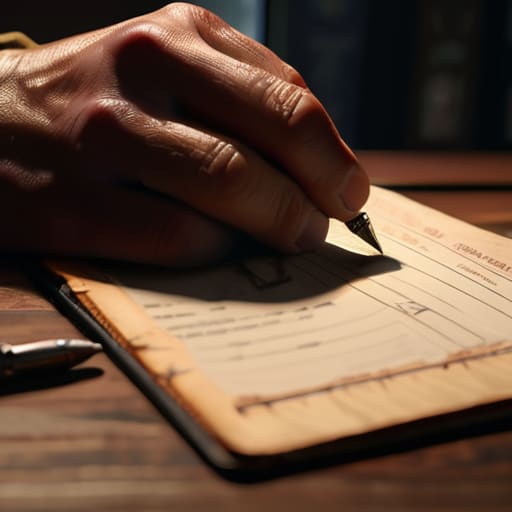
Now, this is the part nobody likes, but it’s where you win or lose the battle. When you realize something is missing, your brain is going to want to go into overdrive, but I need you to slow down and find your records. You can’t just tell a deputy, “Yeah, my rifle is gone.” You need to provide a specific police report for stolen firearm that includes the hard facts. Before you even pick up the phone, grab your logbook or whatever digital file you keep. You’re looking for the make, model, caliber, and most importantly, that unique serial number. Without that number, you aren’t really reporting a specific weapon; you’re just reporting a vague loss.
Once you have the details in front of you, the firearm theft documentation becomes your best friend for the long haul. This isn’t just about the immediate theft; it’s about establishing a paper trail that proves you weren’t the one mishandling it. If that piece turns up later in a different context, having a timestamped report is the only way to clear your name. Keep a copy of every single document you receive from the department—don’t just take their word that they’ve “logged it.” You need that physical or digital proof in your hand.
Reporting Stolen Weapons to Law Enforcement Without Hesitation
When you realize your gear is gone, your adrenaline is going to spike, and your first instinct might be to hesitate. Maybe you’re worried about the questions they’ll ask, or maybe you’re just in shock. Shake that off. You need to start reporting stolen weapons to law enforcement immediately. Don’t wait until tomorrow thinking you’ll find it in the garage or under a seat. Every hour that passes is an hour someone else has to move that piece across state lines or into the wrong hands.
When you walk into that station, don’t go in empty-handed. You need to present a clear, concise police report for stolen firearm that includes every bit of detail you have. I always tell my students: if you didn’t write down the serial number before it went missing, you’re making the job twice as hard for the detectives. Hand them the documentation you prepared, give them the specifics, and let them do their job. It’s not about being interrogated; it’s about getting your information into the system so that if that rifle turns up in a raid or a crime scene, there is a paper trail leading straight back to the theft.
Five Things You Need to Do Before You Hang Up the Phone
- Get your serial number out of your head and onto paper. I’ve seen people freeze up when the officer asks for it, trying to remember if it ended in a 4 or a 9. If you don’t have that number written down in a logbook or a digital file, you’re making the job twice as hard for the guys in uniform.
- Don’t try to play detective. It’s tempting to start retracing your steps or thinking you saw a suspicious vehicle near your truck, but unless you saw the actual theft happen, stick to the facts of what is missing. Let the professionals handle the investigation; your job is just to provide the data.
- Note the exact “last seen” time. There’s a big difference between a gun that went missing at 2:00 PM and one that’s been gone since Tuesday. Knowing that window helps the department check local CCTV or security footage from businesses in the area.
- Contact your insurance carrier immediately after the police report is filed. You’ll need that case number they give you. Whether it’s a rider on your homeowners’ policy or a specific firearms insurer, they aren’t going to move a finger until you have a formal report number in hand.
- Update your digital footprint. If you’ve been bragging about your collection on social media or posting photos of your new acquisition, go back and scrub those posts. You don’t want to provide a roadmap of your gear to the very people who might be looking to move it.
The Bottom Line
Don’t wait to see if it turns up; the second you know it’s gone, call the cops and get that report filed so you’ve got a paper trail protecting you.
Keep a written log of your serial numbers and any identifying marks in a place that isn’t your gun safe, because you can’t report what you can’t prove.
Contact your insurance provider immediately after the police report is filed—missing out on that window is a mistake you won’t be able to fix later.
The Long Tail of a Bad Day

At the end of the day, dealing with a theft is a messy, frustrating process that feels like a total waste of time. You’ve got to get your serial numbers ready, document every detail of the loss, and make that call to the police without waiting a single minute to “think about it.” It’s about creating a paper trail that sticks. If you miss a step or hesitate to report it, you’re essentially leaving a door open for that piece to end up in the wrong hands without any accountability. Remember, speed is your best friend when it comes to the paperwork, and accurate documentation is the only thing that makes you more than just a victim in a database.
I’ve seen a lot of folks walk off the range with a heavy heart after losing gear, and it’s never easy. But you have to remember that your responsibility to the sport and the community doesn’t end just because your safe was breached. By reporting it properly, you are doing the unglamorous work required to keep this hobby safe for everyone else. It’s not about the hardware you lost; it’s about the standard you uphold even when things go sideways. Keep your head up, get the report filed, and focus on rebuilding your kit the right way. That is how we keep the sport respectable.
Frequently Asked Questions
Do I need to have my serial numbers written down before I call the police, or can I find them later?
Look, I’ll be straight with you: if you don’t have those numbers written down, you’re already behind. You call the police the second you realize it’s gone. Don’t wait until you’re digging through old notebooks or scouring your email to find a serial number. Tell them what happened first, then tell them what was taken. If you have the numbers ready, the report is solid. If not, you’re just making more work for everyone.
If I report it stolen and then find it in my garage a week later, am I in any kind of trouble with the law?
Look, I’ve seen it happen. You misplace a case, panic, and call it in. If you find it in the garage a week later, don’t just shrug and go back to cleaning your other gear. You need to call the department back immediately. Tell them exactly what happened: “I found the firearm; it wasn’t stolen, just misplaced.” You want that report cleared so there’s no confusion if a patrol officer happens to see you with it later.
Does reporting a stolen gun to the local sheriff actually do anything to help get it back, or is it just for the insurance paperwork?
Look, I get the skepticism. You feel like you’re just adding a line to a ledger that nobody reads. But here’s the reality: that report is how a gun becomes “hot.” If a deputy pulls someone over and runs a serial number that matches your report, that’s when the recovery happens. Without that paper trail, that firearm is just another untraceable tool in a thief’s kit. Do it for the recovery, and do it for the insurance.




