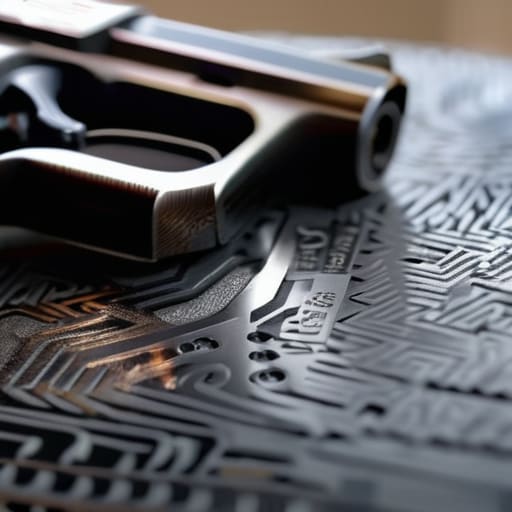
I’ve seen folks spend hundreds of dollars on professional photography services or fancy software just because some internet forum told them it was the only way to protect their collection. Let me tell you something: an insurance adjuster doesn’t care about lighting setups or high-resolution artistic portraits. They care about proof. Most people overcomplicate the process of learning how to photograph firearms for insurance, turning a simple task into a headache, when all you really need is a clear view of what you actually own. If you can take a decent picture of a target at fifty yards, you can do this.
I’m not here to give you a lecture on photography theory or sell you a tripod you don’t need. I’m going to show you the unglamorous reality of how to document your gear so that if the worst happens, you aren’t left fighting a company that only wants to pay you pennies on the dollar. We’re going to focus on the specific angles, the serial numbers, and the paperwork of protection that actually holds up when it matters most. Get these habits down now, and you won’t have to worry about it later.
Proving Ownership for Insurance Claims With Clear Evidence
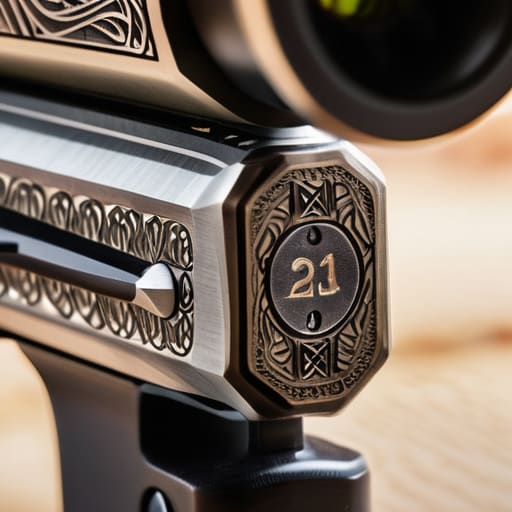
When you’re sitting across from an adjuster after a theft or a house fire, they aren’t going to take your word that you owned a customized bolt action or a specific set of optics. They want hard data. This is where most people fail; they take one blurry photo of the whole gun and call it a day. You need to be methodical. I always tell my students that proving ownership for insurance claims comes down to the details that prove the item was actually yours. That means getting close—I’m talking macro photography for gun markings—to ensure the manufacturer’s stamp and the unique identifier are crystal clear.
Don’t just stop at the receiver. If you’ve spent years adding high-end glass, a custom trigger job, or a specific sling, those are part of the value. You need to be documenting firearm condition and accessories as a single unit. Take a shot of the scope mounted on the rail, then a separate shot of the scope alone. If you can’t read the serial number in the photo, the photo is useless. Get the light right, steady your hands, and make sure that number is legible.
Documenting Firearm Condition and Accessories for Full Value
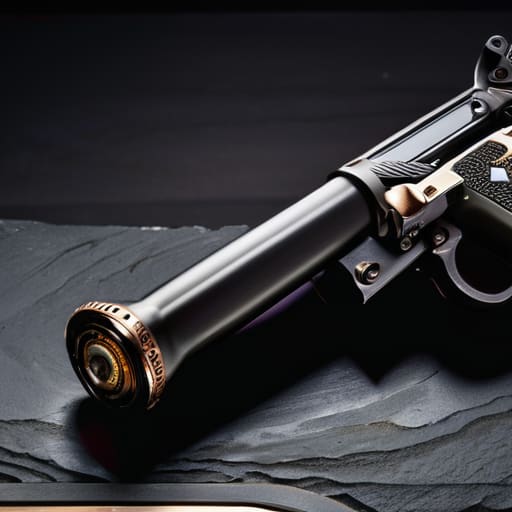
Now, don’t just snap a picture of the whole gun and call it a day. If you’ve got a custom trigger job, a high-end optic, or a specialized suppressor, those are the things an adjuster is going to try to gloss over during a claim. You need to be doing some serious documenting of firearm condition and accessories to ensure you aren’t being underpaid. I always tell people to treat it like a shop inspection: photograph the scope mounts, the specific aftermarket grips, and even the case it sits in. If it came with a custom sling or a particular set of cleaning tools, get them in the frame.
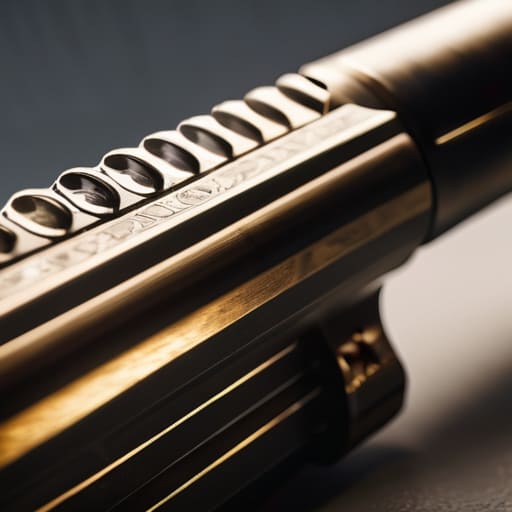
When it comes to the fine details, you’ll want to practice some macro photography for gun markings. It isn’t enough to show the gun exists; you have to prove the quality. Get close—real close—to the engravings and the finish. If you have a piece with a unique patina or a specific machining pattern from a custom build, that’s part of its value. A clear, tight shot of those details prevents an insurance company from claiming you had a standard factory model when you actually had something much more specialized.
Five Ways to Make Sure Your Photos Actually Mean Something
- Don’t just snap a picture of the whole gun and call it a day; you need a dedicated shot of every single serial number, stamped clearly and without a glare, because that’s the only way an adjuster can verify exactly what you’re claiming to own.
- Get close enough to show the wear and tear, the specific grips, or even the scratches on a custom stock; if you’ve spent money on aftermarket parts, those photos are the only thing standing between you and a payout for a base-model replacement.
- Use a neutral, plain background like a workbench or a clean cloth rather than a cluttered garage floor; if the background is a mess, the insurance company might claim they can’t clearly see the item you’re trying to document.
- Take a shot of the paperwork alongside the piece—receipts, certificates of authenticity, or even the original box—to bridge the gap between “I own this” and “I can prove I bought this.”
- Keep a digital backup that isn’t just sitting on the same phone you might lose in a house fire; upload these files to a secure cloud or a thumb drive in a fireproof safe so the proof survives even if the gear doesn’t.
The Bottom Line on Protecting Your Investment
Don’t just snap a photo of the side of the gun; you need the serial number, the maker’s mark, and the overall condition in one clear shot so there’s no room for an adjuster to argue about what you actually owned.
If you spent three hundred dollars on a high-end optic or a custom trigger job, document those parts separately, because an insurance company isn’t going to pay you for the upgrades if they only see a standard factory model in your photos.
Treat your documentation like a range inspection—do it thoroughly, do it right, and do it before something happens, because once the gear is gone, the time for proving you had it has already passed.
The Work You Do When No One Is Watching
At the end of the day, this isn’t about being a bureaucrat or a collector obsessed with paperwork; it’s about the same discipline we use on the firing line. You’ve spent the time getting the right lighting, capturing the serial numbers, and documenting those specific accessories that make your gear yours. By organizing these photos into a secure, digital folder and keeping a hard copy somewhere safe, you are building a defensive perimeter around your investment. It’s an unglamorous task, much like cleaning carbon out of a bolt carrier group, but it is the only way to ensure that if the worst happens, you aren’t left fighting an uphill battle with an adjuster who has never held a rifle in their life.
I’ve seen plenty of folks treat safety and documentation as things they can “get to later,” but in this sport, later is usually too late. We practice our fundamentals until they become second nature so that when the pressure is on, we don’t fail. Treat your documentation with that same level of respect. If you take care of the boring details now, you won’t have to worry about them when you’re actually trying to enjoy the range. Get the paperwork right, keep your gear protected, and then go out there and shoot.
Frequently Asked Questions
Do I need to take photos of the internal components or just the outside of the firearm?
Look, I’m not telling you to strip your rifle down to the pins for a photo album. That’s a waste of time. Focus on the outside—the serial numbers, the markings, and any specific wear or custom work. However, if you’ve spent a fortune on a match-grade trigger or a custom barrel, take a quick shot of those components separately. If the gun gets lost, the insurance company needs to see what was actually inside it.
If I have a collection of older, restored rifles, should I photograph the specific parts I've replaced or just the whole gun?
If you’ve spent time restoring an old bolt action, you know the value isn’t just in the steel, but in the work you put into it. Don’t just snap a picture of the whole rifle. Take close-ups of those new parts—the specific extractor you machined or the stock you refinished. If a claim ever comes up, an adjuster needs to see the difference between a factory original and a custom restoration to pay you what it’s actually worth.
Is a single photo of the serial number enough, or do I need to show the gun in its entirety to satisfy an insurance adjuster?
A single shot of a serial number is a start, but it’s not a finish. If you only show the number, an adjuster might argue you’re claiming a different, cheaper firearm. You need to show the whole piece—the stock, the action, the specific wear patterns. Take a shot of the entire gun, then a close-up of the serial, then the accessories. You want to leave them zero room to doubt what you actually owned.




