I remember sitting in my workshop about ten years ago, staring at a spilled tin of small rifle primers scattered across a concrete floor like brass confetti. The panic wasn’t because I thought they’d blow the building sky-high, but because I realized I had been treating these little components like they were nothing more than scrap metal. I’d been tossing them into old tackle boxes and leaving them on the workbench next to a hot soldering iron, completely ignoring the fundamentals of how to store primers safely. It wasn’t a cinematic explosion that taught me the lesson, but a sharp, stinging realization that my lack of discipline was a gamble I didn’t need to take.
I’m not here to sell you some high-tech, airtight titanium vault or a specialized climate-controlled cabinet that costs more than your first rifle. What I want to do is walk you through the unglamorous, practical reality of keeping your components stable and your workspace organized. We’re going to talk about the boring, repetitive habits—temperature, moisture, and physical protection—that actually matter when you’re reloading. If you get these basics right, you won’t have to worry about your components failing you when you’re finally downrange.
Mastering Primer Temperature Control in Your Workshop
I’ve seen guys keep their reloading bench in a garage that swings from freezing in January to a hundred degrees in July. That’s a mistake. You aren’t just managing space; you’re managing chemistry. When you talk about primer temperature control, you’re really talking about stability. Extreme heat can cook the sensitive priming compound, leading to inconsistent ignition or, in worst-case scenarios, a primer that becomes far too sensitive to a simple seating press.
If your workshop feels like a sauna, your components are suffering. I always tell my students that humidity and primer degradation go hand in hand. High moisture levels can seep into the packaging, causing the chemical compounds to swell or degrade over time. I keep my small components in a climate-controlled room—nothing fancy, just somewhere the air doesn’t feel heavy. If you treat your reloading components like they’re fragile, they’ll perform like they are. It’s a small habit, but it’s the difference between a clean ignition and a frustrating day at the bench.
Humidity and Primer Degradation the Silent Performance Killer
Most folks worry about the heat, but they forget about the damp. I’ve seen too many shooters walk into a reloading session with a box of primers that looks fine to the eye, but they’re fighting inconsistent ignition because of humidity and primer degradation. When moisture gets into those little brass cups, it doesn’t just cause a mess; it can actually seep into the priming compound itself. Once that chemical mix starts absorbing water, you’re looking at light strikes or, worse, unpredictable pressures.
If you’re keeping your components in a basement or a garage that sees seasonal shifts, you aren’t practicing proper reloading component safety. It isn’t enough to just keep them out of the sun. I always tell my students that preventing primer sensitivity loss starts with a dry environment. If your workshop feels muggy, your primers are likely suffering. Grab some airtight plastic bins or a dedicated dry box. It’s an extra step in your routine, but it’s much better than wondering why your handloads aren’t performing the way they should on match day.
Five Ways to Stop Treating Your Primers Like Loose Change
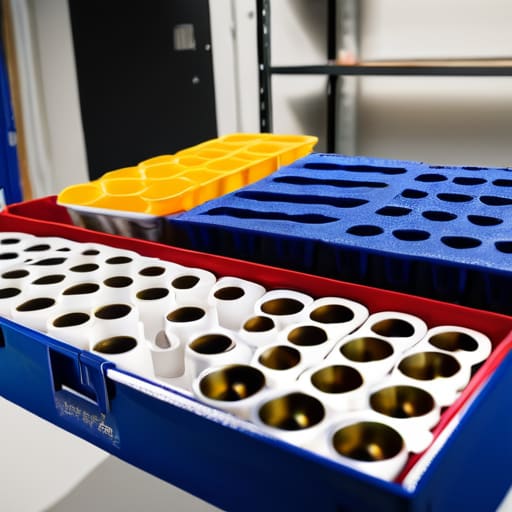
- Keep them in the original packaging as long as possible. Those plastic or cardboard dividers aren’t just there for show; they keep the components from rattling around and bruising the primer cups, which is a quick way to get inconsistent ignition.
- Use a dedicated, hard-sided container. I’ve seen too many folks throw small components into a plastic bin that sits on a workbench. One heavy tool dropped nearby or a clumsy reach into the bin can crush a primer or spark a mess you don’t want to clean up.
- Separate your primers from your powder. This is a rule you don’t break. Even if they are in separate boxes, keep them in separate cabinets or different areas of the shop. You want to make sure a single mishap doesn’t turn a small problem into a total loss.
- Label everything clearly with more than just the brand name. Write down the manufacturer, the lot number, and the specific type. When you’re halfway through a reload session, you don’t want to be guessing if that box is Small Rifle or Small Pistol.
- Watch your stacking habits. Don’t pile heavy reloading manuals or metal toolboxes on top of your component storage. Pressure is the enemy here; you want your primers sitting in a stable, uncompressed environment where they can just sit quiet and wait for you.
The Bottom Line on Primer Storage
Keep your primers in a temperature-stable, dry spot; heat and moisture are the two things that will turn a reliable load into a frustrating mess.
Stop treating primers like loose change; use dedicated, sturdy containers that won’t let them get knocked around or crushed in a drawer.
Consistency is your best friend, so pick a storage routine and stick to it so you never have to guess if your components are still good.
Making It a Habit
At the end of the day, keeping your primers safe isn’t about following a complex manual; it’s about respecting the chemistry you’re working with. You’ve got to keep them away from the heat, shield them from the dampness of a humid garage, and ensure they aren’t just rattling around in a junk drawer where a heavy tool might land on them. It’s about temperature, it’s about moisture, and it’s about organized, intentional storage. If you take those three steps—control the climate, keep it dry, and keep it secure—you’ve already done more than most people I see on the Saturday morning line. You’re treating your components with the same respect you treat your firearms, and that’s how you avoid the kind of headaches that turn a fun reload into a wasted afternoon.
I’ve spent twenty years watching people rush through the unglamorous parts of this hobby, thinking they can skip the prep work and get straight to the shooting. But the truth is, the shooting only stays good if the foundation is solid. When you take the time to do these small, repetitive checks, you aren’t just protecting your primers; you are building a discipline that keeps you and everyone around you safe. Do the boring work right, do it every single time, and the actual range time will be a whole lot more rewarding.
Frequently Asked Questions
Does it actually matter if I keep my primers in the original plastic organizers, or can I move them to a different container?
The original plastic organizers are fine, but don’t let them be your final destination. They’re great for keeping things sorted while you’re at the bench, but they aren’t a long-term storage solution. If you move them, use a dedicated, airtight container. The goal is to prevent any chance of moisture creeping in or the plastic getting crushed. Just make sure whatever you use is sturdy, dry, and clearly labeled.
If I accidentally left a box of primers in a hot truck for a weekend, are they still safe to use or are they compromised?
Look, I’ve seen it happen. You get distracted, the truck stays parked, and suddenly your primers have spent forty-eight hours in an oven. If they haven’t physically changed—no leaking, no weird smells, no crushed cups—they’re likely fine to use. But don’t expect perfection. You might see inconsistent ignition or light strikes. Treat them as “mystery components” now. Use them for practice, not for a precision load you’re counting on.
Is there a real difference in how I should store small pistol primers compared to the larger rifle ones?
Not really, not in the way you might think. Whether it’s a small pistol primer or a large rifle one, the physics of the chemical compound inside stays the same. They both hate heat and they both hate moisture. You don’t need two different storage systems. Just treat them with the same respect. Keep them in the same dry, temperature-controlled spot. One isn’t more “sensitive” than the other; they’re just different sizes.




