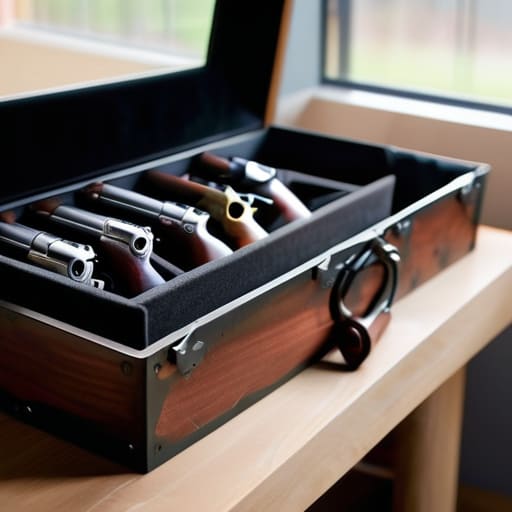
I was working on a 1940s Mauser last summer, just trying to clear out some old cosmoline, when I saw a guy at the club digging through a plastic bin that held everything from brass polish to loose .30-06 rounds. It’s one of those things that seems small until you’re fumbling with a greasy rag and accidentally knock a live round into your cleaning solvent. People think they need a high-tech, climate-controlled vault to be safe, but they miss the point entirely. Most folks don’t need a million-dollar setup; they just need to understand the basics of how to store ammunition separately from the tools and chemicals that make a mess.
I’m not here to sell you on fancy, overpriced storage solutions that promise the moon. I’ve spent twenty years on the range, and I’ve learned that discipline beats gear every single time. In this post, I’m going to walk you through the practical, unglamorous ways to organize your stash so you aren’t creating hazards in your own workshop. We’ll focus on the simple, repeatable habits that ensure your gear stays clean and your workspace stays deadly predictable.
Mastering Firearm and Ammo Separation Rules
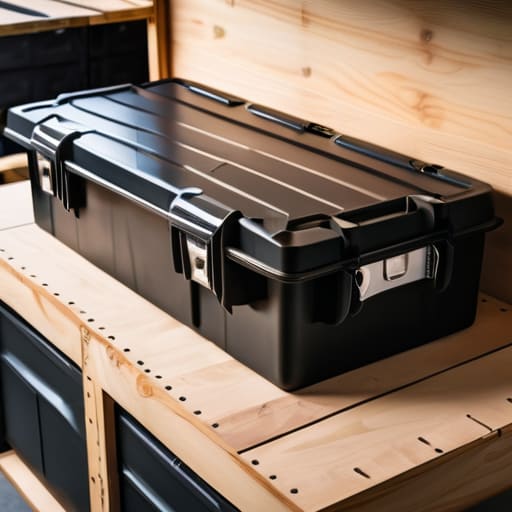
When I’m looking at a setup, I’m not just looking for a tidy shelf; I’m looking for a lack of chaos. Most people think they’re being safe because their gun is in a case, but if they’ve got a box of loose rounds sitting right next to the trigger guard, they’ve already broken the first rule. You need to treat your firearm and ammo separation rules like a physical boundary. I always tell my students that your ammunition should live in its own dedicated space—ideally in safe ammunition storage containers like heavy-duty plastic bins or metal lockboxes—that are kept a reasonable distance from the actual firearms.
It isn’t about being paranoid; it’s about removing the variables. If you’re working on a rifle or cleaning a handgun, you don’t want to be reaching past live rounds to grab a punch or a solvent. That’s how mistakes happen. By following these ammunition organization best practices, you create a mental and physical buffer. You want to ensure that the only way a round makes it into a chamber is through a deliberate, conscious action by you, not because you bumped a container while reaching for a cleaning rag.
Choosing Safe Ammunition Storage Containers
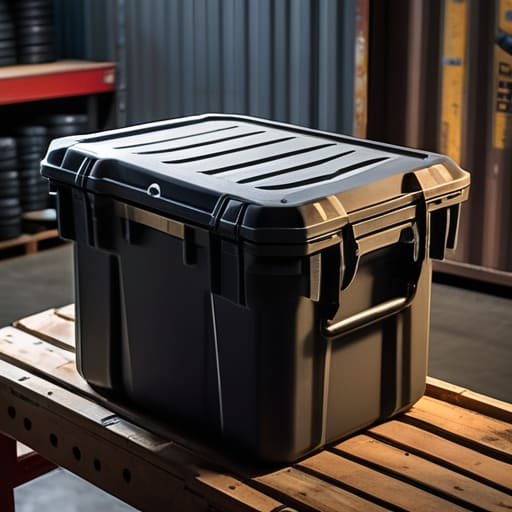
When you’re looking for safe ammunition storage containers, don’t go thinking a fancy-looking plastic bin from the big-box store is going to cut it. I’ve seen too many folks grab a cheap, thin-walled container thinking they’re organized, only to have it crack under the weight or fail to keep the elements out. If you want to do this right, look for something heavy-duty, preferably with a gasket seal. You aren’t just looking for a box; you’re looking for a barrier.
The real goal here is managing the environment inside that box. I always tell my students that humidity control for ammo is just as important as the lock itself. If you trap moisture inside a sealed container, you’re just creating a little greenhouse for corrosion to eat your primers. I like using airtight metal cans with a good rubber seal, and I’ll toss in a few desiccant packets to keep things bone-dry. It’s a small step, but it’s part of those ammunition organization best practices that keep your gear reliable when you actually need it to go bang.
Five Ways to Keep Your Range Bag from Becoming a Hazard
- Keep your live rounds in a dedicated, hard-sided container. I’ve seen too many folks just throw a box of nine mil into a loose pocket in a range bag right next to their cleaning solvents; if that bag tips or gets crushed, you’re asking for trouble.
- Treat your cleaning kits like they’re radioactive. Store your oils, solvents, and patches in a separate bin or a different compartment entirely. You don’t want a leaking bottle of Hoppe’s soaking into your brass or, worse, getting near your primers.
- Separate your “ready” ammo from your “stockpile” ammo. If you’re pulling rounds for a weekend trip, keep that small amount in a specific pouch, but keep the bulk of your supply locked away in a separate, climate-controlled spot. It prevents you from fumbling through a massive pile of heavy boxes when you’re just trying to grab a single magazine.
- Watch your temperature swings. If you’re storing ammo in the same cabinet as your firearms, make sure it isn’t sitting right against a metal wall that gets cold or a heater that gets hot. Extreme shifts can mess with the chemistry of the powder, and I’d rather not see a primer fail because it sat in a damp corner.
- Label your containers clearly. It sounds simple, but when you’re tired after a long day at the range, you don’t want to be squinting at a generic plastic bin trying to remember if it holds your brass, your cleaning rags, or your live rounds. A simple piece of tape goes a long way in preventing a mistake.
The Bottom Line on Safe Storage
Treat your ammo like a separate tool, not just more gear; keep it in its own dedicated space so you aren’t digging through loose brass or cleaning supplies to find what you need.
Invest in containers that actually protect, not just hide—use something airtight and sturdy that keeps moisture out and keeps your rounds from rolling around under your cleaning kits.
Make separation a habit, not a chore; if you find yourself reaching for a box of rounds while your hands are covered in CLP or gun oil, you’ve already broken the discipline.
The Discipline of the Dry Box
At the end of the day, keeping your brass away from your cleaning solvents and your firearms is just good housekeeping. You’ve got to commit to the routine: using dedicated, moisture-proof containers for your rounds, keeping them in a separate area from your tools, and making sure you aren’t fumbling with live rounds while you’re just trying to grab a cleaning rag or a barrel brush. It isn’t the most exciting part of the hobby, and it certainly doesn’t get you any extra points on the range, but it is the foundation of a disciplined shooting environment.
I’ve spent twenty years watching people rush through their post-range cleanup, and that’s usually when the small mistakes start to creep in. If you take the time to respect your gear and your storage habits now, you won’t have to worry about them when you’re actually on the line. Shooting is a sport of precision, and that precision has to start in your storage cabinet long before you ever pull a trigger. Do the unglamorous work correctly, and you’ll find that the actual shooting becomes a lot more focused and a lot more rewarding.
Frequently Asked Questions
Is it really necessary to keep my ammo in a different room from my firearms, or is a separate cabinet enough?
A separate cabinet is a good start, but it’s not the whole solution. If your ammo is sitting in the same lockbox or cabinet as your firearms, you’re just making it easier to grab everything at once in a moment of poor judgment. I always tell folks: keep the brass in a different room or at least a different heavy-duty container. It adds that extra layer of friction. That one extra step of walking to another room can save a life.
How do I protect my ammunition from humidity and temperature swings if I'm storing it in a basement or a garage?
Basements and garages are where ammo goes to die. If you’ve got moisture or temperature swings, you’re looking at corroded brass and unreliable primers. Don’t just rely on a plastic bin; get yourself some airtight cases with decent desiccant packs. If you can, keep the ammo off the concrete floor—use a shelf. Concrete pulls moisture right through a box. Keep it stable, keep it dry, and keep it away from the wall.
If I use a dedicated ammo can, do I still need to worry about keeping it away from my cleaning solvents and oils?
Short answer: Yes. You still need to keep that can away from the solvents. An ammo can is great for keeping moisture out, but it isn’t a magic shield against chemical fumes. If you store your oils and cleaners right next to the can, those vapors can eventually degrade the seals or even affect the primer composition over a long period. Keep the chemicals in their own dedicated bin. Treat your storage like a workspace: keep the fuel away from the tools.




