I remember a guy at the club about five years back—bright kid, expensive gear, latest tactical everything—who spent forty minutes organizing his range bag only to realize he’d stowed his medical kit under a pile of heavy brass and a locked Pelican case. When he tripped over a stray sandbag and needed a quick way to reach his gear, he was staring at a mountain of plastic he couldn’t move fast enough. People spend a fortune on high-end equipment, but they completely neglect the boring, fundamental question of how to plan safe access in an emergency. If you can’t reach your essentials in a heartbeat because your storage is too “organized” or too cluttered, you haven’t actually built a system; you’ve just built a labyrinth.
I’m not here to sell you on some complicated tactical spreadsheet or a hundred-dollar organizer. I want to talk about the unglamorous, muscle-memory stuff: the way you layout your kit, the way you clear a path, and the way you ensure your hands know where to go when your brain is under pressure. I’m going to show you how to strip away the clutter and build a reliable, repeatable access plan that works when things go sideways.
Mapping Your Emergency Evacuation Routes Before Chaos Hits
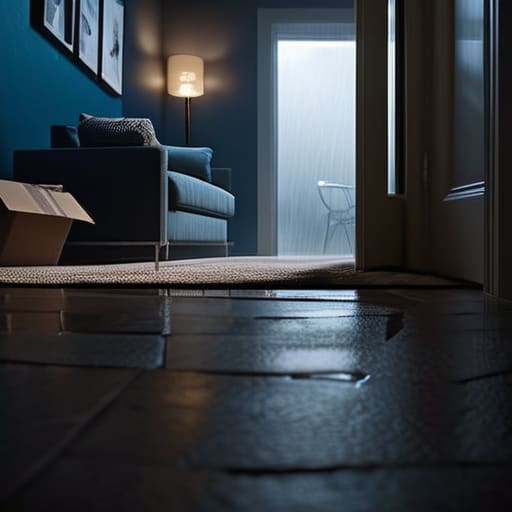
I’ve spent twenty years watching people panic when things go sideways, and panic is usually just a lack of a plan. When you’re sitting in your living room, everything looks fine. But if a fire starts or a storm rolls in, your furniture becomes a maze. You need to sit down and actually map out your emergency evacuation routes while you’re calm. Don’t just assume you’ll “find a way out.” I want you to walk every path you think you’ll take and realize that the pile of boxes in the hallway or the heavy decorative rug are just unnecessary obstacles waiting to trip you up when visibility is low.
It isn’t just about getting yourself out, though; it’s about making sure help can get in. If you live on a property with a long driveway or a gated entrance, you need to ensure there is clear clearance for emergency vehicles. I’ve seen folks park their trailers or stack firewood right where a fire engine needs to turn. If the first responders can’t reach your front door because you’ve cluttered the access points, all the preparedness in the world won’t matter. Keep your entryways clear, and keep your exits practiced.
Keeping Obstacle Free Entryways Clear of Life Threatening Clutter
I’ve spent twenty years watching people clear a range, and I’ve learned that people tend to treat their hallways and mudrooms like a catch-all for whatever didn’t fit in the garage. In a crisis, that pile of boots, the half-finished woodworking project, or that stack of delivery boxes becomes a tripwire. You don’t realize how much a single misplaced item can impede your movement until you’re moving in the dark or under extreme stress. Maintaining obstacle-free entryways isn’t about being tidy for a guest; it’s about ensuring your path to the door is predictable and unobstructed.
It’s not just about your own exit, either. If things go sideways, you need to consider the people coming in to help. If your driveway is blocked by a trailer or your porch is a graveyard for old equipment, you are actively hindering first responder access points. I tell my students that if you can’t navigate your home with your eyes closed during a routine drill, you certainly won’t manage it when the adrenaline is spiking. Keep the paths clear, keep the gates unlocked, and don’t let clutter dictate your ability to respond.
The small things that trip you up when the pressure is on
- Stop treating your gear storage like a junk drawer; if you can’t find your medical kit or your primary tool in under ten seconds because it’s buried under a pile of cleaning rags, you’ve already lost the fight.
- Light your way before the power goes out, because trying to navigate a hallway full of furniture in total darkness is a fast track to a broken limb or a blocked exit.
- Test your secondary exits just as often as you check your chamber, because a door that sticks during a routine walk-through will become a wall when you’re in a hurry.
- Keep your communication tools in a dedicated, predictable spot—not “somewhere in the bag”—so you aren’t fumbling for a way to call for help while your hands are shaking.
- Practice the “muscle memory” of your layout, because in a real crisis, your brain is going to go fuzzy and your body is going to rely on the paths you’ve walked a hundred times before.
The discipline of readiness
Stop treating your floor space like a storage unit; if you can’t walk a straight line through your doorway in the dark, you’re just building an obstacle course for yourself.
Don’t wait for the sirens to start thinking about your exits; you need to know exactly where you’re going before the adrenaline makes your brain go fuzzy.
Real preparedness isn’t about fancy gear; it’s about the unglamorous habit of keeping your paths clear and your layout predictable every single day.
Getting the Fundamentals Right
At the end of the day, planning your access is a lot like maintaining your gear; it’s the work you do when nobody is watching that determines whether things go right when the pressure is on. We’ve talked about mapping out your routes so you aren’t guessing in the dark, and we’ve talked about keeping your entryways clear of the clutter that turns a simple exit into a tripping hazard. It isn’t glamorous, and it certainly isn’t exciting, but it is the difference between a controlled response and a total breakdown. If you haven’t cleared the path and memorized the way out, you aren’t actually prepared; you’re just hoping for the best, and hope is never a reliable safety protocol.
I’ve spent twenty years on the range watching people make mistakes because they relied on instinct instead of established habits. In an emergency, your instinct will often fail you, but a well-rehearsed routine will hold steady. Don’t wait for a crisis to find out your hallway is blocked or your exit route is a dead end. Take the time now to organize your space and your mind. If you treat these small, unglamorous preparations with the same respect you give your primary equipment, you’ll find that when the unexpected happens, you won’t be scrambling—you’ll just be following the plan.
Frequently Asked Questions
How do I account for a situation where the primary exit is blocked by fire or debris?
That’s where your secondary route comes in. If the front door is blocked, you need to know exactly which window or back exit is your next best bet, and more importantly, if you can actually get through it. I’ve seen folks plan for an exit only to find a heavy workbench or a pile of gear blocking the way. Test that secondary path. If you can’t clear it in the dark, it isn’t a route.
Is there a specific way to organize my gear so I can find it quickly without fumbling in the dark?
Forget the fancy tactical setups; if you haven’t organized your gear so you can grab it in the dark without tripping, you aren’t actually prepared. I tell people the same thing every Saturday: touch is more reliable than sight when things go sideways. Use tactile markers—different textures or shapes—on your essential kits. Keep your most critical items in a dedicated, predictable spot. If you have to hunt for it, you’ve already lost.
How often should I actually walk through these routes to make sure they still work?
Don’t wait for a drill or a scheduled inspection to test your paths. I tell people to do a mental walkthrough every time they reorganize a room or bring in new gear. If you move a heavy workbench or stack a new crate of ammo, your route just changed. Make it a habit: if the layout shifts, the plan shifts. Check it physically once a month, but keep it in your head every single day.




