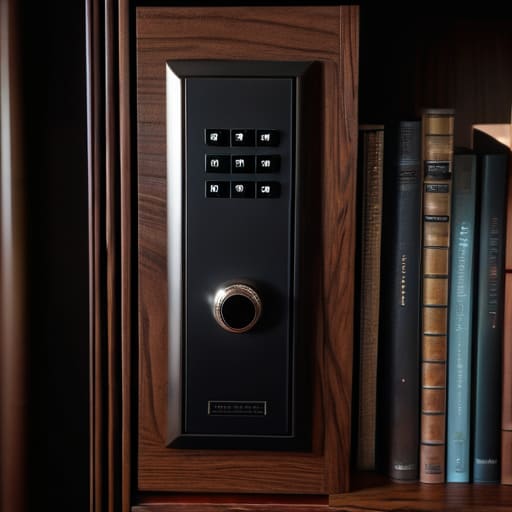
I’ve seen plenty of folks spend three grand on a high-end biometric safe only to shove it behind a heavy dresser or bury it under a mountain of seasonal decorations in the basement. It looks good on paper, but let me tell you, if you have to move a piece of furniture or dig through a box of old holiday lights just to reach your gear, you haven’t secured anything—you’ve just created a delay you can’t afford. People get so caught up in the “stealth” part of the equation that they forget the most important rule: if you can’t get to it in a heartbeat, you’ve effectively turned your safe into a decorative paperweight. Learning how to hide a safe without blocking access isn’t about being a magician; it’s about practical geometry and knowing your own floor plan.
I’m not here to sell you on some high-tech, secret compartment gadget from an infomercial. I want to talk about the unglamorous, real-world ways to keep your equipment out of sight while ensuring it’s ready when you are. We’re going to look at placement, clearance, and the simple habits that keep your storage both discreet and immediately functional.
Mastering Strategic Safe Positioning for Seconds Matter Scenarios
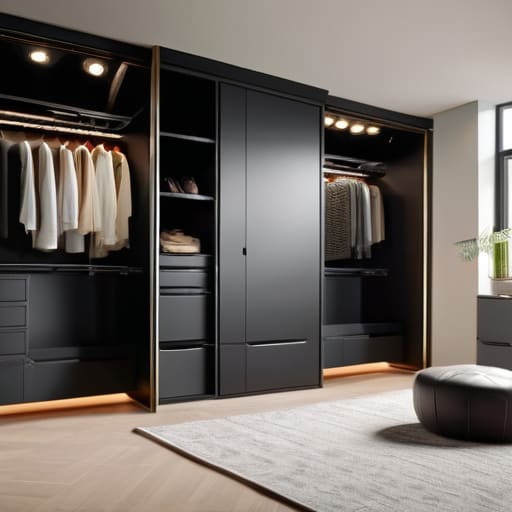
When you’re talking about strategic safe positioning, you have to stop thinking like a decorator and start thinking like a person who needs to move. I’ve seen folks spend a fortune on a high-end biometric safe only to wedge it behind a heavy oak wardrobe that requires two grown men and a pry bar to move. That isn’t security; that’s a barrier. If you want real quick access safe locations, you need to prioritize a clear path of travel. A safe tucked in a closet is fine, but if it’s buried under a mountain of seasonal clothing, you’ve lost those vital seconds when they matter most.
The goal is to find a spot that feels natural to your daily routine. I always tell my students that the best discreet home security solutions are the ones that don’t look like they’re trying to be secret. Instead of looking for a “hidden compartment” that requires a complex puzzle to open, look for a location that is simply out of the primary line of sight. A corner of a bedroom or a low shelf in a pantry works because it’s unremarkable. If you have to fight your own furniture to get to your tools, you’ve missed the point entirely.
Discreet Home Security Solutions That Dont Cost You Time
When people talk about home burglary prevention tactics, they usually focus on cameras or high-end locks. But if you’re looking for discreet home security solutions, you need to look at what’s right in front of you. I’ve seen folks try to hide a small handgun inside a hollowed-out book or under a floorboard, only to realize during a high-stress moment that they can’t find the damn thing. If you have to move a bookshelf or dig through a box of old holiday decorations to reach your gear, you haven’t hidden it; you’ve just delayed your response.
The trick is finding quick access safe locations that blend into the natural flow of a room. Think about the things you already touch every day. A heavy wooden end table or a sturdy storage ottoman can serve as excellent camouflaging security equipment. These aren’t just pieces of furniture; they are functional parts of your home that don’t require a scavenger hunt to operate. You want to find that sweet spot where the safe is invisible to a casual intruder but stays within arm’s reach when you actually need it.
Five Rules for Keeping Your Safe Out of Sight but Within Reach
- Stop the “Wall of Junk” approach. I see people shove a safe behind a heavy dresser or a stack of storage bins just to keep it out of view. If you have to move more than one object to get to that dial, you aren’t being secure; you’re just being slow. Keep the path clear.
- Use the “Eye-Level Rule” for concealment. If you’re hiding a small safe in a closet, don’t put it on the floor under a pile of shoes. Most people look at eye level or slightly down. Hide it in the middle of a shelf behind some everyday clutter, not in the dark corners where you’ll have to fumble in the dark.
- Watch your floor load. This is something my machining background always makes me think about. If you decide to hide a heavy safe under a floorboard or in a crawlspace, make sure that structure can actually handle the concentrated weight. A hidden safe that crashes through the floor is a problem you don’t want to solve at 3:00 AM.
- Lighting is a tool, not an afterthought. If you hide a safe in a dark corner or a deep closet, you better have a dedicated light source right there. You shouldn’t be hunting for a flashlight while you’re trying to navigate a high-stress situation. If you can’t see the keypad or the lock immediately, the hiding spot is a bad one.
- The “One-Hand Test.” I tell new shooters this all the time: if you can’t reach your safe and begin the opening process with one hand while using the other for something else, you’ve over-complicated the concealment. True security is about being able to operate your equipment instinctively, even when your environment is working against you.
The Three Rules for a Safe You Can Actually Use
Accessibility beats concealment every single time; if you have to move a heavy footlocker or fight through a pile of laundry to reach your safe, you’ve already lost the fight.
Avoid the “out of sight, out of mind” trap by ensuring your safe isn’t buried in a corner where you’ll forget it’s there or, worse, where it becomes a permanent obstacle in your floor plan.
Plan your path of travel before you even buy the safe, making sure nothing—not a piece of furniture or a decorative rug—stands between you and your gear during those critical first seconds.
The Bottom Line on Access and Stealth
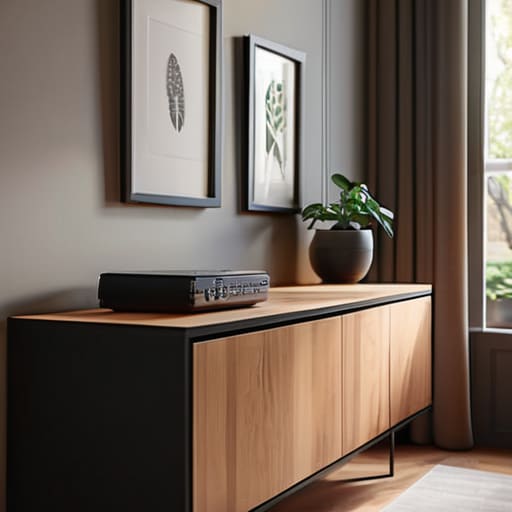
At the end of the day, hiding a safe isn’t about playing a game of hide-and-seek with a burglar; it’s about managing the friction between security and speed. You’ve looked at how to position things where they belong, how to keep them out of sight without burying them under a mountain of clutter, and how to ensure that when the moment comes, you aren’t fighting your own furniture to get to what matters. If you can’t reach that handle in a heartbeat because you decided to tuck it behind a heavy dresser or a stack of old magazines, you haven’t actually secured anything—you’ve just created a new obstacle for yourself. Remember, a safe that is impossible to access is just a very expensive, heavy piece of furniture.
I’ve spent twenty years on the range watching people rush through their procedures because they were fighting their own gear. Safety and readiness are built on the small, unglamorous habits we practice when nobody is watching. Take the extra ten minutes today to test your layout, move that heavy box, and make sure your path is clear. When you get the boring fundamentals of storage and accessibility right, you stop worrying about the “what ifs” and start focusing on the sport. Get your habits in order now, so they don’t fail you when they’re needed most.
Frequently Asked Questions
If I put my safe behind a heavy piece of furniture to keep it out of sight, how do I make sure I'm not actually creating a barrier I'll struggle to move in a panic?
Look, I’ve seen people spend an hour rearranging a heavy dresser just to get to their gear during a drill. If you can’t move that furniture with one hand while your heart is racing, it’s not a hiding spot—it’s an obstacle. Use heavy-duty casters or keep the furniture slightly offset. You want it out of sight, sure, but if you have to play Tetris during a crisis, you’ve already lost the fight.
Is there a point where trying to be too "stealthy" with a safe actually makes it harder to maintain, like dealing with moisture or dust in a cramped closet?
Absolutely. I’ve seen folks shove a heavy safe into the back of a cramped, unventilated closet just to keep it out of sight. That’s a mistake. You’re trading a theft risk for a rust risk. If you can’t get a decent airflow around the unit, or if you’re burying it in a damp corner, you’re going to spend more time fighting oxidation than you ever would have spent explaining a safe to a burglar. Don’t let “hidden” become “neglected.”
How do I balance the need for a quick, unobstructed path to the safe with the reality of having kids or guests moving around the house?
Look, a house with kids or guests is a house with obstacles. You can’t treat your floor plan like a sterile range. The trick isn’t making the safe invisible; it’s making the path predictable. Don’t put it behind a door that swings into a high-traffic zone, and for heaven’s sake, don’t tuck it under a pile of laundry. If you have to move a single toy or a guest’s coat to reach it, you’ve already lost.




