I spent twenty years watching guys spend thousands on high-tech, electronic safes only to treat them like a junk drawer once they got them home. You’ll see a guy buy a top-of-the-line vault, but then he’s tossing loose magazines, heavy steel tools, and unbagged handguns into the bottom like he’s throwing laundry in a hamper. It doesn’t matter how much that door cost if you don’t know how to organise a safe so nothing gets scratched during the daily shuffle. I’ve spent enough time at the workbench to know that a single metal-on-metal slide can ruin a finish you spent weeks perfecting, and no amount of expensive security can fix a scratched receiver.
I’m not here to sell you on fancy velvet-lined organizers or overpriced modular systems that promise to change your life. I want to talk about the practical, unglamorous habits of proper storage and layout that actually protect your gear. I’m going to show you how to set up your space using simple, common-sense methods that keep your metal away from metal. If you follow these steps, you won’t just have a tidy safe; you’ll have a system that preserves the value of your collection for the long haul.
Preventing Metal Scratches in Safes With Custom Safe Dividers and Organizer

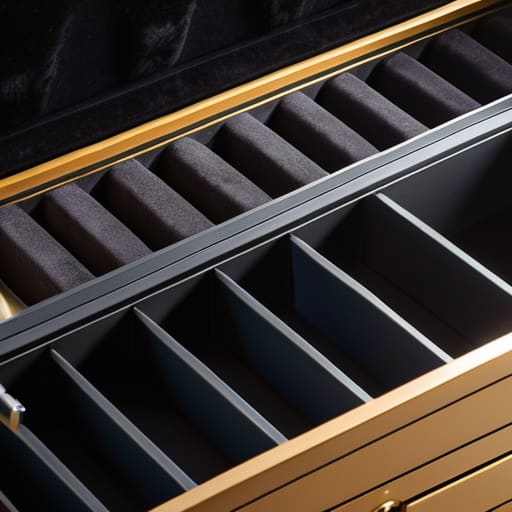
If you’re still just stacking rifles against each other like cordwood, you’re asking for trouble. I’ve seen too many folks spend a fortune on a decent piece only to turn the finish into a mess of silver lines because they didn’t bother with proper separation. Using custom safe dividers and organizers is the simplest way to stop that metal-on-metal contact before it starts. It’s not about being fancy; it’s about creating a dedicated home for every piece so they aren’t sliding around every time you open the door.
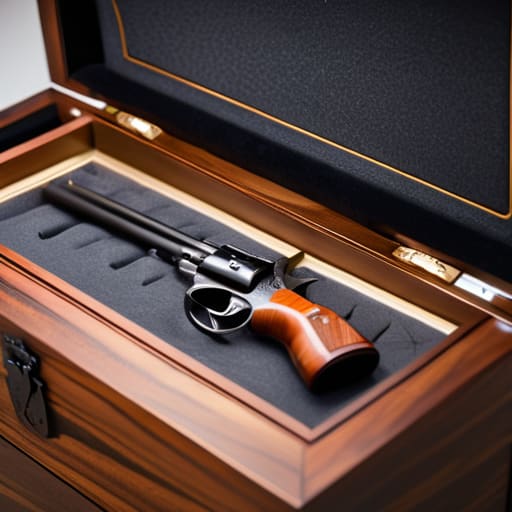
When you’re looking at these dividers, don’t just grab the cheapest plastic ones you find online. Look for something that incorporates soft padding for safe compartments. I usually recommend looking into velvet lining for safe drawers if you’re storing smaller items or high-end pistols. That extra layer of cushion acts as a buffer against the vibrations and movement that happen during daily use. It’s a small investment in time and money, but it’s a lot cheaper than trying to re-blue a ruined barrel or fixing a scratched receiver.
The Essential Role of Soft Padding for Safe Compartments

If you’re just tossing your handguns or high-end optics onto a bare steel shelf, you’re asking for trouble. Metal-on-metal contact is a slow way to ruin a finish, and once that friction starts, it doesn’t stop. I’ve seen plenty of folks spend a fortune on a piece only to let it get marred by a sliding magazine or a stray cleaning rod. Using soft padding for safe compartments isn’t about being fancy; it’s about creating a buffer that absorbs the movement that happens every time you shut that heavy door.
I usually suggest starting with some high-density foam or even a dedicated velvet lining for safe drawers if you’re storing smaller items like accessories or precision tools. If you have a drawer setup, that velvet does more than just look good—it keeps things from sliding around like a deck of cards when you move the safe or bump it. It’s one of those small, unglamorous steps in safe interior organization tips that makes a massive difference in the long run. You want your gear to sit still, not dance every time you reach in.
Five ways to stop your gear from fighting itself
- Stop the “toss and go” habit. If you’re just dropping a handgun into a pile of magazines and loose ammo, you’re asking for finish damage. Treat every piece like it’s worth more than it is, because when you’re cleaning it later, you’ll wish you had.
- Watch your heavy hitters. If you have a heavy bolt-action or a long gun with a steel receiver, don’t let it lean against a lighter, more delicate piece. Gravity is a constant, and over a few months, that weight is going to grind one finish right into the other.
- Mind the hardware. Check your holsters and slings for any stray metal bits or rough edges. I’ve seen plenty of folks blame their safe for a scratch, only to realize their leather holster has a piece of hardware digging right into the slide.
- Keep the metal moving. Don’t let a gun sit in the exact same spot for three years without moving it an inch. Dust and microscopic grit can settle in the contact points, and when you finally do shift things around, that grit acts like sandpaper.
- Respect the magazines. Don’t stack them high and let them tip over. Metal-on-metal contact from sliding magazines is a quick way to turn a clean finish into a mess of silver gouges that no amount of oil is going to fix.
The Bottom Line on Safe Storage
Stop treating your safe like a junk drawer; if you don’t use dividers or organizers to create a dedicated spot for every piece, you’re just waiting for a metal-on-metal collision to ruin a finish.
Padding isn’t a luxury, it’s a necessity—use soft liners in every compartment so that even if you’re moving gear in a hurry, you aren’t grinding grit into your steel.
Real maintenance starts the moment you stop shooting; if you take the time to organize properly now, you won’t be spending your Sunday afternoons trying to buff out scratches you caused yourself.
The Long View on Storage
At the end of the day, organizing a safe isn’t about making it look pretty for a magazine spread; it’s about the mechanics of preservation. We’ve talked about why you need custom dividers to keep your steel from knocking against steel, and why soft padding is the only thing standing between a clean finish and a mess of surface abrasions. If you take the time to set up your compartments properly and treat your storage like a part of your preventative maintenance, you won’t be spending your Saturday mornings scrubbing away scratches or worrying about degraded finishes. It’s about being intentional with every inch of that space so that when you reach for a piece, you aren’t fighting the clutter or damaging the tool.
I’ve spent twenty years watching people treat their gear like an afterthought, only to realize too late that neglect is a slow-motion accident. A safe shouldn’t be a junk drawer where you just toss things and hope for the best. It should be an extension of your discipline. When you get the storage right, you’re doing more than just protecting metal; you are respecting the tools that you rely on. Take the extra ten minutes to organize it correctly today. It’s a small habit, but in this sport, the small habits are what keep everything running exactly the way it’s supposed to.
Frequently Asked Questions
Is there a specific type of foam or padding that won't react with the oil on my firearms and cause the finish to peel?
That’s a sharp question, and it’s one I’ve seen people learn the hard way. Most cheap, open-cell foams are basically sponges for oil, and they’ll eventually react with your CLP or gun grease, turning into a sticky, gummy mess that eats your finish. Stick to closed-cell foam—specifically EVA foam or high-density polyethylene. It doesn’t soak up the oils, it won’t degrade, and it stays clean. It’s worth the extra few bucks to keep that patina where it belongs.
If I'm using custom dividers, do I need to worry about the weight of my heavier rifles causing the shelves to sag or shift?
That’s a fair question. If you’re using those thin, modular plastic dividers, yeah, you need to watch it. A heavy service rifle or a loaded bolt-action can put a lot of leverage on a flimsy shelf. I’ve seen dividers bow and eventually snap, which sends your gear sliding. If you’re storing anything heavy, make sure those dividers are anchored well, or better yet, use thicker, reinforced tracks. Don’t let a little weight turn your organization into a mess.
How often should I be rearranging things to make sure I'm not just moving the scratches from one spot to another?
You don’t need to play musical chairs with your gear every week. If you’ve got the padding and dividers set up right, you shouldn’t be moving things much at all. But, I tell folks to do a full audit every time they do a deep clean. If you notice a certain spot is getting crowded or you’re constantly fighting to pull a rifle out, that’s your signal to rearrange. Don’t wait for the finish to suffer.




