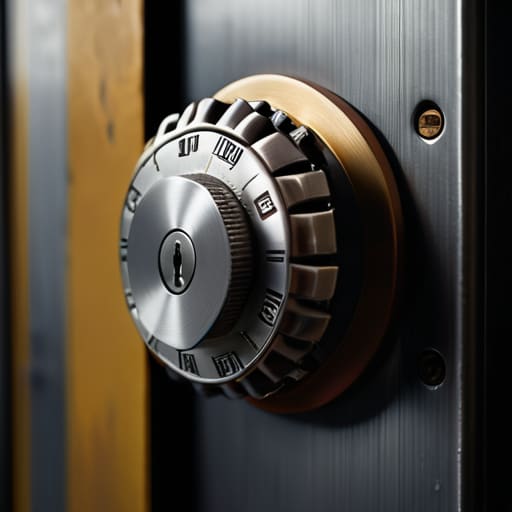
I spent twenty years watching folks walk onto the range with every piece of gear money can buy, only to see them stumble because they neglected the basics. It’s the same with storage. I’ve seen guys spend a small fortune on high-tech, biometric safes that look like something out of a sci-fi movie, only to realize they have no idea how to choose a safe lock type that actually works when the batteries die or the sensor gets a layer of dust on it. They get distracted by the bells and whistles, thinking a fingerprint scanner is a magic shield, when in reality, they’re just buying a fancy way to get locked out of their own gear.
I’m not here to sell you on the latest gadget or some overpriced digital gimmick. My goal is to walk you through the practical, unglamorous reality of what actually keeps your collection secure and accessible. We’re going to look at the mechanics, the failure points, and the real-world reliability of each option so you can make a decision based on logic rather than marketing. Get the foundation right, and the rest of your hobby stays a lot more peaceful.
Mechanical vs Electronic Safe Locks Picking Your Daily Burden
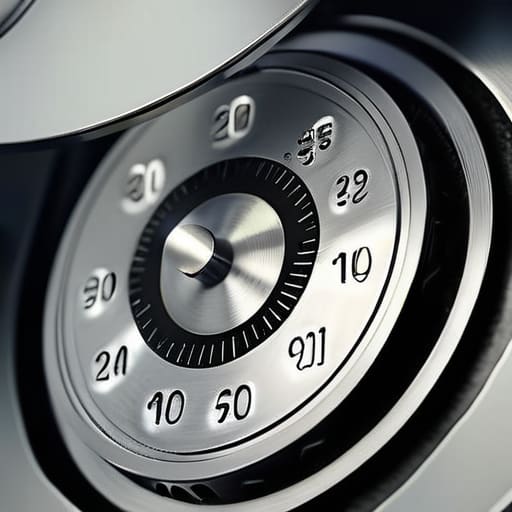
Most folks walk into a shop and gravitate toward the digital keypad because it feels modern. It’s fast, and it’s easy. But when you’re looking at mechanical vs electronic safe locks, you have to ask yourself what happens when the batteries die or a circuit board decides it’s had enough. I’ve seen enough gear fail at the worst possible moment to tell you that a dial is a predictable beast. There’s no software to glitch and no power source to fail. If you want something that relies on pure combination lock durability, the mechanical dial is still the gold standard for a reason.
Electronic locks have their place, especially if you’re looking for convenience or specific biometric safe lock benefits for quick access. They are fine for a home office, but they require a different kind of discipline. You have to be diligent about maintenance and power cycles. If you go electronic, don’t just buy the cheapest unit on the shelf; make sure it’s built to handle the actual environment of your home. At the end of the day, you aren’t just buying a way to open a door—you’re buying the peace of mind that comes from knowing the mechanism won’t quit on you.
Safe Security Ratings Explained Seeing Past the Sales Pitch
When you’re looking at a spec sheet, you’re going to see a lot of numbers that look impressive at a glance. Most folks see a rating and think it’s a guarantee of total invulnerability, but that’s not how it works. When we talk about safe security ratings explained, we aren’t talking about a promise that a thief won’t get in; we are talking about how much time and effort it takes for them to try. A rating is essentially a measure of resistance to forced entry. It tells you how long a professional with a drill or a pry bar will be kept busy before they get through the door.
Don’t get caught up in the marketing fluff that promises “unbreakable” anything. Instead, look for the specific testing standards, like UL ratings, which provide a baseline for safe lock tampering resistance. I’ve seen plenty of high-end safes that have a heavy door but a lock mechanism that can be bypassed with a bit of finesse and a cheap tool. You want to ensure the rating accounts for the specific way you expect the safe to be challenged. Focus on the integrity of the mechanism rather than just the thickness of the steel.
Five Real-World Checks Before You Commit to a Lock
- Don’t buy a lock based on how it looks in a showroom. Think about your hands when you’re tired, cold, or in a hurry. If a keypad feels mushy or a dial is too stiff to turn without a fight, you’re going to end up hating that safe every single time you use it.
- Test the “failure mode” in your head. If the battery dies on an electronic lock, do you have a physical key backup that actually works, or are you stuck calling a locksmith at midnight? I’ve seen too many folks get locked out of their own gear because they didn’t plan for a dead cell.
- Watch out for the “cheap plastic” trap. Some of these entry-level electronic locks use components that feel fine on day one but won’t handle the humidity or temperature swings in a garage or a basement. You want something built with parts that can take the actual environment they’re sitting in.
- Keep the complexity proportional to your need. If you’re just storing a few handguns, you don’t need a biometric scanner that requires a fingerprint scan every time you want to grab a piece. Sometimes the simplest mechanical lock is the most reliable because there’s less to go wrong.
- Check the tactile feedback. When you turn a dial or press a button, you should feel a definitive “click” or a clear response. If the mechanism feels loose or vague, that’s a sign of poor tolerances, and poor tolerances are exactly how mistakes happen when you’re trying to secure something important.
The Bottom Line on Your Gear
Don’t let a fancy digital screen fool you into thinking a safe is invincible; a lock is only as good as the physical mechanism behind it, so prioritize the build over the bells and whistles.
Match the lock type to how you actually live, because a high-security mechanical dial is useless if you’re too frustrated by the combination to open it when you’re in a hurry.
Always look for the rating that reflects real-world resistance, not just the sticker that looks prettiest in the showroom window.
Making the Call
At the end of the day, choosing a lock isn’t about finding the most expensive piece of hardware on the shelf; it’s about matching the tool to your actual lifestyle. You have to weigh the tactile, fail-safe reliability of a mechanical dial against the convenience of an electronic keypad, all while keeping a sharp eye on those security ratings. Don’t get caught up in the bells and whistles that look good in a showroom but fail under real-world pressure. Whether you go with a heavy-duty mechanical setup or a modern digital interface, the most important factor is that it remains a consistent part of your routine. If it’s too complicated to use when you’re tired or in a hurry, you’ll eventually stop using it properly, and that is exactly when things go wrong.
I’ve spent twenty years watching people prioritize the “cool” factor over the practical one, and I can tell you that the best gear is the gear you actually trust. A safe is only as good as the habits of the person standing in front of it. Pick a lock that you can operate with your eyes closed, and then make the security of that lock a non-negotiable habit. When you get the fundamentals of storage and access right, you aren’t just protecting your equipment; you’re protecting your peace of mind. Get the lock right, keep it maintained, and the rest of the sport will take care of itself.
Frequently Asked Questions
If I go with an electronic lock, what happens if the batteries die while I'm actually trying to get my gear out?
It’s a fair question, and it’s exactly the kind of thing people only realize when they’re standing in their garage at 5:00 AM with a deadline. If you go electronic, you have to plan for the failure. Most decent units have an external battery jump port or a physical override key. If you don’t have one of those, you’ve just bought a very expensive metal box. Never buy a digital lock without a backup plan.
Are those high-end biometric fingerprint locks actually reliable, or are they just another thing that's going to fail when my hands are sweaty?
Look, I’ve seen plenty of folks get seduced by the high-tech promise of a fingerprint scanner. In a movie, it’s seamless. In a real-world scenario—where your hands are sweaty, dirty, or you’re wearing gloves—it’s a liability. Biometrics add a layer of “convenience” that often creates a single point of failure. If you want something that works every single time, regardless of the conditions, stick to a mechanical dial or a solid keypad.
How much does the actual thickness of the safe door matter if the lock itself is the weak point?
Look, it’s easy to get fixated on the lock, but a heavy door isn’t just there to protect the mechanism. If you’ve got a high-end combination lock on a door made of thin, stamped steel, a thief isn’t going to bother with the dial. They’ll just use a pry bar or a circular saw to bypass the lock entirely by going through the metal around it. You want a thick, solid door to make the lock’s job actually matter.




