I watched a guy back in the nineties try to move a heavy steel cabinet by sliding it across a garage floor, thinking the sheer weight of the thing was enough to keep it put. He was wrong, and a quick job by a couple of guys with a truck proved it; that “impenetrable” box became nothing more than a very expensive sliding door for a thief. Most people think a heavy safe is its own security, but if you don’t know how to anchor a gun safe to the floor, you’re essentially just providing a thief with a heavy suitcase that they can carry right out your driveway.
I’m not here to sell you on fancy security systems or high-tech gadgets that fail when the power goes out. I want to walk you through the unglamorous, dirty work of getting those bolts into the concrete correctly. We’re going to cover the specific tools you’ll need, the right way to drill without cracking your slab, and the exact steps for securing that steel so it stays exactly where you put it. Get the foundation right now, and you won’t have to worry about it later.
Guide Overview
Tools & Supplies
- Hammer drill with masonry bit for concrete penetration
- Socket wrench set for tightening bolts
- Tape measure for precise placement
- Concrete anchor bolts (wedge or sleeve type) 3-5 quantity
- Masonry drill bit matching anchor diameter 1 quantity
- Dust mask for concrete particles 1 quantity
Step-by-Step Instructions
- 1. First, you need to figure out exactly where that safe is going to sit. Don’t just pick a corner because it looks good; you need to find a spot on a solid concrete slab. If you’re trying to anchor this to a wooden subfloor over a crawlspace, you’re already making a mistake that’ll cost you later. Once you’ve picked the spot, clear the area and make sure the floor is level. If it isn’t, you’ll be fighting the door alignment for the next ten years.
- 2. Get your safe into its final position before you even think about picking up a drill. It is much easier to move a heavy piece of steel once than it is to try and maneuver it around a dozen pre-drilled holes. Once it’s sitting where it belongs, grab a marker and find the mounting holes in the bottom of the safe. Trace those holes onto the concrete so you know exactly where your target is.
- 3. Now you’ve got to drill, and this is where people usually get impatient. You’ll need a heavy-duty hammer drill and a masonry bit that matches the diameter of the anchors you bought. Don’t try to use a standard cordless drill; you’ll just end up with a burnt-out motor and a shallow, useless hole. Drill straight down, steady and slow, until you hit the depth required by the anchor manufacturer.
- 4. Clean out those holes. This is one of those unglamorous steps that most people skip, but it’s vital. If there’s leftover concrete dust sitting in the bottom of the hole, your anchor isn’t going to seat properly, and you’ll lose that critical tension needed to keep the safe put. Use a vacuum or a blow bulb to get every bit of grit out of there.
- 5. Line the safe back up with your marks and start driving your anchors in. If you’re using wedge anchors, you’ll likely need a heavy hammer to get them seated. You want to feel that resistance, but don’t go forcing it if something feels completely jammed. If it’s not going in smoothly, you probably didn’t drill deep enough or your hole is slightly off-center.
- 6. Tighten everything down, but use a bit of common sense. You want those anchors tight enough that the safe doesn’t budge if a grown man puts his shoulder into it, but don’t go trying to snap the bolt head off by over-torquing it. Once they’re snug, give the safe a good, firm shake. If it moves, you didn’t do the job right, and you need to go back and check your anchor seating.
Picking Your Weapon Wedge Anchors vs Sleeve Anchors
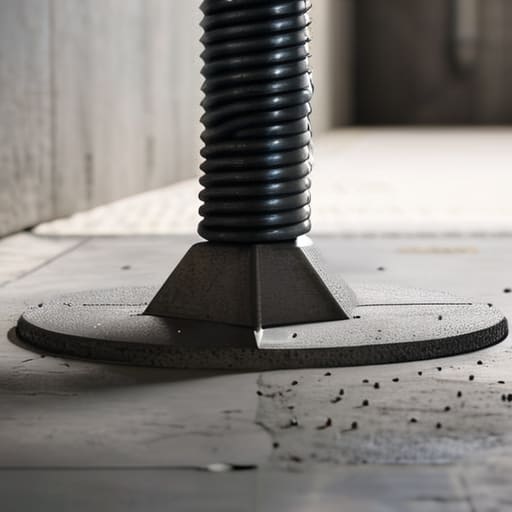
Now, you’re going to get to the hardware store and see a wall of metal fasteners, and that’s where most folks get turned around. When you’re looking at wedge anchors vs sleeve anchors, you need to understand what they actually do for your setup. Wedge anchors are my preference for most jobs; they expand as you tighten the nut, biting into the concrete and staying put. They are straightforward and reliable for securing heavy safes to basement floors, provided your hole is clean. Sleeve anchors, on the other hand, have a bit more of a wrap-around expansion, which can be helpful if the concrete is a little less than perfect, but they can be a headache to set if you aren’t careful.
Before you even pull a trigger or tighten a bolt, remember that the anchor is only as good as the hole you put in the ground. You’ll need a decent hammer drill for concrete to get through that slab without burning out your bits or losing your temper. If you aren’t drilling into concrete slab with precision, the anchor won’t seat right, and you’ll end up with a loose connection that’s about as useful as a screen door on a submarine. Do it right the first time.
Drilling Into Concrete Slab Without Making a Mess
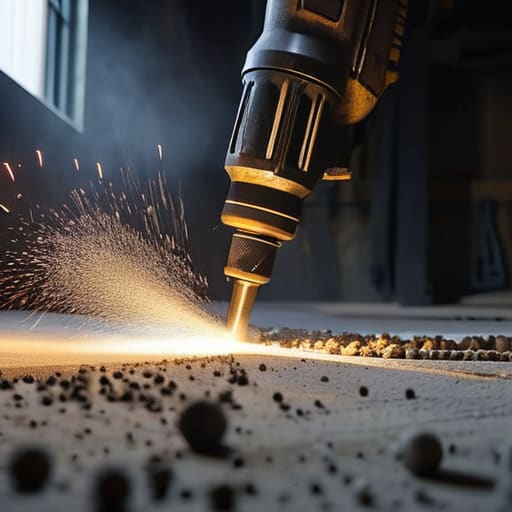
Now, I’ve seen plenty of folks start drilling into a concrete slab only to realize halfway through that they’ve turned their basement into a construction site. If you’re serious about securing heavy safes to basement floors, you need to respect the dust. You can’t just wing it with a standard drill; you’re going to need a proper hammer drill for concrete to get through that slab without burning out your motor or losing your mind. Once you start, that fine gray powder finds every crack in the floor and every crevice in your lungs, so don’t be proud—use a shop vac right at the bit.
The trick to keeping things clean is to keep the vacuum nozzle an inch away from the hole as you work. I’ve learned over the years that if you try to “clean up later,” you’ve already lost. Vacuum as you go. If you’re working in a tight space or a finished room, I’d even suggest taping a plastic shroud around the drill bit. It’s a little extra work, but it’s much easier than scrubbing concrete dust out of your baseboards for three hours.
Five Things the Manual Won't Tell You About Staying Put
- Check your slab before you start. I’ve seen plenty of guys drill straight into a thin garage floor only to realize they’ve gone right through the concrete and into a utility line or a hollow crawlspace. If you aren’t hitting solid, thick concrete, that anchor isn’t worth the steel it’s made of.
- Don’t be stingy with the vacuum. If you leave fine concrete dust inside the anchor hole, it acts like a dry lubricant. You’ll think the bolt is tight, but as soon as someone puts weight on that safe, it’ll settle and loosen itself. Blow it out, vacuum it out, and then do it again.
- Mind the torque. There is a fine line between “tight” and “cracked.” If you’re using a high-powered impact driver and you feel the concrete start to give or you hear a crunch, stop. You’ve just split your slab, and now you’ve got a loose safe and a permanent headache.
- Use heavy-duty washers. A lot of folks try to sink the bolt head directly into the safe’s mounting plate. Do that, and the pressure of the tightening bolt can actually deform the thin sheet metal of the safe. Use a thick, wide fender washer to spread that load out properly.
- Plan for the weight. This sounds obvious, but I’ve seen it happen: people anchor the safe, then realize they can’t actually move it into place once it’s bolted down. Get the safe exactly where you want it—level and plumb—before you drive that first anchor home.
The Bottom Line on Securing Your Gear
Don’t let your safe become a heavy suitcase for a thief; if it isn’t bolted to the concrete, it isn’t truly secure.
Match your hardware to your floor—use wedge anchors for solid slabs and sleeve anchors if you’re dealing with something a bit more forgiving.
Do the unglamorous work of drilling and anchoring correctly the first time so you can focus on the shooting, not the security.
The Job Isn't Finished Until the Bolt is Set
At the end of the day, anchoring a safe isn’t about following a checklist to satisfy a manual; it’s about the precision of the work you just put in. You’ve picked the right anchor for your slab, you’ve drilled straight without turning your garage into a dust bowl, and you’ve tightened those bolts until they actually bite. If you’ve done it right, that safe isn’t going anywhere, even if someone decides to try and move it. It’s the unsexy, heavy lifting that separates a serious collector from someone who’s just keeping their gear in a glorified metal box. Don’t cut corners on the final torque; do the job once so you never have to worry about it again.
I’ve spent twenty years on the range watching people overlook the small things, thinking they can skip a step and hope for the best. In this sport, hope isn’t a safety protocol. Taking the time to bolt that safe down is just another way of practicing the discipline that makes us better marksmen. It’s about respect—respect for your tools, respect for your investment, and respect for the responsibility of owning them. Get the foundation right, and the rest of your shooting life will be a whole lot steadier and more secure.
Frequently Asked Questions
What do I do if my garage floor is too thin or has a crack running through where I need to drill?
If you hit a crack or realize that slab is too thin to hold a decent anchor, don’t try to force it. A loose anchor is a failed anchor. If the crack is right where you need to go, shift your position by a few inches. If the whole floor is thin, you might need to move the safe to a thicker area, like a basement or a garage pad that actually meets spec. Don’t gamble with it.
Can I use a heavy-duty mounting bracket if I can't get through the concrete, or is that just a false sense of security?
A heavy-duty bracket might feel secure when you’re tightening the bolts, but it’s mostly just theater. If that safe isn’t physically tied to the slab, a thief isn’t going to try and unscrew it; they’re just going to tip it, slide it, or put a pry bar under it. A bracket won’t stop the momentum of a heavy safe being moved. If you can’t get through the concrete, you haven’t solved the problem—you’ve just decorated it.
If I'm renting my place, is there a way to secure the safe that won't result in me losing my security deposit?
If you’re renting, you can’t go drilling holes into a landlord’s slab—that’s a quick way to lose a deposit. Your best bet is a heavy-duty floor safe that’s too awkward for a thief to move quickly, or better yet, a high-quality security cable. Run a thick steel cable through the safe’s mounting points and around a structural element like a heavy radiator or a floor-mounted bollard. It’s not as permanent, but it’s better than nothing.




