I watched a guy last Saturday pull his shirt tail over his optic to wipe away a bit of dust, and I almost had to step in before he did permanent damage. Most people think that if they can see the smudge, they can just rub it off, but that’s exactly how you end up grinding grit into your expensive glass. If you want to know how to clean a lens in the field without turning a high-end piece of equipment into a scratched-up mess, you have to stop treating it like a pair of sunglasses. It isn’t about being fussy; it’s about respecting the tools that are supposed to be working for you when the conditions get ugly.
In this guide, I’m going to walk you through the proper, unglamorous way to handle optics when you’re miles from a workbench. I’ll show you the specific tools you should actually carry, the mistakes that will cost you a fortune in repairs, and the exact sequence to follow to ensure you aren’t just moving dirt around. We aren’t looking for perfection here, just a way to keep your sightlines clear and your glass intact.
Guide Overview
Tools & Supplies
- Air blower or bulb to remove loose grit
- Microfiber cloth or lens tissue for wiping
- Soft brush to sweep away debris
- Lens cleaning solution or high-grade isopropyl alcohol (small amount)
- Microfiber cloth (1-2 pieces)
Step-by-Step Instructions
- 1. First thing you do is blow the grit away. I’ve seen too many folks grab a microfiber cloth and immediately start wiping like they’re polishing a kitchen table. If there is a single grain of sand or a speck of rock dust on that glass, you aren’t cleaning it; you’re just sanding your optics into expensive paperweights. Use a manual air blower if you have one, or just a sharp, controlled breath to clear the surface of any loose debris.
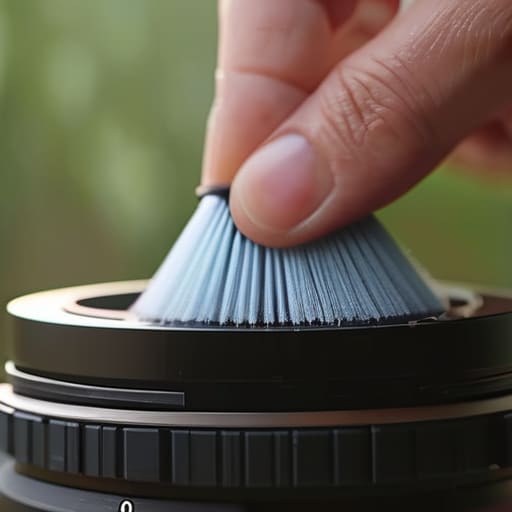
- 2. Once the heavy stuff is gone, take a clean, soft-bristled brush to the edges of the lens. You want to sweep the dust out of the crevices where the glass meets the housing. If you skip this, that grit is just going to migrate back onto the lens the second you start wiping, and you’ll be right back where you started.
- 3. Now, you can use your lens tissue or a dedicated microfiber, but you have to work from the center outward. Don’t scrub in circles. I’ve watched enough people ruin a good scope by applying too much pressure in a circular motion. Move in a straight line, starting at the middle and working your way to the edge, so you’re pushing the contaminants away from the optical path rather than swirling them around.
- 4. If you’ve got a stubborn smudge—maybe some fingerprint oil or a bit of dried mud—don’t go looking for a rag in your pocket. Use a dedicated lens cleaning solution specifically designed for optics. Apply one tiny drop to the cloth, never directly to the glass. If you spray the lens itself, the liquid can seep into the seals, and once you have moisture inside the housing, you’re looking at a very expensive repair job.
- 5. After the wipe, do a visual check from a few different angles. Hold the optic up to the light and look for any residual streaks or film. If it still looks cloudy, don’t keep rubbing the same spot with a dirty cloth. Get a fresh piece of tissue and repeat the center-to-edge motion. It’s better to spend an extra two minutes doing it right than to spend the rest of your life staring through a blur.
- 6. Finally, once the glass is clear, get that lid back on. I don’t care if you’re in the middle of a match or just taking a breather; if you aren’t looking through it, the lens cap should be on. It’s a simple habit, but it’s the single best way to ensure you aren’t having to repeat these steps every five minutes.
Using an Air Blower for Lens Maintenance Before You Touch Anything
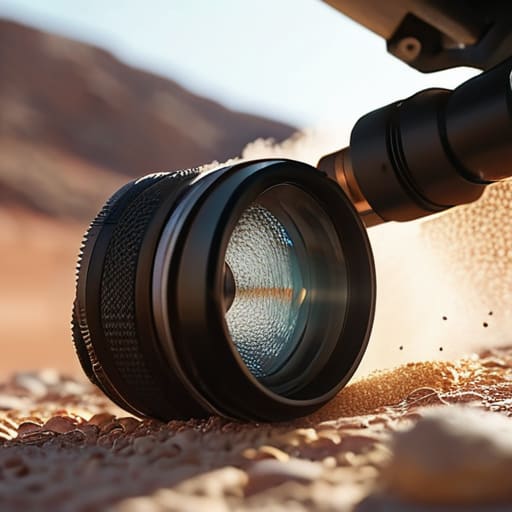
Before you even think about reaching for a cloth, you need to understand one thing: grit is the enemy. I’ve seen too many folks jump straight to a microfiber cloth because they’re in a hurry, but if there’s a layer of fine silt or sand on that glass, you aren’t cleaning it—you’re just polishing it into a mess. You’re essentially taking a piece of sandpaper to your optics. When you’re out in the elements, using an air blower for lens maintenance is your first and most important line of defense. It’s the only way to ensure you’re actually removing dust from camera lens surfaces before any physical contact occurs.
Get a decent bulb blower—something that actually moves a concentrated stream of air—and hold your gear so the debris falls away from the glass, not deeper into the housing. I don’t care how much you want to see your shot; if you skip this step, you’re just preventing lens scratches outdoors by doing the exact opposite. Take the extra ten seconds to blow it out thoroughly. It’s a small, unglamorous habit, but it’s the difference between a clear view and a permanent scratch.
Microfiber Cloth vs Lens Pen Picking the Right Tool for the Job
Now, once you’ve used that blower to clear the heavy stuff, you’re left with the decision of how to finish the job. Most folks think they can just grab whatever soft rag is in their range bag, but that’s how you end up with permanent swirl marks. When you’re looking at microfiber cloth vs lens pen, you have to consider your environment. A microfiber cloth is great for a broad, gentle sweep, but it’s a magnet for grit. If you don’t shake it out or inspect it first, you aren’t cleaning; you’re just buffing dirt into the coating.
If you’re out in the wind or working in a dusty environment, I usually lean toward a lens pen. It’s a much more controlled way of preventing lens scratches outdoors because you aren’t dragging a large surface area across the glass. The carbon tip on a good pen handles oils and smudges without the risk of a stray grain of sand getting trapped in a cloth. If you’re building the best portable lens cleaning kit for your kit, don’t choose one over the other. Carry the cloth for the big picture, but keep the pen for the precision work.
The Little Things That Save You a Thousand Dollars
- Stop using your shirt. I don’t care if it’s cotton or flannel; your clothes are full of microscopic grit that acts like sandpaper on a high-end element. If you don’t have a dedicated cloth, you don’t clean it. Period.
- Work from the center out. When you’re using a cloth or a pen, don’t scrub in circles like you’re polishing a car bumper. Move in small, controlled motions from the middle toward the edges to avoid dragging debris across the entire surface.
- Keep your cleaning kit in a hard case, not a loose pocket. I’ve seen too many guys toss a lens pen into a range bag with loose brass and tools. One wrong move and your “cleaning tool” becomes a scratching tool.
- Check your lighting before you judge the job. A lens might look clear under the midday sun, but once the shadows hit, you’ll see the smear you left behind. If you can’t see the smudge, you haven’t finished the job.
- Don’t over-apply fluid. If you’re using a specialized cleaner, put it on the cloth, not the glass. If you spray directly onto the lens in the field, you’re just inviting moisture to seep into the seals where it doesn’t belong.
The Bottom Line on Field Cleaning
If you don’t blow the grit off first, you aren’t cleaning your glass—you’re just using a cloth to sand it.
Stop reaching for your shirt; even the softest cotton is a collection of dust and grit that will ruin a decent optic.
Treat your cleaning tools with as much respect as your firearm; a dirty lens pen is just as dangerous to your view as a dirty bore is to your accuracy.
The Bottom Line on Glass

At the end of the day, cleaning your glass in the field isn’t about being fancy; it’s about being disciplined. You blow off the grit first, you choose the right tool for the specific mess you’re facing, and you never let your shirt sleeve do the work for you. If you skip the air blower and go straight to wiping, you aren’t cleaning that lens—you’re just sanding it down. Stick to the procedure, keep your microfiber clean, and treat your equipment with the same respect you give your firearm. It’s a small set of habits, but they are the difference between a clear sight picture and a permanent scratch that ruins a long-range shot.
I’ve seen too many folks spend thousands on high-end optics only to treat them like a piece of hardware in a toolbox. High-quality glass is an investment in your ability to see the target, and you owe it to yourself to protect that clarity. When you take those extra thirty seconds to do a proper field clean, you aren’t just maintaining a piece of gear; you are mastering the fundamentals of your craft. Get the unglamorous stuff right, and the shooting will take care of itself. Now, pack it up carefully and let’s get home.
Frequently Asked Questions
Is it actually okay to use a little bit of water if I'm out in the brush and the lens is caked in mud?
If you’re staring at a lens caked in mud, don’t reach for your shirt and start rubbing. You’ll grind that grit right into the coating. Yes, you can use water, but use it sparingly. If you have a spray bottle, fine; if not, a tiny bit of clean water from a canteen works. Just let it sit on the surface to loosen the heavy stuff before you even think about touching it with a cloth.
If I don't have a dedicated lens pen on me, can I use a clean cotton t-shirt without ruining the coatings?
The short answer is no. Don’t do it. I’ve seen enough scratched glass to know that “clean” is a relative term. Even a soft cotton shirt has tiny fibers and trapped grit that act like sandpaper against those expensive coatings. If you don’t have a lens pen, you’re better off using the air blower and just leaving the smudge until you get home. It’s better to shoot a little blurry than to ruin your glass permanently.
How often should I be cleaning the glass during a long day of shooting, or am I just increasing the risk of scratches?
If you’re cleaning your glass every time a speck of dust flies by, you’re probably doing more harm than good. I’ve seen too many folks scrub away their clarity because they’re being overzealous. My rule is simple: if you can see it clearly through the scope, leave it alone. Only clean when the smudge or grit is actually affecting your sight picture. Otherwise, you’re just inviting scratches. Work with the glass, not against it.




