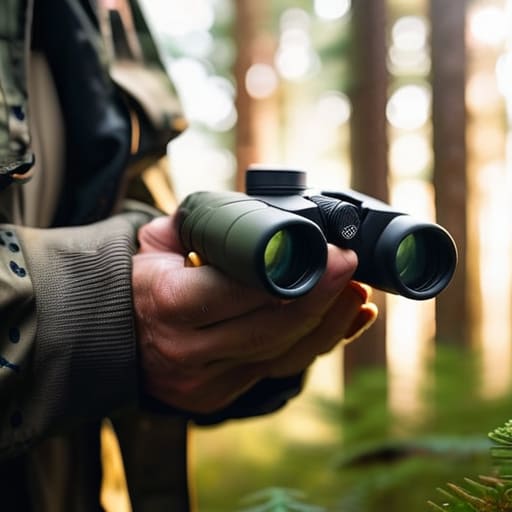
I’ve seen enough folks walk into a high-end outdoor shop and walk out with a pair of optics that cost more than my first truck, only to spend the entire season squinting through a blurry mess. They get caught up in the glossy brochures and the technical jargon, thinking a higher price tag automatically solves the problem of how to choose binoculars for hunting. But let me tell you, I’ve watched hunters struggle with “top-tier” glass that was too heavy to carry or too narrow to actually see anything useful in the brush. You don’t need a mortgage payment around your neck; you need gear that actually performs when the light starts to fail and the wind begins to pick up.
I’m not here to sell you on some shiny marketing gimmick or a brand name that’s just paying for celebrity endorsements. My goal is to strip away the nonsense and give you the straight truth based on years of watching people actually use this gear in the field. We’re going to focus on the practical stuff—weight, clarity, and durability—so you can stop guessing and start seeing. I’ll show you the real way to approach how to choose binoculars for hunting so you can invest your money wisely and never have to worry about your equipment failing you when it matters most.
The Truth About Objective Lens Diameter and Low Light Performance
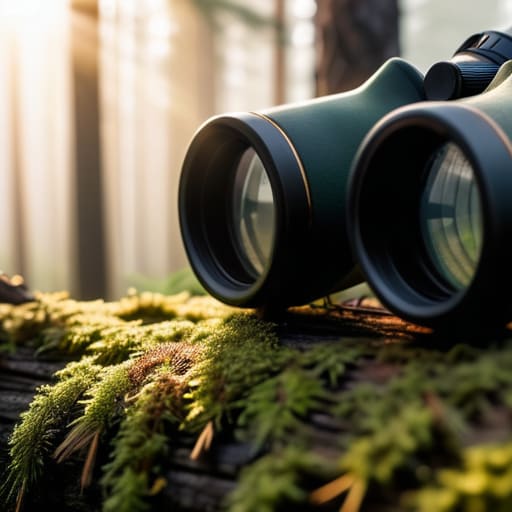
You’ll see folks staring at spec sheets, getting hung up on every little number, but if you want to know why some glass fails you at dawn, look at the objective lens diameter. It’s a simple trade-off. A larger lens lets in more light, which is what you need when the sun is dipping below the treeline and that buck is finally moving. But there’s a catch: those bigger lenses add weight. I’ve seen too many guys carry a heavy pair of glass for three miles, only to realize they’re too tired to hold them steady when the moment actually comes.
It isn’t just about the size, though; it’s about how that light is managed. You can have a massive lens, but if the coatings are cheap, you’re still going to struggle with low light performance. When you’re out in the brush, you aren’t looking for a cinematic experience; you’re looking for clarity that doesn’t wash out when the shadows get long. Don’t get distracted by the flashiness of the marketing—focus on how much light actually makes it to your eye when the conditions turn sour.
Why Field of View Importance Matters When the Wind Shifts
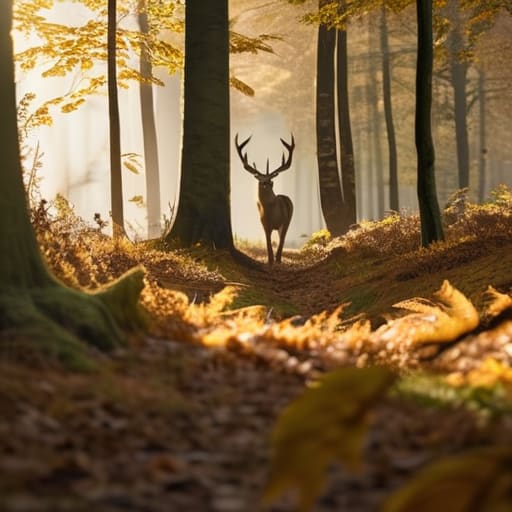
I’ve seen it happen a dozen times on a Saturday morning—someone gets a little too focused on the fine details and loses the big picture. In the field, that translates to missing the movement in the brush because your glass is too narrow. When the wind shifts and a deer breaks cover, you don’t have time to hunt for the animal through a tiny straw. You need to see the whole scene unfolding. That’s why field of view importance isn’t just a spec on a box; it’s the difference between spotting a target and staring at a patch of empty leaves.
If your glass has a cramped view, you’ll find yourself constantly adjusting your head position just to keep the animal in sight. It’s exhausting and, frankly, it’s how you lose the shot. You want optics that let you scan the treeline naturally. A wider view helps your brain process the environment faster, letting you track movement before it disappears into the thicket. Don’t get so caught up in magnification that you forget to actually see what’s happening around you.
Five Things to Check Before You Open Your Wallet
- Stop chasing magnification numbers like they’re the only thing that matters. A 10x will look real pretty on a showroom table, but if your hands aren’t steady or the wind is picking up, that extra zoom just turns your view into a shaky, blurry mess. Stick to 8x or 10x and learn to live with it.
- Get them in your hands before you buy. I don’t care what the spec sheet says about “ergonomics.” If the ocular lens digs into your brow or the focus wheel feels like it’s fighting you, you’re going to hate using them halfway through a long day in the stand. It needs to feel like an extension of your own eyes.
- Check the build quality, not just the glass. You aren’t using these in a climate-controlled living room; you’re using them in the rain, the dust, and the cold. If the housing feels like cheap plastic, it’s going to fail you when the weather turns sour. Look for something that feels like it can take a bump without losing its seal.
- Don’t ignore the weight. I’ve seen guys lug around these heavy-duty glass setups only to end up with a sore neck and a distracted mind by noon. If you’re hiking miles into the brush, every ounce counts. You want something that stays out of the way until you actually need to see.
- Look for real-world durability, not just waterproof ratings. A “waterproof” label is fine, but I want to see how the seals look and how the coatings hold up. You want gear that handles the grit and the grime of a real hunt, not something that needs a velvet cloth every time it touches a bit of morning dew.
The Bottom Line Before You Head Out
Don’t get blinded by shiny marketing; pick a pair that won’t fail you when you’re neck-deep in the brush and need to see clearly.
Remember that a wider field of view isn’t just a luxury—it’s what keeps you from losing a moving target when the wind starts kicking up.
Stop chasing the biggest objective lens if it makes your gear too heavy to carry; find the balance between light gathering and something you can actually hold steady.
Making the Right Call
At the end of the day, choosing binoculars isn’t about finding the most expensive glass in the showroom; it’s about finding the tool that works with your specific environment. You’ve got to weigh that objective lens diameter against the weight you’re willing to carry through the timber, and you have to prioritize a field of view that lets you track movement instead of squinting through a straw. If you end up with a pair that’s too heavy to hold steady or too dim to see in the dawn light, you’ve essentially bought a very expensive paperweight. Focus on the practical application of the gear, not the spec sheet, and make sure you test them in real conditions before you’re halfway up a mountain.
I’ve spent enough time on the range and in the field to know that gear only matters if you can trust it when the moment arrives. You can buy the best optics on the planet, but they won’t make up for poor preparation or a lack of discipline. Treat your equipment with the same respect you treat your firearms—clean them, maintain them, and know exactly how they behave in your hands. When you get the fundamentals of your gear right, you stop worrying about what you’re looking at and start focusing on the hunt itself. That’s when the sport actually starts to feel right.
Frequently Asked Questions
Is it worth spending the extra money on waterproof and fog-proof coatings, or is that just marketing fluff?
Look, I’ve seen too many guys pull out a pair of expensive glass only to have them turn into useless milky eyes the second the morning dew hits. It isn’t fluff. If you’re out in the brush and the temperature drops, you need gear that stays clear. I’d rather spend the extra fifty bucks on nitrogen-purged, waterproof housing than spend my whole hunt squinting through a fogged-up lens. Get the coating.
How much weight am I actually going to feel in my pack after a six-mile hike?
Six miles is where the math stops being theoretical and starts being physical. On the first mile, you won’t notice a thing. By mile four, that extra pound of glass feels like three. By mile six, if you’ve packed gear you don’t actually use, your shoulders will be telling you exactly how much you over-prepared. My rule is simple: if you haven’t used it in three trips, leave it at home. Weight is cumulative.
If I’m mostly hunting in thick brush, should I prioritize a wider field of view over magnification?
If you’re working through thick brush, you want field of view, period. High magnification in heavy cover is just a recipe for a headache. When you’re zoomed in tight, everything becomes a blurry mess of green and brown, and you’ll miss the slight movement of a deer’s ear right in front of you. Stick to a wider view. It’s better to see the whole picture clearly than to stare at a single leaf through a magnifying glass.




