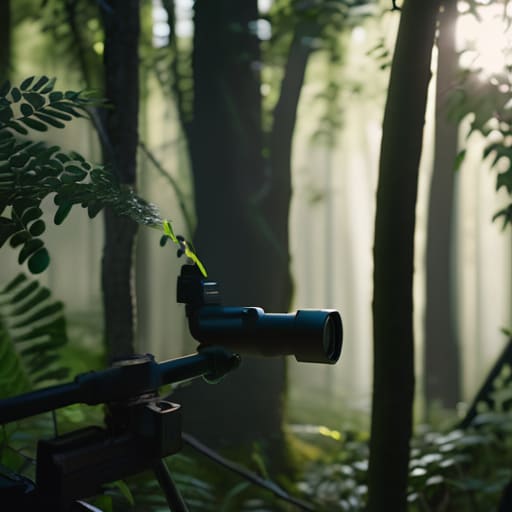
I’ve spent twenty years standing on the line, and if there’s one thing I’ve learned, it’s that people love to buy expensive toys they don’t actually know how to operate. I see it all the time: a shooter drops a small fortune on a high-end unit with laser-etched glass and ballistic calculators, only to walk away frustrated because they can’t get a consistent reading. They think learning how to use a rangefinder is as simple as pressing a button and reading a number, but they forget that environment and technique matter just as much as the electronics inside the casing. If you’re just pointing and praying, you aren’t using the tool; you’re just guessing with a fancy lens.
I’m not here to sell you on the latest marketing hype or tell you that a bigger battery makes you a better shot. What I want to do is walk you through the unspoken habits—the stuff they don’t put in the glossy manual—that actually make the gear work for you. We’re going to talk about steadying your hold, managing light interference, and making sure you aren’t chasing ghosts in the brush. I’ll show you the right way to do it, so your gear stays a tool and doesn’t become a useless paperweight.
Mastering Distance Measurement Technology Without the Fluff
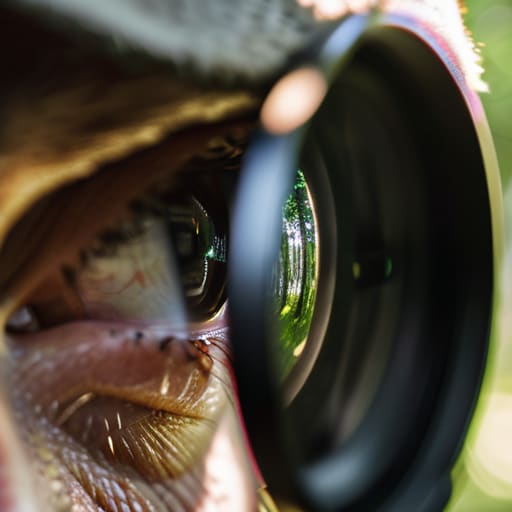
Most folks buy a piece of gear and assume the numbers on the screen are gospel truth. They aren’t. Whether you’re looking at an optical rangefinder vs laser rangefinder setup, you have to understand that you are dealing with a tool, not a magic wand. If you don’t account for understanding parallax error—that slight shift in your view when you move your eye just a hair—you’re going to end up chasing shadows. You’ll think you’re dialed in at 300 yards when you’re actually looking at 305, and in this sport, that’s the difference between a clean hit and a wasted round.
I’ve seen guys treat these devices like a video game, clicking away without checking their fundamentals. You need to be mindful of measuring distance accuracy by ensuring you have a solid, non-moving target. If you’re trying to bounce a signal off a swaying branch or a shimmering heat haze, the tech is going to lie to you. Treat the reading as a suggestion until you’ve confirmed your hold. Check your lenses, check your batteries, and for heaven’s sake, stop rushing the measurement.
The Real Difference Between Optical Rangefinder vs Laser Rangefinder

Now, you’ll hear folks toss these terms around like they mean the same thing, but they don’t. When we talk about optical rangefinder vs laser rangefinder, we’re talking about two completely different ways of seeing the world. An optical setup is basically just a high-end pair of binoculars with a way to estimate distance based on what your eye sees—usually using a reticle to guess the size of a target. It’s fine for a casual afternoon, but it relies entirely on your ability to judge scale, which is a skill that fails the moment the wind picks up or the light fades.
A laser unit, on the other hand, is a piece of precision machinery. It sends out a pulse of light and times how long it takes to bounce back. This is where you get real measuring distance accuracy instead of just a “best guess.” However, even with a laser, you have to watch out for understanding parallax error. If your eye isn’t perfectly aligned with the lens, you might think you’ve got a solid lock on a target when you’re actually off by a few yards. It’s a small detail, but in this sport, those few yards are the difference between a hit and a missed opportunity.
Five Habits to Keep Your Gear from Failing You
- Clean the glass before you ever step onto the line. I’ve seen guys try to dial in a shot through a lens smeared with fingerprint grease or dust, and they end up chasing a ghost that isn’t there. Use a proper lens cloth, not the hem of your shirt.
- Watch your battery discipline. A rangefinder that dies right when the light starts to fade is just a heavy piece of plastic in your pocket. Check your levels before you leave the truck, and always keep a spare set in your range bag.
- Learn to read the environment, not just the numbers. If you’re shooting through heavy brush or heat shimmer, that laser is going to bounce off something it shouldn’t. You have to learn when the device is lying to you because the conditions are working against it.
- Don’t forget the angle. If you’re shooting up a ridge or down into a canyon, make sure your unit is actually compensating for that slope. A flat distance reading on an angled shot is a quick way to miss a target you should have hit.
- Treat it like any other precision tool. When you aren’t using it, it goes in a hard case, not loose in a pouch where it can get knocked around. If you drop it once, you might find the internal calibration is off, and then you’re just guessing.
The Bottom Line Before You Hit the Field
Don’t let a fancy piece of glass make you lazy; a rangefinder is a tool to confirm your distance, not a replacement for your ability to read terrain and understand your ballistics.
Treat your optics like any other piece of precision machinery—keep the lenses clean, check your batteries before you leave the workbench, and never trust a reading if the glass looks smudged.
Understand the difference between what you’re seeing and what the device is telling you, because knowing whether you’re using a simple optical setup or a laser system changes how much you can rely on that single number.
Putting the Glass to Work
At the end of the day, a rangefinder isn’t some magic wand that guarantees a hit; it’s just another tool in your kit that requires a bit of discipline to use right. We’ve talked about the difference between old-school optics and modern lasers, and we’ve covered why you need to keep those lenses clean and those batteries fresh. If you treat your gear with respect—checking your settings before you ever step onto the line and verifying your readings—you’re already ahead of ninety percent of the people I see out there. Remember, the tech is only as good as the person operating it, so don’t let a bit of laziness turn a precision instrument into a useless paperweight.
I’ve spent twenty years watching shooters rely on luck, and let me tell you, luck eventually runs out. The shooters who actually enjoy this sport long-term are the ones who embrace the unglamorous parts: the maintenance, the double-checks, and the steady, methodical approach to every measurement. Use the rangefinder to build your confidence, but never let it replace your own situational awareness. Get your habits right, master your equipment, and the shooting will eventually take care of itself. Stay safe out there.
Frequently Asked Questions
How do I know if the reading I'm getting is actually accurate or if I'm just looking at a ghost image?
If you’re seeing a “ghost” or a jumpy reading, you’re likely fighting bad geometry or poor light. First, check your target. If you’re ranging a thin branch or a fence post instead of a solid trunk, that number is junk. Second, look at your glass. If the image is swimming, your hands are probably too shaky or the lens is fouled. Steady your breathing, find a solid object, and if the number keeps dancing, trust your gut and don’t pull the trigger.
What's the best way to keep the lenses clear and functional without scratching the coatings every time I take them out?
Stop using your shirt. I’ve seen enough micro-scratches on high-end glass to know that even a soft cotton tee is just sandpaper once there’s a bit of grit on it. Get yourself a dedicated lens pen and a canister of compressed air. Blow the loose dust off first—never wipe a dry, dusty lens. If you must wipe, use a clean microfiber cloth and a drop of specialized lens cleaner. Do it right, or you’re just paying for blurry views.
Is there a difference in how I should be holding the device when I'm trying to get a clean lock on a target in heavy brush?
When you’re fighting through heavy brush, you can’t just hold it out like you’re taking a snapshot. If you do, the laser is going to bounce off a leaf three feet in front of your target and give you a useless reading. You need to tuck your elbows in and try to find a “window” through the vegetation. It’s about steadying your hands to keep that beam narrow and focused on the actual object behind the mess.




