
I’ve spent twenty years standing on the line at the club, and if there’s one thing I’ve learned, it’s that people love to spend five hundred dollars on a piece of glass only to pinch pennies on the one thing that actually makes it work. I watched a guy last Saturday spend ten minutes cursing at his red dot because the reticle started flickering right when he finally found his rhythm. He thought his optic was dying, but the truth was much simpler: he’d grabbed some cheap, off-brand cells from a discount bin. Most folks think learning how to choose a battery for a sight is about finding the lowest price on a blister pack, but that’s a fast track to a dead reticle when you actually need it.
I’m not here to sell you on some high-tech, overpriced power solution that promises the moon. I just want to talk about the unglamorous stuff—the chemistry, the shelf life, and the specific voltage requirements that keep your gear reliable. I’m going to show you the practical way to handle your power sources so you can stop worrying about your electronics and start focusing on your fundamentals.
Lithium vs Alkaline for Optics Dont Guess With Your Gear

I’ve seen plenty of folks reach for the cheapest alkaline cells they can find at the local grocery store, thinking they’re saving a buck. But when you’re out in the field and the temperature drops, that’s when you find out the hard way that alkaline cells just don’t hold up. If you’re looking at lithium vs alkaline for optics, you need to understand that lithium is built for the extremes. An alkaline battery might work fine in your living room, but its low temperature battery performance is pretty much non-existent once the frost starts hitting the grass.
Beyond the cold, there is the issue of the long game. I’ve spent enough time cleaning gear to know that a leaking alkaline battery is a nightmare you don’t want to deal with. When those cheap cells fail, they often vent, and that caustic mess can eat through your contact points before you even notice the sight is dead. If you want reliable red dot sight battery life and, more importantly, battery leakage prevention, you go with lithium. It stays stable, it lasts longer, and it won’t turn your expensive optic into a paperweight because you tried to save two dollars.
Cr2032 Battery Performance What the Manual Wont Tell You

Most of you are used to seeing that little coin cell tucked into your optic, and you probably think a CR2032 is just a CR2032. But if you’ve ever been out in the field when the temperature drops, you know that’s a dangerous assumption. Most manufacturers will give you the standard specs, but they won’t tell you that low temperature battery performance is where these little cells usually fail. I’ve seen plenty of shooters staring at a dark reticle in thirty-degree weather, not because the battery is dead, but because the chemistry simply can’t keep up with the cold.
If you’re relying on a red dot for anything more than backyard plinking, you need to understand the nuances of CR2032 battery performance in real-world conditions. It isn’t just about the voltage; it’s about how consistently that voltage holds under stress. I always tell my students that if you’re heading out for a long day in the brush, don’t just trust the sticker on the box. Check your power source before you leave the bench. It’s a small habit, but it’s the difference between a successful day and a very expensive paperweight.
Five Things to Check Before You Close the Battery Cap
- Check the expiration date on the package, not just the battery itself. I’ve seen plenty of guys pull a “fresh” pack out of a drawer only to find they’ve been sitting in a humid garage for three years, losing their punch before they even hit the optic.
- Look for the “no-leak” guarantee, but don’t take it as gospel. Even the good brands can fail if they’ve been stored poorly, so if you see any white crusty stuff around the terminals when you open that compartment, toss the whole lot and clean the housing with a Q-tip and some isopropyl.
- Stick to name brands for your primary gear. You can get a bulk pack of generic cells for cheap, and they’re fine for a TV remote, but when you’re on the line and that red dot goes dark because of a cheap voltage drop, you aren’t going to be happy about the money you saved.
- Keep a spare set in your range bag, but keep them in their original packaging. I’ve watched people toss loose batteries into a pouch only to have them roll around and short out against something else; keep them sealed until the moment you actually need them.
- Match the chemistry to your climate. If you’re heading out into the cold for a winter hunt, those alkaline cells are going to struggle and die way faster than a proper lithium, so plan your power supply around the weather, not just the manual.
The Bottom Line Before You Hit the Range
Stop buying the cheap bulk packs of alkaline batteries for your red dots; if you want your sight to actually work when you’re on the line, stick to lithium.
Always keep a spare of the exact same brand and type in your range bag, because a dead optic is just a heavy piece of metal once you’ve started your session.
Check your battery contacts for any signs of leakage or corrosion during your cleaning routine, because a bad connection is just as useless as a dead cell.
Don't Let a Cheap Battery Be Your Weakest Link
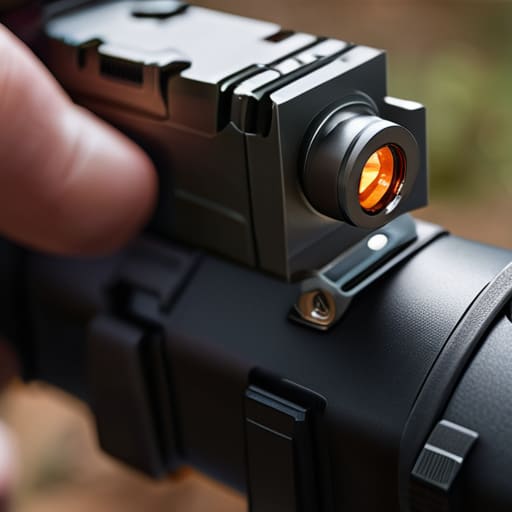
At the end of the day, choosing a battery isn’t about saving a few cents at the big-box store; it’s about knowing exactly what’s happening inside your optic when you pull the trigger. We’ve talked about why you should lean toward lithium for those long stints in the field, why you need to watch those CR2032 voltage curves, and why guessing is a habit you can’t afford. If you’re running alkaline in a high-drain red dot, you aren’t just being cheap, you’re being unreliable. Stick to the specs, check your contacts for any signs of leakage, and make sure you have a fresh, high-quality backup tucked away in your range bag.
I’ve stood on the firing line long enough to see plenty of good shooters lose a match—or worse, lose their confidence—because a piece of equipment failed them at the worst possible moment. Most people focus all their energy on the trigger press or the stance, but the real pros know that reliability starts with the small, unglamorous details. Taking five minutes to verify your power source is just part of doing things the right way. Get the boring stuff right, and you’ll find that the shooting takes care of itself.
Frequently Asked Questions
Is it actually safe to mix an old battery with a new one in the same compartment?
Short answer: No. It’s a bad habit, and in my experience, it’s a habit that leads to leaks. When you mix a fresh battery with an old one, they don’t discharge at the same rate. That creates a voltage imbalance that can force the weaker cell to leak acid right into your electronics. If you’re going to swap one, swap them both. It’s a small price to pay to keep your optic from becoming a paperweight.
How often should I be swapping out my batteries even if the red dot still seems to be working?
Don’t wait for the dot to flicker or fade before you act. If it’s dimming, you’re already too late. I tell folks to treat batteries like brass on the range: if you’ve used it, check it. For most of my students, I recommend a swap every six to twelve months, regardless of what the indicator says. It’s much better to waste a good battery than to find out it’s dead when you’re actually on the line.
Will using a high-end lithium battery actually help my battery life, or is it just a waste of money?
It’s not a waste, but you have to understand what you’re paying for. A high-end lithium isn’t going to make your reticle brighter, but it will keep it from dying when the temperature drops on a morning hunt. If you’re sitting in a climate-controlled garage, save your money. But if you’re out in the field, that extra few bucks buys you reliability. I’d rather spend the money on the battery than a new optic.




