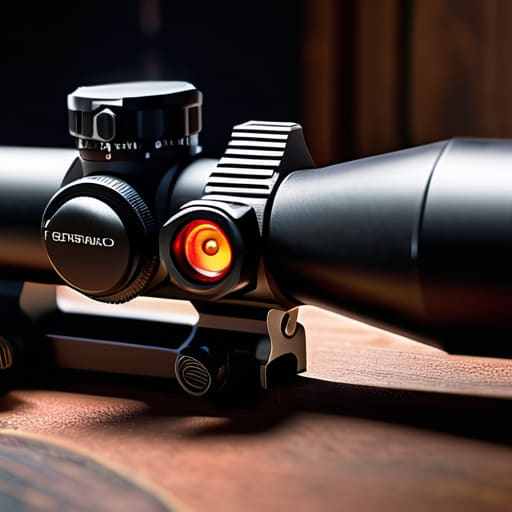
I’ve spent twenty years standing on the line, and I’ve seen plenty of folks spend two thousand dollars on a high-end optic only to treat it like a piece of junk once it leaves the box. Most people think they need some fancy, specialized cleaning kit or a degree in electrical engineering to keep their glass working, but that’s just marketing noise. The truth about how to maintain a battery powered sight isn’t found in a glossy manual; it’s found in the small, boring habits you do before you even pack your range bag. I’ve watched too many shooters lose a perfect shot because they were too lazy to check a simple contact point, and frankly, it’s a waste of good brass.
I’m not here to sell you on expensive gadgets or complicated checklists that you’ll never actually use. My goal is to walk you through the unglamorous, essential routines that ensure your electronics are ready when the pressure is on. We’re going to talk about battery leakage, contact integrity, and the simple checks that keep your gear from failing you at the worst possible moment. Get these basics right, and you won’t have to worry about your equipment when it’s time to actually pull the trigger.
Cleaning Battery Contact Points for Reliable Power

When you pop that battery cap off, don’t just swap the old cell for a new one and call it a day. I’ve seen too many folks pull a dead battery out, toss a fresh one in, and wonder why their reticle is flickering halfway through a string of fire. Most of the time, it isn’t the battery itself; it’s the buildup on the terminals. Even a tiny bit of oxidation or a fingerprint’s worth of oil can create enough resistance to cause issues.
Take a Q-tip dipped in a little isopropyl alcohol and get in there. You’re cleaning battery contact points to ensure that connection is bright, clean, and solid. If you see any white, crusty residue, you’re looking at the early stages of corrosion. Catching that now is the best way to focus on preventing battery leakage in optics, which can turn a reliable piece of gear into a very expensive paperweight. A quick wipe once a season keeps the path clear so the power actually goes where it’s supposed to.
Optical Sight Battery Life Tips You Cant Ignore
If you’re waiting until the dot starts flickering to think about your power source, you’ve already lost the battle. I’ve seen too many folks pull a rifle out of the safe only to find a dead reticle right when they needed it most. One of the most important optical sight battery life tips I can give you is to stop treating batteries as “set it and forget it” components. If you aren’t using your optic regularly, don’t leave a battery inside it. It sounds simple, but it’s the best way to handle preventing battery leakage in optics, which is a mess no one wants to deal with during a cleaning session.
Beyond just the cells themselves, you have to consider the environment. If you’ve been out in a damp field or a humid basement, that moisture is looking for a way into your housing. Protecting electronics from humidity isn’t just about a waterproof rating; it’s about making sure you dry your gear off properly before it goes back into the case. A little bit of condensation trapped near the battery compartment can do more damage over time than a hundred rounds downrange ever could.
Five Habits to Keep Your Glass From Going Dark
- Stop using whatever cheap batteries you found in the junk drawer; buy a reliable brand and stick to it, because inconsistent voltage is a fast track to a dead reticle mid-string.
- Check your battery compartment for any sign of white crust or corrosion every time you clean the optic, because once that acid starts eating the terminals, you’re looking at a much bigger problem than just a dead cell.
- If you’re putting your gear away for the season, pull the batteries out entirely; it’s a simple step, but leaving them in is an invitation for a leak that’ll ruin a perfectly good sight.
- Get into the habit of doing a quick function check on your red dot before you even load your magazines; I’ve seen too many people realize their sight is dead only when they’re actually on the firing line.
- Keep a spare set of cells in your range bag, but keep them in a dedicated, dry pouch rather than loose in a pocket where they can rattle around or get exposed to moisture.
The Bottom Line on Sight Reliability
Don’t wait for the reticle to flicker mid-string; swap your cells before you pack the gear for the range.
Treat your battery compartment like a precision part—keep it dry, keep it clean, and never force a cell that isn’t seated right.
Reliability isn’t about the gear you buy, it’s about the maintenance routine you actually stick to when nobody is watching.
The Last Check Before the Line
At the end of the day, maintaining your optics isn’t about doing anything fancy; it’s about the small, repetitive tasks that keep the gear from failing when you actually need it. Keep your contact points clean of any grit or corrosion, and never—and I mean never—leave a fresh set of cells in a scope you aren’t going to use for a few months. If you take care of the cleaning and make it a habit to swap those batteries before they actually die, you’ve already eliminated half the headaches I see on the Saturday morning line. It’s about eliminating the variables so that when you pull that trigger, the only thing you have to worry about is your fundamentals.
I’ve seen plenty of good shooters lose a match or, worse, lose their confidence because their equipment let them down at the worst possible moment. A piece of glass is only as good as the reliability behind it. Don’t wait for a red dot to flicker out mid-string to realize you should have checked your gear. Treat your maintenance like you treat your safety checks: make it a reflex. If you get the unglamorous stuff right, the shooting part tends to take care of itself.
Frequently Asked Questions
Is there a specific type of contact cleaner I should use, or is a dry cloth enough to get the job done?
A dry cloth is fine for dust, but if you’re seeing any white crust or oxidation, you’ll need something a bit more intentional. Don’t go grabbing a heavy-duty industrial degreaser from the machine shop; that stuff is too aggressive for delicate electronics. Grab a dedicated, quick-drying electronic contact cleaner. A tiny bit on a Q-tip is plenty. Just make sure it’s completely dry before you pop a fresh battery in. We want connection, not a mess.
If I’m storing my rifle for the season, is it better to leave the batteries in or pull them out to prevent leaking?
Pull them out. Every single time. I’ve seen enough corroded battery terminals to know that “long-term storage” and “leaving batteries in” don’t belong in the same sentence. Even if a manufacturer says they won’t leak, nature has a way of proving them wrong. It’s a five-second habit that saves you from a hundred-dollar mistake. Take the batteries out, put them in a small plastic case, and store them separately. Don’t risk it.
How can I tell if a battery is actually dying versus just having a poor connection with the terminals?
It’s a common headache. If the red dot flickers or dies when you bump the rifle, you’ve got a connection issue—usually grit or oxidation on the terminals. But if the brightness just fades out slowly or the reticle gets dim across the whole field of view, that’s the battery telling you it’s spent. Don’t guess. Clean the contacts first; if it still acts up, swap the cells. Better to replace a cheap battery than lose a shot.




