I’ve spent enough Saturday mornings on the line to see plenty of shooters get frustrated, staring through a high-magnification scope at a target they can’t quite reach, convinced their optic is broken. They think they need a fancy new piece of glass or a more expensive load, when the truth is they just don’t know how to use a ballistic turret with any real discipline. I remember a guy last summer—good kid, decent rifle—who spent forty minutes cranking his dials like he was tuning a radio, only to find he’d been fighting his own math the whole time. He wasn’t missing because of his aim; he was missing because he was chasing zeros instead of following a process.
In this guide, I’m going to skip the marketing fluff and get down to the brass tacks of what actually works. We’re going to walk through the mechanical reality of dialing for elevation, how to properly track your clicks, and why you need to stop guessing once you leave the bench. I’ll show you the methodical way to bridge that gap between your zero and your long-range target so you can stop fighting your equipment and start actually shooting.
Guide Overview
Tools & Supplies
- Ballistic turret (The primary device being operated)
- Binoculars or spotting scope (For long-range target identification)
- Target (1 or more)
- Rangefinder (1 unit)
Step-by-Step Instructions
- 1. Before you even touch those dials, you need to make sure your rifle is actually zeroed at your baseline distance. I’ve seen folks try to dial for a 500-yard shot when they haven’t even confirmed their zero at 100 yards. If your foundation is shaky, every click you make on that turret is just going to be a waste of time and lead.
- 2. Get your data right by using a reliable ballistic calculator. Don’t guess your muzzle velocity or your scope height; if you put garbage numbers into the app, you’re going to get garbage results out on the range. Take a few shots, find your actual velocity, and make sure you’re accounting for the specific weight of the bullet you’re actually running.
- 3. Now, look at your target and determine the difference between your zero and the distance you’re shooting. Most turrets use “MOA” or “MRAD” clicks, so you need to know exactly which one you’re working with. I always tell people to double-check the markings on the turret cap before they start cranking, because if you mistake MRAD for MOA, you’re going to be chasing shots all afternoon.
- 4. Once you have your math, start your adjustments. Turn the turret in the direction indicated—usually “Up” for elevation—and do it with a steady hand. I like to count the clicks out loud to myself as I go. It sounds a bit old-school, but it’s the best way to ensure you don’t lose your place if someone interrupts you or a dog starts barking nearby.
- 5. After you’ve made your adjustment, you need to verify it with a “confirmation shot.” Don’t just assume the turret moved exactly how you intended. Fire a single round at your new distance and watch the impact. You aren’t looking for a perfect bullseye right away; you’re looking to see if the point of impact moved in the direction you expected.
- 6. If you’re still off, don’t get frustrated and start over from scratch. Just treat the remaining distance as a new problem and adjust from where you are. It’s a process of incremental corrections. If you try to jump too far in one go, you’ll likely overshoot your mark and end up spinning that turret in circles.
- 7. Finally, once you’ve found your mark, take a moment to clean the turret. If you’ve been out in the dust or the rain, a little grit can get inside those adjustment housings. A quick wipe down with a clean cloth ensures that the mechanics stay smooth for your next trip to the range. A turret that sticks is a turret that lies to you.
Dialing in Moa and Mil the Precision Habits You Need
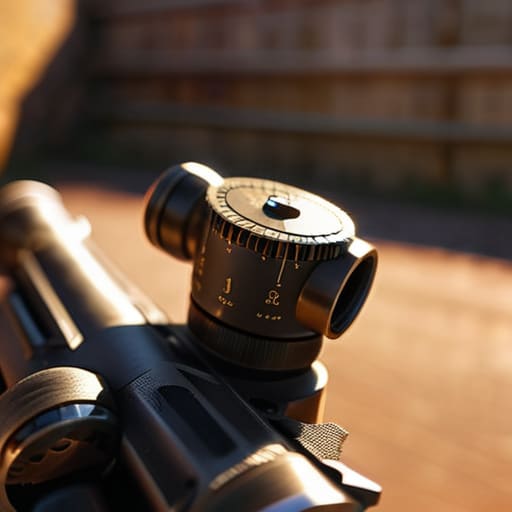
Most folks get a high-end optic and think the math is handled for them, but you have to respect the difference between MOA and MIL. I’ve seen too many shooters treat their turrets like a volume knob on a radio—just twisting until they hit the mark. That’s not how it works. When you’re dialing in MOA and MIL, you aren’t just moving a dial; you are accounting for the physical reality of a bullet’s flight path. If you mix your units up, you’re going to be chasing shadows at a hundred yards, and you won’t even know why you’re missing.
Before you start adjusting scope elevation for a long-range shot, make sure you actually know what your turret is telling you. I always tell my students to write down their clicks on a piece of tape or a notebook. Don’t rely on your memory when the wind starts picking up. Precision is a habit of documentation, not just a steady hand. If you don’t track your adjustments, you’ll end up overcorrecting and making the same mistake twice. Take your time, do the math twice, and then dial it in.
Optical Sight Calibration Why Small Adjustments Matter Most
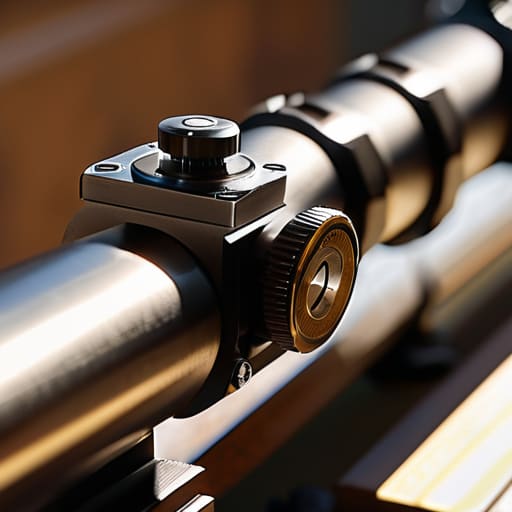
Most folks think that once they’ve got their zero set, the hard work is done. They see those turrets and think they’re just there to make math easier, but they forget that a turret is only as good as the foundation it sits on. If your mounts aren’t torqued right or your eye relief is shifting every time you breathe, you’re just chasing ghosts. I’ve seen plenty of shooters spend an hour adjusting scope elevation only to realize their base was slightly off. You have to treat the mechanical connection between the rifle and the glass with as much respect as the shot itself.
When you’re performing your optical sight calibration, remember that even a tiny amount of play in the turret can ruin a long-range grouping. It isn’t just about clicking the dial; it’s about the consistency of the movement. If you feel any grit or hesitation when you turn that knob, stop. Don’t just force it. A turret that doesn’t move smoothly is a turret that will lie to you when you’re trying to compensate for a hundred-yard drop. Get the mechanics solid first, or the math won’t mean a thing.
Five Habits to Keep Your Dialing from Going Sideways
- Mark your zero before you touch a thing. I’ve seen enough folks spin a turret three full rotations only to realize they didn’t know where “zero” actually was. Use a scribe or a tiny piece of tape to mark that starting point. If you don’t know where you started, you don’t know where you’re going.
- Stop chasing the wind with the turret. If you’re dialing for windage, make sure you’re actually reading the mirage or the grass, not just guessing because the shot felt “off.” You dial for data, not for feelings.
- Double-check your direction. It sounds simple, but even the best shooters get turned around when they’re tired or cold. Up is up, right is right—verify your clicks against the markings on the turret before you commit to a long-range shot. There’s no sense in dialing two MOA right when you needed two MOA left.
- Don’t over-torque the caps. Those turrets are precision instruments, not heavy machinery. If you’re cranking the adjustment caps so hard your knuckles turn white, you’re asking for internal damage. Tighten them until they’re snug, then stop.
- Clean the tracks. If you’ve been out in the dust or the rain, that turret is going to get grit in the mechanism. A little bit of dirt in the threads can turn a smooth adjustment into a jumpy, unreliable mess. Wipe it down after every range session; it’s the unglamorous part, but it’s what keeps the gear working when the pressure is on.
The Bottom Line on Turret Discipline
Treat your turret like a precision instrument, not a knob on a kitchen stove; small, deliberate clicks are always better than heavy-handed cranking.
Keep a written log of your adjustments, because your memory will fail you the moment you’re actually out in the field under pressure.
Never assume your zero is permanent; make it a habit to double-check your mechanical zero after every long haul or significant temperature shift.
Getting It Right the First Time
At the end of the day, using a ballistic turret isn’t about fancy math or having the most expensive glass on the range. It’s about the discipline to do the small things correctly: verifying your zero, understanding the difference between your MOA and MIL clicks, and never rushing the adjustment. I’ve seen too many folks crank those turrets halfway through a string of fire because they were impatient, only to find they’ve chased their own zero right out of the group. If you take the time to dial it in carefully and double-check your math before you pull the trigger, you aren’t just guessing anymore; you’re executing a process.
I spend a lot of my time looking at old rifles that were neglected, and it taught me that precision is a byproduct of respect. You respect the tool, you respect the physics, and you respect the procedure. A turret is just a mechanical aid, but it only works if the person behind it has the patience to use it right. Don’t go out there trying to be a hero with a long-distance shot if you haven’t mastered the boring stuff first. Get your fundamentals solid, keep your adjustments methodical, and the results will follow every single time.
Frequently Asked Questions
If I’m dialing for windage, how do I know if I’ve overcorrected or undercorrected after the first shot?
You look at the impact, not the wind. If you’re dialing for a crosswind and your shot lands left of where you intended, you didn’t dial enough. If it lands right, you went too far. Don’t guess based on how the wind “feels”—wind is a liar. Watch the hole, see the deviation, and adjust your turret by that specific margin. It’s just math and observation. Keep it methodical.
Is it better to zero my scope at 100 yards and dial from there, or should I be setting my zero at a longer distance?
Look, there’s no single “correct” answer, but there is a right way to do it. For most folks, I recommend a solid 100-yard zero. It’s predictable, it’s easy to verify, and it gives you a reliable baseline. If you try to zero at 300 or 500 yards right out of the gate, you’re just inviting variables to mess with your math. Get that 100-yard foundation rock solid first. Once that’s dialed, then you start working the turret.
Do I need to worry about the turret "tracking" poorly if I’m constantly cranking it back and forth during a single session?
You’re asking the right question. If you’re cranking that turret back and forth like you’re trying to win a prize at a carnival, you’re asking for trouble. Most decent glass handles a few adjustments, but constant, frantic dialing can lead to “tracking error”—where the point of impact doesn’t match what the turret says. It’s about mechanical fatigue and internal play. Dial it, verify it, and leave it be. Don’t chase the adjustment; let the adjustment work.




