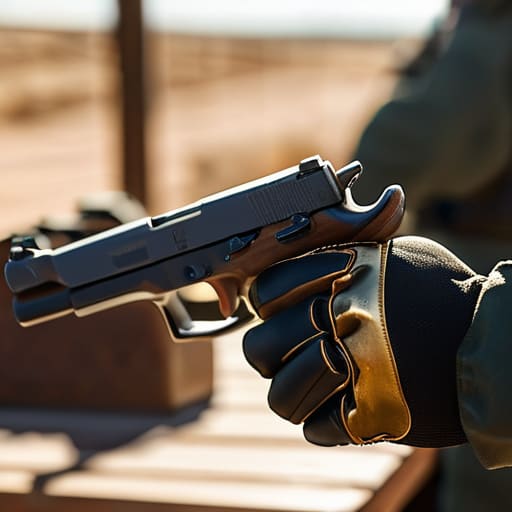
I’ve spent twenty years standing on the line at the same club, and if there’s one thing I’ve learned, it’s that people tend to overthink the simple stuff. I see folks arrive with $2,000 custom builds and enough tactical gear to outfit a small militia, but the moment I call a cease-fire, they freeze up like they’re trying to solve a calculus equation. They treat how to respond to a range command like it’s some complex tactical maneuver they learned from a movie, when in reality, it’s just about unthinking discipline. I’ve watched plenty of well-meaning shooters hesitate just long enough to turn a controlled environment into a chaotic one, and that hesitation is exactly where the trouble starts.
I’m not here to give you a lecture or a list of fancy acronyms you’ll forget the second you step onto the dirt. What I want to do is strip away the noise and talk about the muscle memory you actually need to stay safe. I’m going to show you the mechanics of how to move, how to clear, and how to listen, so that when the command comes, your body reacts before your brain even has to ask why. We’re going to focus on the boring, repetitive habits that keep everyone on that line safe and accounted for.
Listening Beyond the Noise Range Officer Verbal Commands
When I’m standing downrange, I’m not just listening for the words; I’m listening for the tone. There’s a specific weight to the way a range officer delivers a command when things are going according to plan, and a very different, sharper edge when they aren’t. You need to learn to distinguish between the routine cadence of a drill and the sudden, clipped urgency of a cease fire procedure. If you’re too busy adjusting your grip or debating your last shot to hear that shift in volume, you’ve already missed the most important part of your job.
Part of proper shooting range etiquette is realizing that your ears aren’t just for hearing the shot; they are your primary safety tool. I’ve seen plenty of folks get tunnel vision, focusing so hard on the target that they tune out the world around them. But range officer verbal commands aren’t suggestions or polite requests. They are the boundaries of your environment. When that command hits the air, your focus needs to snap from the sights to the instruction immediately. It’s about discipline, plain and simple.
The Cease Fire Procedure When Seconds Save Lives
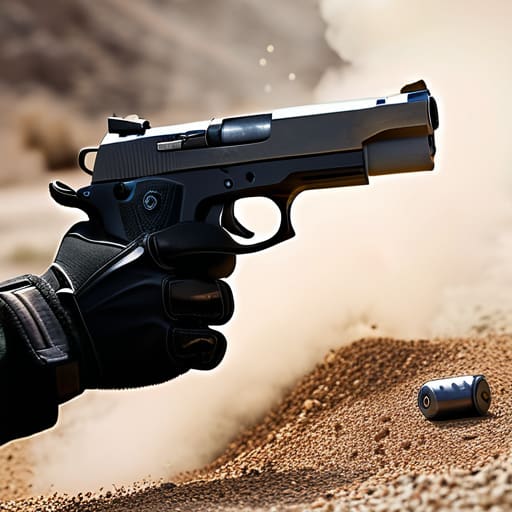
When I yell “Cease Fire,” I’m not asking for your attention; I’m demanding your immediate, undivided focus. In my twenty years on the line, I’ve seen people hesitate because they were mid-cadence or trying to finish a string of shots. That hesitation is where the danger lives. The moment that command hits your ears, you stop everything. Do not look around to see why I’m shouting. Do not wait to see if the person next to you heard it. You treat a cease fire like a sudden breach in a dam—you stop the flow immediately.
The procedure is simple, but it requires discipline: stop firing, keep the muzzle pointed downrange, and wait for further instructions. I don’t care if you were one shot away from a perfect grouping. You keep your finger off the trigger and your eyes on your target until I tell you otherwise. Following these firearms safety protocols isn’t about being a stickler for the rules; it’s about ensuring that when the unexpected happens, everyone on that line has the muscle memory to react before a mistake becomes a tragedy.
The Five Habits of a Disciplined Line
- Stop what you are doing immediately. When a command is given, your eyes shouldn’t be looking for your next target or checking your grouping; they should be looking for the person who gave the order. If you’re mid-shot, let the trigger reset and freeze.
- Master the “Muzzle Discipline” during transitions. If the command is “Cease Fire,” don’t just stop pulling the trigger; point that barrel at the backstop or the ground immediately. I’ve seen too many folks freeze up and leave a muzzle wandering while they try to process what they heard.
- Keep your hands visible and your movements predictable. If you need to clear a malfunction or move to a holster because of a command, do it with intention. Don’t fumble or make sudden, jerky movements that make the person next to you wonder if you’ve lost control of your firearm.
- Listen for the “Why” without asking “Why.” You don’t need to know if it’s a medical emergency or a stray round hitting the berm to react correctly. The reason doesn’t matter in the moment; the command is the only thing that exists. Save the questions for the debrief when the line is cold.
- Verify your status before you move. Once the command is given and you’ve followed the immediate steps, take a second to physically and visually confirm your firearm is in the state the command required—magazine out, chamber empty, action open. Don’t just assume you did it right because you were in a hurry.
The Bottom Line on Range Discipline
Treat a command like a physical barrier; when you hear it, your current action stops immediately, no matter how good your last shot felt.
Silence is your best tool on the line, because if you’re talking, you aren’t listening, and if you aren’t listening, you’re a liability to the person standing next to you.
Safety isn’t about following rules to avoid a reprimand; it’s about building the muscle memory so that when things get chaotic, your hands move before your brain even has to think about it.
The Discipline of the Line
At the end of the day, responding to a command isn’t about memorizing a list of rules; it’s about developing a reflexive response to authority. Whether you’re hearing a Cease Fire or a Range is Hot, the goal is the same: stop what you are doing, listen to the direction, and execute the movement without hesitation. You’ve got to treat every command like it’s the one that matters most, because in a crowded environment, complacency is the only thing that actually causes accidents. If you can master the transition from shooting to a safe state without needing to think about it, you’ve already done the hardest part of being a responsible shooter.
I’ve spent twenty years standing on these lines, and I can tell you that the best shooters aren’t always the ones with the tightest groups or the fastest splits. The best shooters are the ones I can trust to keep their heads on a swivel and their hands moving correctly when things get chaotic. Shooting is a privilege that relies entirely on our ability to maintain disciplined habits even when we’re tired or distracted. Get the commands right, respect the person calling them, and you’ll find that the sport becomes a whole lot more rewarding. Master the basics, and the rest will follow.
Frequently Asked Questions
What do I do if I'm in the middle of a complex drill and the range officer calls a cease fire?
Stop what you’re doing immediately. I don’t care if you’re halfway through a reload or tracking a tight grouping; the drill is over. Stop the timer, keep your muzzle pointed downrange, and let your finger stay straight and clear outside the trigger guard. Don’t start clearing your action or looking for brass until I give you the next command. We aren’t rushing to finish the drill; we’re rushing to stay safe.
If I mishear a command because of the noise on the line, should I keep going or stop immediately?
If you aren’t 100% sure what was said, you stop. Period. You don’t wait for clarification, and you don’t ask your neighbor what they heard. You treat every moment of uncertainty like a Cease Fire. I’ve seen people try to “power through” a command they thought they heard, and that’s exactly when things go sideways. If the air is too loud to be certain, your finger goes off the trigger and your muzzle goes to the dirt.
Is there a difference in how I should respond to a command when I'm shooting a single rifle versus working with a group?
The mechanics of the response don’t change, but your awareness has to. If you’re solo, it’s just you and the command. If you’re in a group, you are responsible for the person to your left and right. You don’t just stop; you make sure the person next to you has heard it, too. In a group, a single person ignoring a command isn’t just a mistake—it’s a threat to everyone on that line.




