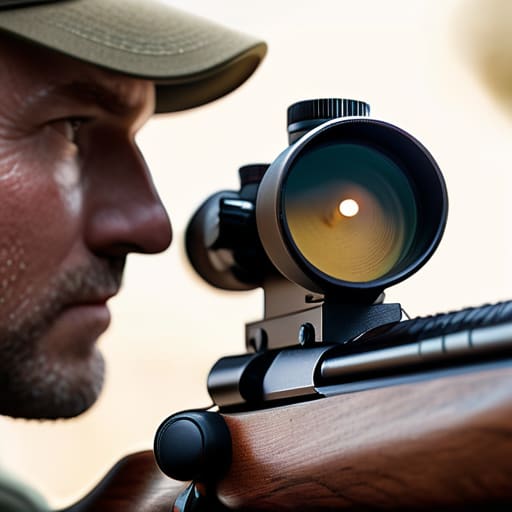
I’ve seen it a thousand times on a Saturday morning: a shooter spends six hundred dollars on a high-end optic, mounts it with precision, and then spends the next hour fighting their own rifle. They’re squinting, tilting their head, or worse, taking a heavy blow to the brow because they didn’t take the five minutes to figure out how to set eye relief properly. Most of the gear catalogs will try to sell you a complicated math equation or a specialized tool to solve this, but that’s just noise. In my twenty years on the line, I’ve learned that eye relief isn’t about fancy gadgets; it’s about understanding your own body and how it interacts with the steel in your hands.
I’m not here to give you a theoretical lecture or a list of expensive accessories you don’t need. I’m going to show you the practical, repeatable way to get your eye positioned so you actually see a full field of view without the fear of a bruised face. We’re going to focus on the unseen margin—the small, procedural checks that ensure your optic works for you instead of against you. Get this right, and the shooting part becomes a whole lot easier.
Preventing Scope Eye Injury Before It Happens
You don’t want to learn this lesson from the feeling of a heavy recoil impulse slamming your eyebrow into glass. Most folks think a bruised face is just part of the sport, but it’s usually just a failure of preparation. Preventing scope eye injury starts long before you pull the trigger; it starts when you’re sitting at your workbench. If you’re mounting a new optic, you need to be mindful of your scope ring height and eye relief from the jump. If those rings are too low, you’ve essentially built a trap for yourself, and no amount of awkward neck stretching will fix a setup that’s fundamentally flawed.
I’ve seen too many shooters try to “make it work” with gear that doesn’t fit their anatomy. If you find yourself squinting or seeing a dark ring around the edges of your view, don’t just push through it. That’s your signal that your eyepiece distance for shooting accuracy is off. Take the time to move the rings or swap to spacers. It’s much easier to spend ten minutes adjusting your mounting distance now than it is to spend a week icing a black eye.
Riflescope Ocular Lens Adjustment for Real World Use
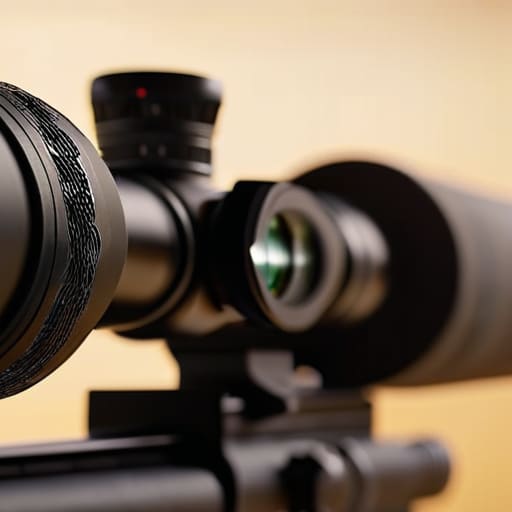
Now, most folks think once the scope is in the rings, the job is done. That’s where they trip up. You can have the most expensive glass on the market, but if your riflescope ocular lens adjustment is off, you’re just looking at a blurry mess or, worse, a dark ring around the edges of your view. I’ve seen too many shooters try to compensate for a bad setup by cranking their heads into weird positions, which ruins your cheek weld and throws your accuracy right out the window.
When you’re at the bench, don’t just sit there and squint. Get into your natural shooting position—shoulders set, cheek down—and look through the glass. If you see a black halo creeping in, you aren’t quite there yet. You need to twist that eyepiece until you get a full, clear field of view. It’s about finding that sweet spot where you have enough clearance to avoid a headache, but enough proximity to minimize scope shadow effect. It isn’t about being perfect on the first try; it’s about making sure that when the recoil hits, your eye stays exactly where it belongs.
Five Ways to Stop Fighting Your Optic
- Stop using the “static” method. Don’t just sit in a chair and look through the glass. Get into your actual shooting position—whether that’s prone in the dirt or standing at a bench—and find where your eye naturally lands. If you set your relief while sitting upright, you’re going to be too close to the lens the second you actually shoulder the rifle.
- Check your recoil impulse, not just your sight picture. I’ve seen plenty of guys get a perfect clear image, only to have the rifle jump back and slam the ocular lens right into their brow. If you’re shooting a heavy-recoiling caliber, give yourself more breathing room than you think you need. That extra half-inch of clearance is your insurance policy against a black eye.
- Account for your face’s “geometry.” We aren’t all built the same. If you have a prominent nose or a specific way you tuck your cheek against the comb, that’s going to dictate your eye relief. Don’t try to force your face to match the scope; move the scope to match your face.
- Use a consistent cheek weld every single time. If you’re hunting or shooting competition, you can’t be guessing where your eye is. You need to build a muscle memory where your head drops into the exact same spot on the stock. If your cheek weld is sloppy, your eye relief will be inconsistent, and your shot will be inconsistent along with it.
- Test it under actual recoil conditions. I tell people all the time: a scope that looks fine while you’re staring at it on the workbench is a different animal when it’s actually firing. Take a few dry runs or use a dummy round to simulate the kick. If you feel even a hint of the scope moving toward your eye, back it out further. Better to have a little too much space than not enough.
The Bottom Line on Eye Relief
Don’t guess your distance; use a consistent cheek weld to find where your eye naturally sits, then set your scope to that specific spot every single time.
Always err on the side of too much distance rather than too little; a little extra space is a minor inconvenience, but a scope hitting you in the orbital bone is a trip to the ER.
Test your setup under recoil before you get into the heat of a match or a hunt, because what feels fine on a dry bench can change fast when the rifle starts jumping.
The Final Check
At the end of the day, setting your eye relief isn’t some complicated math problem or a way to squeeze an extra fraction of an inch out of your grouping. It’s about the basics: checking your distance while you’re still in a controlled environment, ensuring your cheek weld is consistent, and never assuming the setup you used last season is still right for the rifle you’re holding today. If you take the time to get that ocular lens positioned correctly, you aren’t just protecting your vision from a heavy recoil impulse; you’re removing the guesswork. When you stop worrying about whether a black ring is going to bloom in your field of view, you can finally stop thinking about the glass and start thinking about the target.
I’ve stood on the line long enough to see plenty of folks rush through their setup because they’re eager to get the first round downrange. They skip the small stuff, and eventually, the small stuff catches up to them. My advice is to treat these little adjustments with the same respect you give the firearm itself. It might feel tedious when you’re just trying to get through a Saturday morning session, but discipline in the small things is what separates a marksman from someone who’s just playing with expensive gear. Get your eye relief right, keep your habits tight, and the rest of the sport will follow.
Frequently Asked Questions
If I'm shooting from a prone position versus standing, do I need to adjust my eye relief every time I change my stance?
Short answer: Yes. You absolutely have to. When you drop down into a prone position, your cheek weld changes, and your whole body geometry shifts relative to the rifle. If you try to force the same eye relief you had standing, you’re going to end up with a scope strike right against your orbital bone. Don’t get lazy. Every time your physical relationship to the stock changes, re-verify that your eye is sitting exactly where it needs to be.
I've got a bit of a heavy recoil with this setup; should I set my eye relief further out than what feels comfortable just to be safe?
Listen, I’ve seen too many people try to “outsmart” recoil by backing off until the picture looks like it’s through a cardboard tube. Don’t do that. If you’re too far out, you’ll lose your sight picture the moment the rifle moves, and you’ll end up fighting the gun instead of shooting it. Find the sweet spot where you have a full field of view, then add just a hair of breathing room. Set it for the recoil, not for a guess.
How can I tell if I'm actually getting a full field of view, or if I'm just squinting hard enough to think I am?
Here’s the thing: if you’re squinting, you’ve already lost. You’re fighting the glass instead of using it. To tell if you’re actually dialed in, move your head slightly side-to-side and up-and-down while looking through the scope. If the black ring around your view starts dancing or closing in, your eye relief is off. You want that picture to stay centered and wide, even when you move. If it’s shrinking, back off the scope.




