I’ve spent twenty years standing on the line at the club, and if there’s one thing I’ve learned, it’s that people love to overcomplicate the simple stuff. You’ll see guys walking into the shop looking for the most expensive, tactical-looking goggles that cost more than a decent cleaning kit, thinking that price tag equals safety. They think they need some high-tech, military-grade setup just to hit some clays or run a few rounds through a handgun. But when it comes to learning how to choose eye protection for shooting, the truth is a lot less flashy. Most of that high-end gear is just marketing fluff designed to separate a fool from his money, and frankly, most of it won’t even stay seated on your face when the recoil hits.
I’m not here to sell you on a brand or a lifestyle; I’m here to tell you what actually works when things go sideways. I’m going to break down the few things that actually matter—fit, clarity, and impact rating—without the sales pitch. We’re going to look at the practical side of how to choose eye protection for shooting so you can stop worrying about your gear and start focusing on your fundamentals.
Why Ansi Z871 Ballistic Standards Are Your Only Real Insurance
When you’re looking at a rack of eyewear, it’s easy to get distracted by how much they cost or how much they look like something a SWAT team member would wear. But I’ve seen enough brass fly and enough primer fragments pop to tell you that fashion doesn’t matter when something hits your face. You need to look for the stamp. If those glasses don’t meet ANSI Z87.1 ballistic standards, they aren’t actually protecting you; they’re just decorating your face.
I’ve had guys come to the line wearing cheap sunglasses they picked up at a gas station, thinking they were fine because they were dark. That’s a mistake I can’t stress enough. Those lenses lack the ballistic impact resistance required to stop a piece of lead or a fragment of a blown primer. A real pair of shooting glasses is designed to deform and absorb energy rather than shattering into your eyes. It’s the difference between a minor nuisance and a life-altering injury. Don’t gamble on anything that hasn’t been tested to that specific standard.
Polycarbonate Lens Durability the Difference Between Seeing and Not Seeing
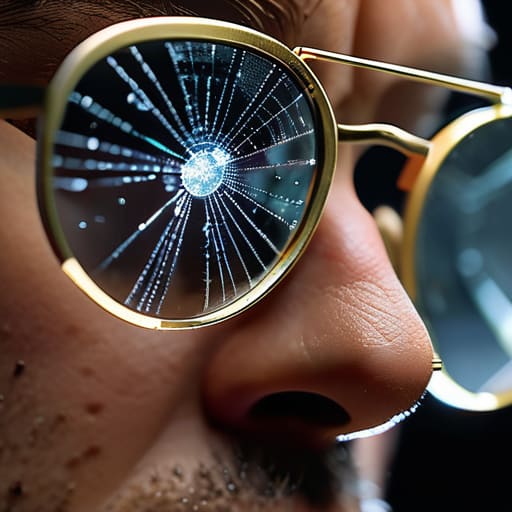
Most folks think as long as the plastic is clear, they’re good to go. That’s a mistake I’ve seen play out on the line more than once. You aren’t just protecting against a stray piece of brass bouncing off a steel target; you’re looking for ballistic impact resistance. Cheap, off-the-shelf safety glasses from a hardware store might stop a pebble, but they won’t hold up when a primer decides to go sideways or a fragment of a jacketed round finds its way toward your face.
This is where polycarbonate lens durability actually matters. Real polycarbonate is designed to deform and absorb energy rather than shattering into a thousand tiny needles that finish the job the projectile started. I’ve seen guys invest in high-end frames only to realize they bought lenses that scratch if you look at them wrong. Once a lens is pitted or scratched, your vision gets muddy, and a muddy view is just as dangerous as no view at all. If you can’t see the front sight clearly because your gear is beat up, you’re going to start making mistakes—and in this sport, mistakes are how accidents happen.
Five Things to Check Before You Head to the Line
- Look for the fit, not just the brand. If your glasses are sliding down your nose every time you sweat or nod your head, you aren’t going to wear them consistently. If they aren’t comfortable, they’ll end up in your range bag instead of on your face, and that’s when things go wrong.
- Check the seal around your temples. A lot of these cheap “tactical” glasses have huge gaps on the sides. You don’t need a full gas mask, but you do need something that keeps a stray fragment from taking a shortcut behind the lens.
- Don’t ignore the fog factor. I’ve seen plenty of guys buy high-end ballistic lenses only to spend the whole session lifting them up because they’ve fogged over. If you’re breathing hard or it’s a humid morning, get something with actual ventilation or an anti-fog coating.
- Make sure they work with your other gear. If you wear prescription glasses, you either need dedicated ballistic prescription frames or high-quality over-the-glass (OTG) models. Don’t try to “make it work” by wearing your reading glasses under a pair of safety goggles; that’s a habit that leads to accidents.
- Evaluate the lens tint for your environment. Clear is your best bet for indoor work or low light, but if you’re out on the clays course in the midday sun, you’ll want something that cuts the glare without distorting your depth perception. Pick a lens that helps you see the target, not one that makes you squint.
The Bottom Line on Protecting Your Vision
Stop looking for “cheap” and start looking for the Z87.1 stamp; if it doesn’t have that rating, it’s just a pair of sunglasses that happens to be on your face.
Prioritize polycarbonate lenses that won’t turn into a scratched mess after one afternoon of cleaning your gear, because if you can’t see clearly, you can’t shoot safely.
Make sure your eyewear actually fits your face and stays put when you’re moving, because gear that slips down your nose is gear that isn’t doing its job when it matters.
Making the Right Call
At the end of the day, picking out eye protection comes down to two things: the standard and the fit. You can find the most expensive pair of glasses in the shop, but if they aren’t ANSI Z87.1 rated, they’re just fashion accessories that won’t do a lick of good when a primer decides to pop or a piece of brass flies your way. You need that polycarbonate lens to be tough enough to take a hit without shattering, and you need a frame that stays tight against your face even when you’re moving between stages or dealing with heavy recoil. Don’t settle for “good enough” just because the glasses are comfortable for a minute; make sure they are built for the job.
I’ve spent twenty years watching people on the line, and I’ve seen enough close calls to know that gear only works if you actually use it. It’s easy to get lax when you’re just shooting a few rounds of plinking with friends, but the moment you stop respecting the equipment is the moment things go sideways. Treat your eye protection with the same discipline you treat your firearm maintenance and your chamber checks. If you take care of the unseen details now, you’ll be around to enjoy the sport for a long time. Get the right gear, wear it every single time, and let the shooting take care of itself.
Frequently Asked Questions
How do I know if my glasses are going to slip down my nose when I'm actually focused on a target?
That’s the question that separates the gear-collectors from the shooters. If you’re constantly hitching your frames up with your shooting hand, you’re breaking your grip and your focus. Look for frames with rubberized nose pads or a “wrap” that actually contours to your temple. I always tell my students: if they slip during a slow dry-fire drill in the living room, they’re going to fail you when the recoil hits.
Is there a real difference between cheap safety glasses and the high-end stuff, or is it all just marketing?
Look, I’ve seen a hundred pairs of cheap glasses end up in the dirt after a single brass splash or a stray fragment. It isn’t just marketing. The high-end stuff isn’t about looking fancy; it’s about the frame not snapping under pressure and the lens not crazing after a month of cleaning. Cheap ones often fog up the second you start working, and a fogged lens is just as dangerous as no lens at all.
If I wear prescription lenses, do I need a separate pair of safety glasses or can I just get prescription safety eyewear?
Look, if you’re wearing prescription glasses, don’t just assume they’ll do the job. Most everyday frames aren’t built to take a hit without shattering. You’ve got two real options. You can get dedicated prescription safety eyewear—which is the cleanest way to do it—or you can get high-quality over-the-glass (OTG) models. If you go the OTG route, make sure they actually fit; if they’re sliding down your nose, you won’t be focused on the target.




