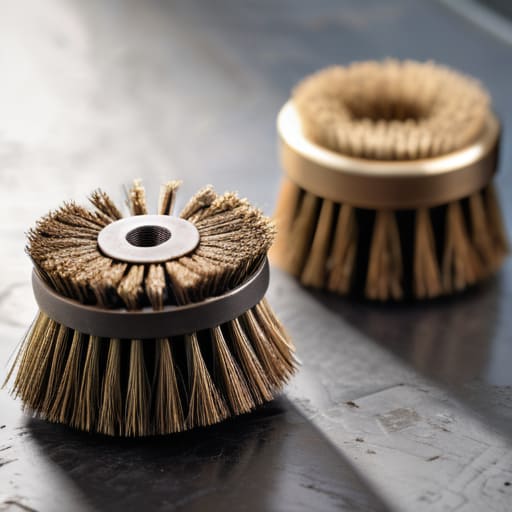
I’ve spent twenty years watching folks walk up to the cleaning bench with a brand-new, overpriced kit they bought because some influencer on a screen told them it was the “gold standard.” They think a fancy box of branded accessories is going to make up for poor technique, but all they’re really doing is wasting money. Most people make it way more complicated than it needs to be when they’re trying to figure out how to choose patches and brushes that actually do the work. You don’t need a miracle cure in a plastic case; you need tools that won’t fall apart halfway through a bore or, worse, leave behind bits of cheap nylon that’ll hang up your next round.
I’m not here to sell you on any specific brand or tell you that you need a specialized kit for every single caliber you own. My goal is to strip away the marketing fluff and give you the straight truth based on what actually works when you’re staring at a carbon-fouled barrel at midnight. I’m going to show you the specific textures and sizes that matter, so you can build a maintenance routine that is built to last. Get the fundamentals right, and your equipment will respect you.
Testing Patch Material Durability Before You Scrub
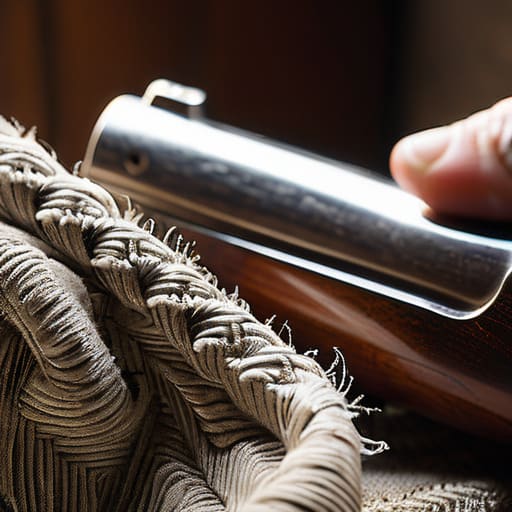
Before you go shoving a handful of new cloth down the bore of a vintage Mauser, you need to know if that material is actually going to hold up or if it’s just going to shred into a thousand tiny fibers. I’ve seen too many folks buy cheap, oversized rags that end up snagging on a rifling groove, leaving a mess of lint that’s harder to clean out than the carbon was in the first place. You aren’t looking for softness here; you’re looking for patch material durability.
A good way to check this is to do a quick stress test on a piece of scrap metal or even a heavy-duty rag. Take a small piece of your patch, soak it in a bit of solvent, and try to scrub a hard surface with it. If it starts fraying or losing its structural integrity immediately, toss it. It’s a bit like a makeup application tools guide for the range—if the tool can’t handle the friction, it’s going to leave a residue you didn’t ask for. You want something that stays intact from the muzzle to the breech.
Why Brush Bristle Density Matters More Than You Think
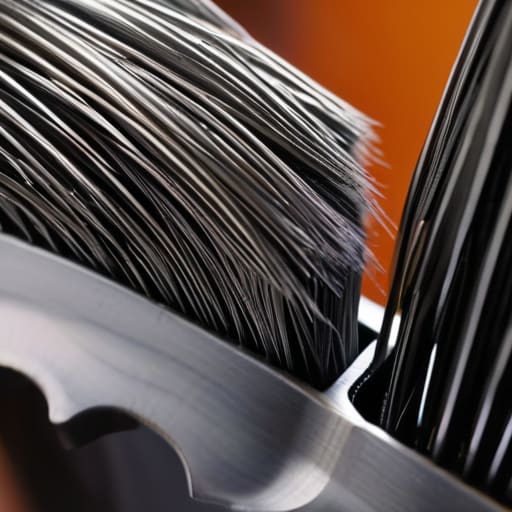
Most folks think a brush is just a brush, but that’s how you end up with a fouled bore or, worse, a scratched rifling pattern. When you’re looking at brush bristle density, you have to understand what you’re actually trying to move. If you go with a brush that’s too sparse, you’re just pushing wet carbon around the chamber like you’re trying to paint a room with a single hair. You’ll spend twice as long scrubbing because the tool isn’t doing the heavy lifting for you.
On the other hand, if you grab something too stiff or overly dense without understanding the material, you’re asking for trouble. It’s a bit like looking at a makeup application tools guide for something delicate; if the tool is too aggressive for the surface, you leave marks. In my experience, a brush with the right amount of resistance will actually “bite” into the copper fouling and lift it out. If the bristles don’t have enough body to hold the solvent and the debris, you’re just performing a very expensive, very wet, very useless ritual.
Five Rules for Not Making a Mess of Your Bore
- Match your brush size to the actual bore, not the caliber stamp on the box. I’ve seen enough guys force a .30 caliber brush into a tight bore because they were in a hurry, and all they did was ruin a perfectly good piece of brass. If it doesn’t slide smooth, it’s the wrong tool.
- Stick to 100% cotton for your patches. Some of those cheap, synthetic blends feel soft in your hand, but they tend to shred when they hit a heavy carbon buildup. You don’t want a piece of lint getting stuck halfway down a barrel when you’re trying to run a rod through.
- Use a dedicated bore brush for the heavy lifting and a different, softer brush for the final pass. You use the stiff stuff to break up the fouling, then you switch to something gentler to polish it out. Treating them as interchangeable is a quick way to leave grit behind.
- Check your patch thickness before you start. If you’re using a heavy-duty patch on a small-bore rifle, you’re going to fight the rod the whole way through, and that’s how you end up with a bent cleaning rod and a frustrated afternoon.
- Don’t skip the transition from brush to patch. A brush clears the path, but the patch is what actually carries the solvent and the debris out of the gun. If you aren’t seeing a clean patch coming out the other end, you haven’t finished the job, no matter how much you think you have.
The Bottom Line on Your Cleaning Kit
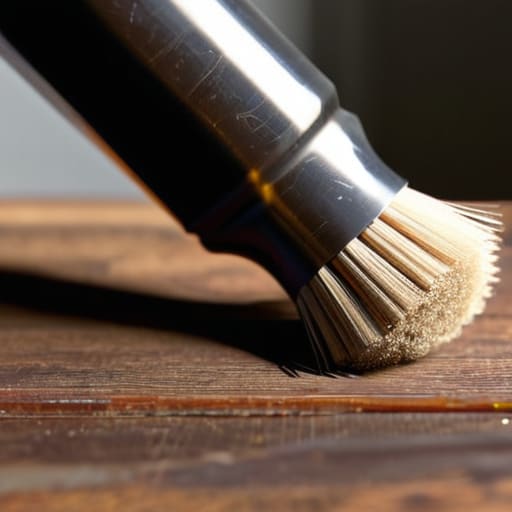
Don’t let a cheap, fraying patch turn into a piece of lint stuck in your rifling; if it falls apart in your hand, it’ll fall apart in the bore.
Match your brush to the job, not the price tag—dense bristles for the carbon buildup and the right size to ensure you aren’t just sliding a wire through a tube without actually scrubbing anything.
Treat your cleaning tools like your gear; if you use the wrong brush or a worn-out patch, you aren’t maintaining your rifle, you’re just wearing it down.
The Bottom Line on Your Cleaning Kit
At the end of the day, choosing your cleaning supplies isn’t about finding the most expensive kit in the catalog; it’s about making sure the tools you pick aren’t actually working against you. We’ve talked about why you need to test your patch durability so you aren’t leaving lint in the chamber, and why the density of your brush bristles determines whether you’re actually removing carbon or just smearing it around. If you skip these steps and just grab whatever is sitting in the drawer, you’re essentially gambling with your equipment’s longevity. Take the extra five minutes to match the right texture and stiffness to the specific bore you’re working on. It’s the difference between a clean, reliable rifle and one that starts acting up when you actually need it to perform.
I’ve spent twenty years watching people treat maintenance like a chore they can rush through, only to see them struggle with malfunctions later on. But here is the truth: the way you treat your gear when no one is watching is exactly how it will behave when you’re on the line. When you invest the time into selecting the right brushes and the right patches, you aren’t just cleaning; you are building a foundation of reliability. Do the unglamorous work correctly, keep your habits consistent, and I promise you, the shooting will take care of itself.
Frequently Asked Questions
If I'm working on an old bolt action with a bit of pitting in the bore, should I be using a different type of brush than what I'd use for a modern service rifle?
You hit on a crucial distinction. With a modern service rifle, you want aggressive to strip carbon fast. But with an old bolt action—especially one with pitting—you have to be gentler. Those pits are like tiny jagged canyons; if you use a stiff, heavy-duty brass brush and scrub too hard, you’re just digging those imperfections deeper. Stick to a softer nylon brush or a light bronze one. You’re cleaning the bore, not resurfacing it.
Is there a point where a brush is actually doing more harm than good if I use it too many times on the same barrel?
You’re asking the right question. Yes, there is a point. I’ve seen too many folks treat a brass brush like a permanent fixture, scrubbing away until the bristles are worn down to nothing or, worse, the metal itself starts scoring the rifling. Once those bristles lose their shape or get clogged with grit, you aren’t cleaning anymore; you’re just sanding your barrel. If the brush feels limp or looks mangled, toss it.
How do I know if I'm using too much solvent on my patches, or if I'm just not using enough to actually move the carbon?
Look, there’s no magic number, but there is a right way to see it. If your patch comes out bone dry and gray, you aren’t using enough solvent to actually lift the fouling; you’re just rubbing dirt around. If the patch is dripping like a leaky faucet, you’re wasting money and making a mess of your bench. You want it damp enough to stay dark and heavy, but not so wet that it’s running down the barrel.




