
I spent three weeks last summer working on a vintage Mauser that had been sitting in a coastal shed, and when I finally cracked the action, the pitting was so deep it looked like the metal had caught a case of the measles. People will try to sell you on these fancy, high-tech aerosol sprays or expensive vacuum-sealed cases that promise the moon, but let me tell you: if you’re looking for a magic bullet on how to protect a firearm in salt air, you’re wasting your damn money. Salt air doesn’t care about your budget; it only cares about the tiny gaps in your routine where moisture can settle and start eating away at your steel.
I’m not here to give you a sales pitch or a list of products you don’t need. Instead, I’m going to walk you through the actual, unglamorous habits—the ones I’ve watched a thousand shooters ignore on my line—that keep your gear functional. We’re going to talk about proper oiling techniques, moisture control, and the specific cleaning steps that actually matter when the humidity is working against you. If you get these basics right, your rifles will still be shooting well long after the hype has died down.
Protecting Metal From Salt Spray Before It Bites

If you’re living within a few miles of the coast, you aren’t just dealing with moisture; you’re dealing with an invisible, aggressive chemical reaction. Most people think a quick wipe-down is enough, but when you’re protecting metal from salt spray, you have to be more intentional. Salt attracts moisture, and once that brine settles into the tight tolerances of your action or the grain of your finish, the clock starts ticking. I’ve seen beautiful vintage receivers ruined in a single season because someone thought a light dusting was sufficient.
The real work happens during your cleaning routine. When you’re cleaning firearms in high humidity, you can’t just chase the carbon out; you have to replace the barrier the salt is trying to eat through. I always tell my students that a dry gun is a dead gun in a coastal environment. You need to ensure you have a consistent, heavy film of oil on every single surface—especially the parts you can’t see, like the inside of the magazine well and the underside of the bolt. If you aren’t obsessing over that oil film, you’re essentially inviting the ocean to reclaim your gear.
Cleaning Firearms in High Humidity to Stop Damage
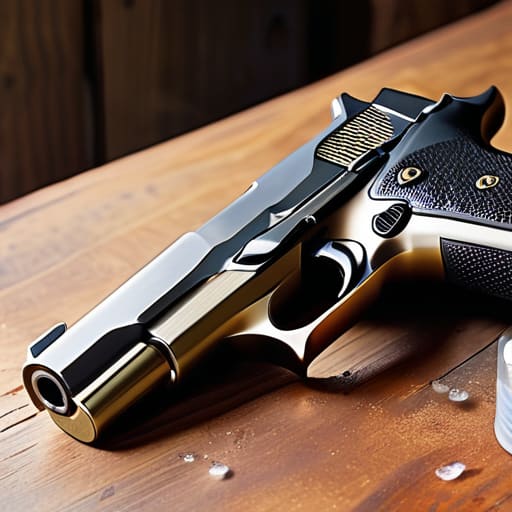
When the air feels heavy enough to wear, your cleaning routine has to change. In these conditions, you can’t just wipe the surface and call it a day. I’ve seen too many folks skip the deep clean because it’s humid and uncomfortable, but that’s exactly when the moisture finds its way into the tightest tolerances. You need to be cleaning firearms in high humidity with a focus on the places you can’t see—the underside of the bolt, the slide rails, and the crevices around the trigger assembly. If you leave even a fingerprint of salt or sweat on that steel, you’re basically inviting the oxidation to start its work overnight.
Once the grit is gone, the real work begins. You aren’t just looking for a light coat; you’re looking for a barrier. I usually recommend moving away from thin, water-soluble lubricants and opting for the best gun oils for humidity—something with a higher viscosity that stays put. I like to apply a slightly heavier film than I would in a dry climate, ensuring every inch of the metal is sealed. It’s about creating a physical wall between the steel and the air. If you aren’t obsessing over that oil film, you’re just leaving the door open.
The Maintenance Habits That Keep the Rust Away
- Don’t trust a “once a month” cleaning schedule when you’re living by the coast. In salt air, you need to be checking your gear every single time it comes back from the range or even after a heavy fog rolls in. If you see even a hint of discoloration, you’ve already waited too long.
- Build a thick, consistent oil film. I’m not talking about a light misting; I mean making sure every square inch of exposed steel has a dedicated layer of high-quality oil or a specialized corrosion inhibitor. If the metal is dry, the salt will find it.
- Control your storage environment with more than just a safe. A safe is great, but in high-humidity areas, it can turn into a moisture trap. Throwing a few high-capacity desiccant packs in there or running a small dehumidifier in your gear room is the difference between a clean rifle and a pitted one.
- Pay attention to the nooks and crannies. People always clean the barrel and the slide, but they forget the trigger assemblies, the magazine springs, and the underside of the rails. That’s where the salt air sits and waits to start eating away at the finish.
- Use dedicated vapor corrosion inhibitors (VCI) for long-term storage. If you aren’t going to be shooting a particular piece for a few weeks, wrap it in a VCI bag or use those specialized wipes. It’s an extra step, sure, but it’s a lot easier than trying to polish out pitting later.
The Bottom Line on Salt Air Defense
Don’t wait for the pitting to start; if you’re breathing salt air, you need to be applying a thin, consistent film of oil every single time you put the tool back in the case.
Humidity is a slow burn, so make sure your storage area isn’t just a sealed box; use desiccant packs and check them regularly to ensure they’re actually pulling moisture out of the air.
A clean gun isn’t necessarily a safe gun in coastal environments—you have to strip the salt and salt-residue out of the nooks and crannies before you seal it up for the night.
The Long Game
At the end of the day, protecting your gear in a coastal environment isn’t about buying the most expensive spray or a fancy new storage case. It comes down to the basics we talked about: a thorough cleaning after every session, a consistent oil film that actually covers the metal, and keeping your kit in a controlled, dry environment whenever you aren’t using it. If you skip the cleaning step or get lazy with your lubrication because you’re tired after a day at the range, you’re essentially inviting the salt air to do its work. It’s a simple cycle, but if you don’t make it a habit, the salt will find its way into the crevices and start eating away at your investment before you even notice the first speck of orange.
I’ve spent twenty years watching people treat their firearms like tools that only need attention when they stop working. But in high-humidity areas, your firearm is more like a living thing that needs constant, quiet care. If you take the time to do these unglamorous maintenance checks now, you won’t be standing at the bench later wondering why your action is sticking or why your bore looks like a mess. Consistency is your best defense. Get those habits down, respect the environment you’re shooting in, and your gear will be ready to perform every single time you step onto the line.
Frequently Asked Questions
Is it worth using a dedicated corrosion inhibitor spray, or is a standard gun oil enough for coastal humidity?
Look, standard gun oil is fine for a dry basement, but coastal humidity isn’t a basement. If you’re living where the air feels heavy, a dedicated corrosion inhibitor is worth every penny. I’ve seen too many folks rely on a light wipe-down with CLP only to find pitting on their receivers a month later. Use your regular oil for the action, but use a heavy-duty inhibitor for the exterior surfaces. It’s about building that extra layer of defense.
How often should I be checking my storage case for moisture buildup if I'm keeping my gear near the coast?
If you’re living near the coast, you can’t rely on a “set it and forget it” mentality. I tell people to check their cases every single week. Don’t just look at the guns; look at the desiccant packs and the interior walls of the case. If those silica beads have turned color or you see even a hint of fogging on the glass, you’ve waited too long. Make it a habit.
Will using silica gel packets in my safe actually make a difference against salt air, or is that just a placebo?
It’s not a placebo, but it’s also not a magic wand. If you’ve got a safe that’s basically a sealed box of salt air, those packets will pull moisture out of the air, sure. But they won’t stop the salt particles already sitting on your steel. Think of them as a secondary defense. Use them, but don’t let them trick you into skipping your oil film. They manage the air; you manage the metal.




