I’ve spent twenty years watching folks walk onto my line, and more often than not, the most dangerous part of their day happened before they even reached the club. I see people spending a fortune on tactical hard cases and high-end locking systems, thinking that gear alone makes them safe, while they’re actually being reckless with their actual habits. Most of the “expert” advice out there focuses on the gear you buy, but they completely ignore the actual mechanics of how to carry a firearm to and from the range without letting your guard down. It isn’t about the brand of the case; it’s about the discipline you maintain from the moment you pull that rifle out of the safe until you lock it back up at home.
I’m not here to sell you a new piece of luggage or walk you through a complicated tactical drill. I want to talk about the unseen transit—the mundane, repetitive checks that ensure your gear stays secure and your reputation stays intact. I’m going to give you the straightforward, no-nonsense procedures I’ve learned from two decades of watching mistakes happen in real-time. We’re going to focus on the consistent habits that turn a chaotic trip into a professional routine.
Hard Shell Gun Cases vs Soft Bags Choosing Your Armor
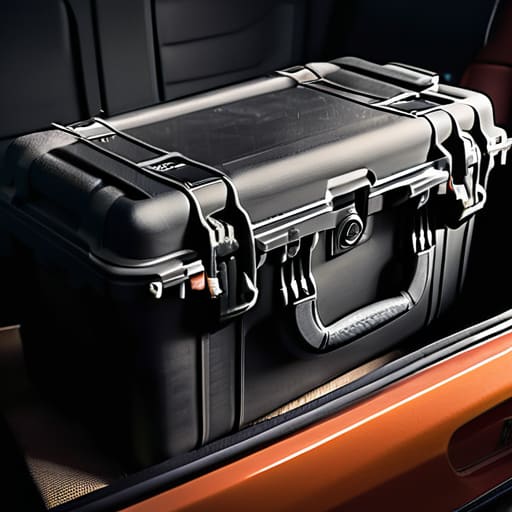
When you’re deciding between hard shell gun cases vs soft bags, don’t just think about what looks better in the trunk. I’ve seen plenty of soft bags fail the moment they get bumped or crushed by a heavy grocery bag in the backseat. A hard case offers a level of structural integrity that a nylon bag just can’t match; it creates a physical barrier that protects your gear from being crushed and, more importantly, keeps it from being easily accessed by anyone else. If you’re hauling something high-value or a delicate piece you’ve spent time restoring, that extra layer of armor is worth the weight.
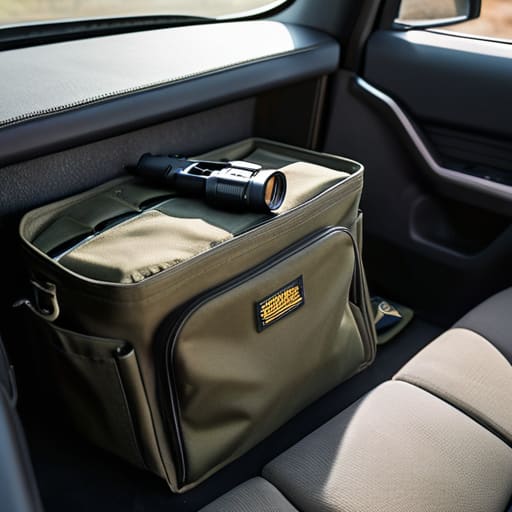
That said, soft bags have their place if you’re disciplined. They’re lighter and easier to tuck into tight spots, but they rely entirely on your internal discipline to keep things secure. If you go the soft route, you need to be twice as diligent about your safe firearm transit protocols. A soft bag won’t stop a heavy tool kit from sliding into it during a sharp turn. Regardless of which one you pick, the goal is the same: create a predictable, secure environment for your gear that doesn’t rely on luck.
Safe Firearm Transit Protocols for the Long Haul
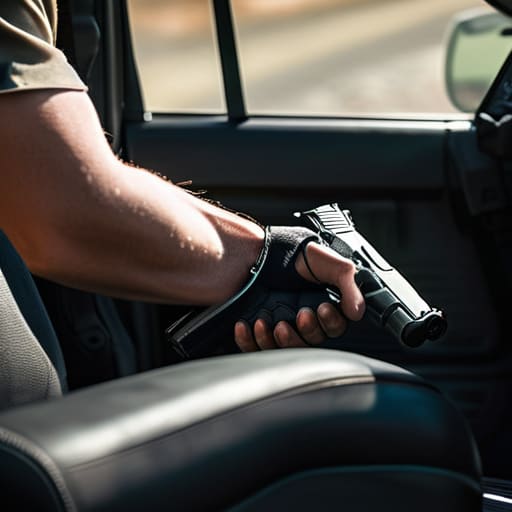
Once you’ve picked out your case, you need to settle into a repeatable routine. I tell my students the same thing every time: the drive is just as much a part of the range session as the actual shooting. You need to establish safe firearm transit protocols that don’t rely on your memory when you’re tired at the end of a long day. That means making a habit of a physical, visual check of the chamber before the case even clicks shut. I’ve seen too many folks get complacent once they’re behind the wheel, assuming that because the gun is in a bag, it’s “safe.” A bag isn’t a magic shield; it’s just a container.
You also need to address how you handle your brass and lead. I’m a firm believer in strict firearm ammunition separation rules. I don’t like my ammo rattling around in the same compartment as my cleared, unloaded handgun. It’s better to keep them in separate pouches or even separate bags if you have the room. It keeps things organized, prevents accidental damage to your gear, and—more importantly—it ensures that if you ever have to open that case in a hurry, you aren’t digging through a mess of loose rounds to find what you need.
Five Habits for the Drive Home
- Double-check your chamber before the case even closes. I’ve seen too many folks zip up a bag while a round is still sitting in the chamber, thinking they’re being efficient when they’re actually being dangerous.
- Keep your ammunition and your firearms in separate compartments. It’s a simple rule, but it prevents a single bump in the road from turning a minor jar into a mechanical failure.
- Secure your case so it can’t slide under the seat. A heavy gun case becomes a projectile in a sudden stop, and a sliding case is a case that gets kicked or stepped on.
- Treat the vehicle like an extension of the range. Just because you aren’t standing on the firing line doesn’t mean the safety rules go out the window; if you wouldn’t do it at the club, don’t do it in your car.
- Mind your business when unloading. When you arrive, don’t start fumbling with your gear in the parking lot. Get your case set, get your bearings, and only then start the process of bringing the tools out.
The Three Habits of a Professional Transit
Treat the drive home with the same discipline as the firing line; a loaded firearm in a closed case is still a loaded firearm, and complacency in the parking lot is where most mistakes happen.
Match your gear to your environment by choosing hard shells for heavy-duty protection and soft bags for quick access, but never let the convenience of a bag replace the necessity of a secure, locked container.
Always perform a physical chamber check before you even touch the case latch, ensuring that your gear is as ready for the drive as it was for the range.
The Drive Home is Part of the Session
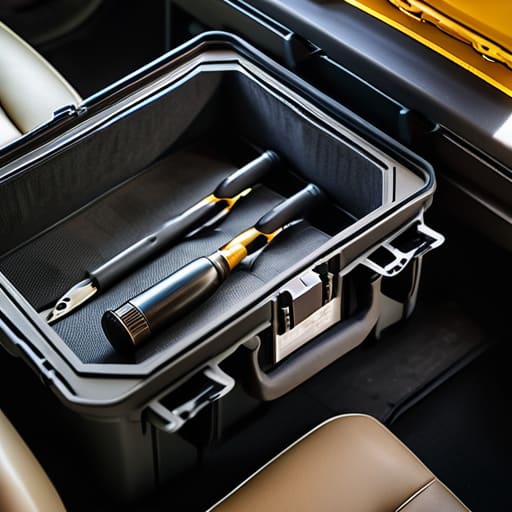
At the end of the day, your responsibility doesn’t end just because you’ve cleared the chamber and packed your brass. Whether you’ve opted for the rigid protection of a hard shell case or the convenience of a soft bag, the goal remains the same: total control over your gear. You need to ensure your cases are secure, your ammunition is stored separately, and your transit protocols are as disciplined as your trigger squeeze. It’s easy to let your guard down once the adrenaline of the range wears off, but complacency is where the mistakes live. Remember, the way you handle your equipment in the backseat of your truck is just as important as how you handle it on the firing line.
I’ve spent twenty years watching people transition from the range back to their daily lives, and the ones who last are the ones who respect the process. Shooting sports aren’t just about the time you spend pulling the trigger; they are about the discipline of the entire cycle. If you treat the transport, the cleaning, and the storage with the same level of respect you give your target, you aren’t just a shooter—you’re a professional. Do the unglamorous work correctly every single time, and you’ll find that the actual shooting becomes much more rewarding.
Frequently Asked Questions
If I'm using a soft bag, how do I make sure my cleaning kit or extra mags don't end up rattling around with the firearm?
If you’re running a soft bag, you’ve got to stop treating it like a laundry basket. Loose magazines and brass-heavy cleaning kits will migrate. They’ll slide right into the action or bang against the receiver, and that’s how you end up with scratches or a jammed mag. Use a dedicated organizer or even a small, zippered pouch for your small parts. Keep the metal separate from the metal. If it rattles, it’s not packed right.
What’s the best way to organize my gear so I’m not fumbling with zippers and latches in a crowded parking lot?
Don’t pack your bag like a junk drawer. If you’re digging through a mountain of loose brass and cleaning patches just to find your mags, you’re creating a distraction. I always tell folks to use modular pouches or small, dedicated kits for your essentials. Keep your tools, ear pro, and eye pro in their own spots. If you can’t find what you need in five seconds, your system is broken. Organization isn’t about being neat; it’s about being efficient and focused.
Does it matter if my ammunition is stored in the same case as the rifle, or should I be keeping those completely separate during the drive?
Keep them separate. I’ve seen too many folks toss a box of loose rounds into the same soft case as their rifle just to save space. It’s a bad habit. If you take a hard bump or the case gets dropped, you don’t want a round being driven into a primer. Keep your brass in its own dedicated, sturdy container. It’s one more small check, but it keeps the unexpected from happening.




