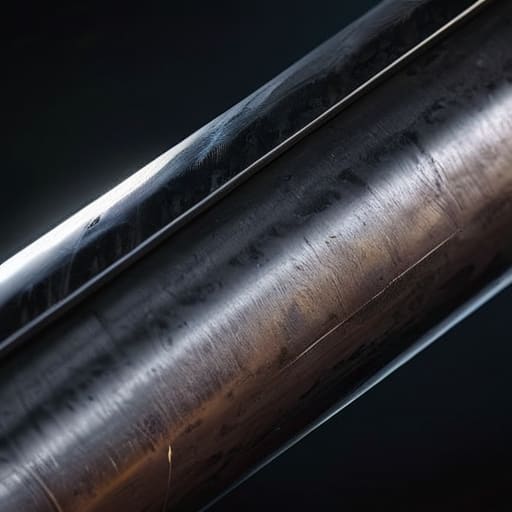
I was working on an old Mauser last summer—a piece with real history—when I saw a kid at the club trying to force a cheap, serrated cleaning rod through a rifled barrel like he was clearing a clogged drain. It’s a common mistake, and honestly, it’s one of those things people try to fix by buying a thousand-dollar specialized kit, when the real issue is just technique. Most of the advice you find online is either way too complicated or just plain wrong, but if you don’t learn the fundamentals of how to avoid damaging a bore with a cleaning rod, you’re essentially turning a precision instrument into a paperweight.
I’m not here to sell you a fancy cleaning station or a subscription to some high-end magazine. I want to talk about the mechanical reality of what happens when metal meets metal. I’m going to walk you through the specific, unglamorous habits that keep your rifling intact and your accuracy consistent. We’ll cover the right tools, the right pressure, and why the way you hold that rod matters more than the solvent you’re using. If you do these things right, your barrels will last a lifetime.
Smart Cleaning Rod Material Selection for Longevity
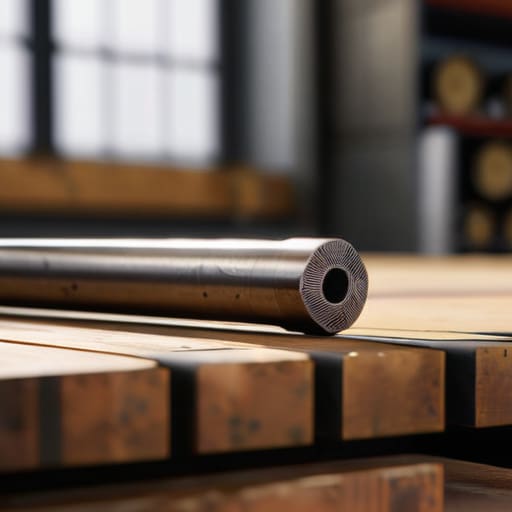
When you walk into a big-box store, you’ll see a dozen different rods, ranging from cheap, flimsy wire to heavy-duty steel. Most folks grab the first thing that looks like it’ll get the job done, but that’s where the trouble starts. If you’re using a cheap steel rod without a proper coating, you’re essentially running a metal file through your barrel every time you clean. For anyone serious about cleaning rod material selection, you want to look toward carbon fiber or high-quality coated rods. Carbon fiber is lightweight and won’t rust, but it’s the coating on a steel rod—usually something like bronze or nylon—that really matters for avoiding scratches in the barrel.
I’ve seen too many people treat a cleaning rod like a pry bar, forcing it through a tight bore with a cheap, uncoated rod. That’s a quick way to mar your rifling. Beyond just the rod itself, you need to pay attention to the tip. A solid brass jag or a specialized cleaning tip acts as a buffer. If you aren’t using a guide, you’re asking for trouble, but even with one, the material of the rod dictates how much stress you’re putting on the metal. Stick to materials that offer a bit of “give” rather than something that fights the steel.
Mastering Rifling Protection Techniques to Keep Accuracy
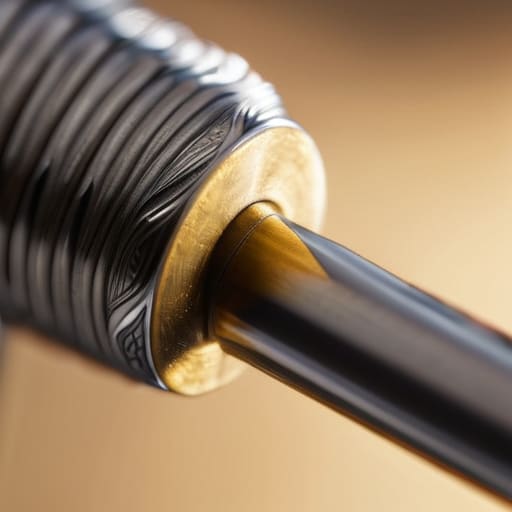
Once you’ve got the right rod in your hand, you have to actually use it with some discipline. One of the most common mistakes I see—and I’ve seen it on my line a thousand times—is people shoving that rod through the barrel with enough force to move a mountain. If you aren’t careful, you’re just using that rod to sand down your lands and grooves. You need to focus on consistent, light pressure rather than brute force. If you find yourself leaning your weight into the rod to get through a stubborn patch of carbon, you’re likely avoiding scratches in barrel only in theory, not in practice.
The other thing people overlook is the exit point. I’ve seen plenty of folks finish a cleaning session only to realize they’ve nicked the very thing that makes the rifle accurate. You have to be mindful of preventing muzzle crown damage by ensuring the rod doesn’t snag or slam against the edge as it clears the muzzle. It’s about the transition from the bore to the air; keep it smooth, keep it controlled, and don’t treat the muzzle like a finish line you need to crash through.
Five Habits to Keep Your Bore Smooth
- Stop using those cheap, flimsy brass rods if you’re working on a precision barrel; they flex too much, and once that rod bows mid-stroke, you’re just pushing grit into the rifling instead of pulling it out.
- Always use a bore guide if you have one, and if you don’t, at least make sure you aren’t letting the rod bang against the chamber face every time you pull it back through.
- Never, and I mean never, force a patch through a tight bore; if you feel resistance, stop, pull back, and check if you’ve got a wad stuck or if you’re just being too aggressive with the pressure.
- Keep your cleaning patches clean and folded properly so you aren’t just dragging a dirty, abrasive lump of cotton through the lands and grooves like a piece of sandpaper.
- Watch your rod tip—if you’re using a cleaning jag, make sure it’s seated firmly on the patch so you aren’t leaving a gap that allows the metal tip to scrape directly against the steel.
The Bottom Line on Bore Care
Stop treating your cleaning rod like a piece of scrap metal; choose the right material—brass or coated—so you aren’t scrubbing your rifling with a steel stick.
Treat every pass through the bore with intention, because one careless, heavy-handed shove can leave a scratch that stays there for the life of the rifle.
Protect the crown and the rifling above all else, because once you’ve compromised the bore, no amount of fancy optics is going to bring your accuracy back.
Respect the Bore
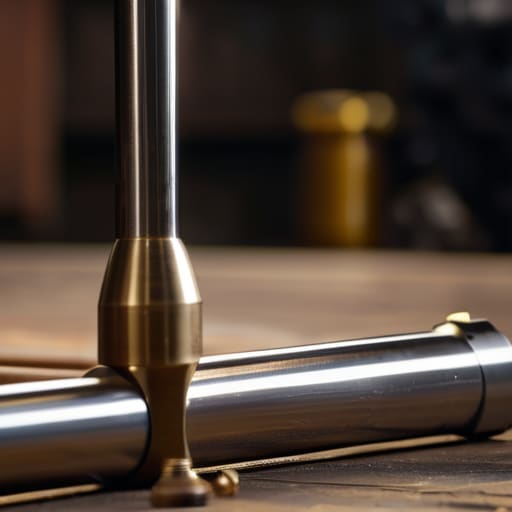
At the end of the day, protecting your rifling comes down to the small things you do when nobody is watching. It’s about choosing a quality rod over a cheap piece of scrap metal, using a bore guide to keep that rod from wobbling, and remembering that pressure is not a substitute for technique. If you’re shoving a rod through a barrel with enough force to make your knuckles white, you aren’t cleaning; you’re just fighting the steel. Take the extra thirty seconds to set your tools up right. It’s much easier to maintain a clean bore than it is to try and fix one that’s been scarred by a careless hand.
I’ve spent twenty years watching people treat their gear like it’s indestructible, only to wonder why their groups started opening up six months later. The truth is, your rifle is a precision instrument, not a piece of heavy machinery. When you treat your cleaning routine with the same discipline you bring to the firing line, you’re doing more than just maintaining a tool—you’re honoring the craft. Get the unglamorous habits right, take care of the metal, and the shooting will take care of itself. Stick to the process, and your rifles will stay accurate for a lifetime.
Frequently Asked Questions
Is it worth the extra money to switch from a standard steel rod to a carbon fiber one?
Look, if you’re just cleaning a single, cheap rimfire once a month, a steel rod is fine. But if you’re working on something with a long, heavy barrel, that steel rod is going to flex and whip like a wet noodle. That’s how you end up scratching your rifling. Carbon fiber is stiff, it’s light, and it stays true. For me, the extra cost is a small price to pay for the peace of mind.
How often should I be replacing my cleaning patches to make sure I'm not just pushing grit around?
If you see a patch coming out of the bore looking like it just went through a sandblaster, stop. That’s your cue. I tell people to treat patches like a white shirt—once it’s filthy, it’s useless. If you keep using a grey, grit-caked patch, you aren’t cleaning; you’re just polishing the carbon and copper back into the rifling. Change them often. A clean patch is the only way to know you’re actually done.
What's the best way to tell if I've actually caused a scratch in the rifling versus just seeing normal fouling?
The best way to tell is to stop guessing and start looking with intention. First, get a good bore light—not a flashlight, a real bore light. Clean the bore thoroughly, then inspect it under bright, indirect light. Fouling looks like smeared, dark residue that moves when you patch it. A scratch is a physical groove. If you see a bright, sharp line that stays put no matter how much solvent you use, you’ve got a problem.




