
I’ve spent twenty years standing on the edge of the firing line, watching people go through the motions of being “safe” while their hands tell a completely different story. Most folks think safety is some high-tech checklist or a fancy course you pay a hundred bucks to attend, but they’ve got it backwards. Real safety isn’t about what you do when the instructor is looking; it’s about the muscle memory you build when you’re alone in your garage. If you want to actually get better, you have to learn how to run a safety audit of your own habits before someone else has to do it for you.
I’m not here to give you a lecture or sell you a new piece of gear. What I want to do is show you how to look at your own process with the same unblinking eye I use when I’m inspecting a piece of machined steel. We’re going to talk about the quiet, unglamorous checks—the ones that feel repetitive and boring—because those are the exact moments where accidents find a way in. I’ll show you how to spot your own sloppy shortcuts so that when you finally step onto the range, the shooting part is the only thing you have to worry about.
Identifying Behavioral Blind Spots in Your Daily Routine
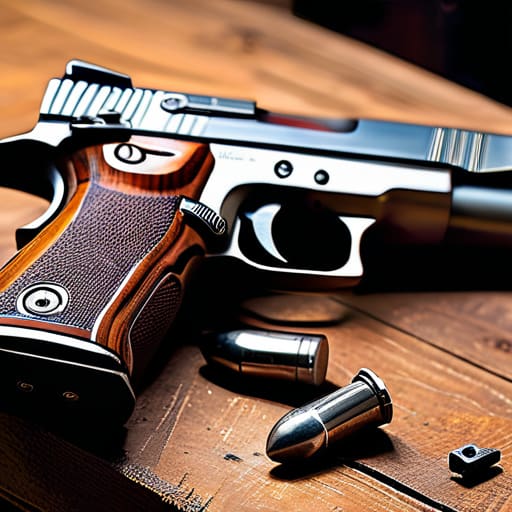
The problem isn’t that you don’t know the rules; it’s that your brain starts to treat them like background noise. I see it every Saturday morning. A shooter will go through the motions of clearing a firearm, but they aren’t actually looking at the chamber—they’re just performing the muscle memory of looking. This is where preventing routine-induced errors becomes difficult, because your mind is already three steps ahead, thinking about the first target or what’s for lunch. You stop seeing the reality of the tool in your hands and start seeing a predictable sequence of events.
To fix this, you have to start identifying behavioral blind spots by intentionally breaking your own rhythm. When you’re cleaning a rifle or checking your gear, do something slightly out of order. If you always check the magazine first, check the chamber first. If you always wipe the bolt, try wiping the trigger guard first. By forcing your brain to engage with a new sequence, you strip away that layer of autopilot. You aren’t just checking a box; you’re forcing yourself to actually observe what is happening, rather than what you expect to happen.
Risk Assessment for Daily Routines You Do on Autopilot

Most accidents don’t happen when you’re focused and intense; they happen when you’re tired, thinking about what’s for dinner, and moving through a sequence you’ve done a thousand times. That’s the danger of the autopilot. When you’re performing a risk assessment for daily routines, you aren’t looking for the big, obvious mistakes. You’re looking for the moments where your brain decides it’s already seen this part and stops actually “seeing” it. I see it every Saturday—a shooter reaches for a magazine or clears a chamber with a hand that’s moving just a little too fast, relying on muscle memory instead of active awareness.
To fix this, you have to start preventing routine-induced errors by intentionally breaking your flow. If you always store your gear in the same spot or clean your bolt in the same three strokes, your brain has likely checked out of the process. Try doing one small part of your maintenance in a slightly different order or at a different time of day. It feels unnatural at first, but that discomfort is exactly what you’re aiming for. It forces you to stay present, ensuring that your safety isn’t just a byproduct of habit, but a deliberate choice.
Five Ways to Catch the Slop Before It Becomes a Habit
- Record your own process. If you’re working on a rifle at the bench, set your phone up and film yourself from a side angle. When you watch it back, you’ll see exactly where your finger wanders toward the trigger guard or where you leave a magazine seated while you reach for a tool. You can’t fix what you aren’t watching.
- The “Third-Time” Rule. I count how many times a new shooter checks their chamber before I say anything, but you should be doing that to yourself. Pick a critical safety check—like verifying an empty chamber—and do it three times in three different ways. If you can’t do it consistently without thinking, you don’t actually know the habit yet.
- Audit your workspace, not just your hands. A cluttered bench is a breeding ground for mistakes. If you have brass, cleaning solvents, and loose parts all jumbled together, you’re one accidental bump away from a mishap. A clean workspace forces a clean mental process.
- Break the autopilot with a physical trigger. When you find yourself performing a routine task—like clearing a firearm or locking a safe—introduce a physical “checkpoint.” It could be a specific tap on the frame or a verbalized “clear.” If you can’t say the word out loud while doing the action, you’re drifting into autopilot.
- Practice the “What If” drill during your downtime. While you’re sitting there cleaning or even just driving home, run a mental simulation. “What if this part breaks right now?” or “What if I dropped this while it was loaded?” If your mental response is “I don’t know,” then your current routine hasn’t accounted for the reality of the risk.
The Bottom Line
Stop trusting your memory; if you can’t physically see the empty chamber or the locked case, you haven’t actually verified it.
Watch for the “autopilot drift,” where the things you do every single day—like clearing a malfunction or stowing gear—become the exact places where you stop paying attention.
Treat your safety checks like a machining tolerance; if you’re “close enough” to the right procedure, you’re already failing.
The Long Game

At the end of the day, running a safety audit isn’t about finding some massive, glaring error that you can fix with a single training session. It’s about the small, quiet things—the way you stow your gear, the way you handle a tool when you’re tired, or the way you skip a check because you’ve done it a thousand times before. We’ve talked about spotting those blind spots and breaking the cycle of autopilot behavior, but the real work happens when you’re alone. You have to intentionally interrupt those rhythms before they become permanent. If you can catch the sloppy habits while they are still just minor inconveniences, you prevent them from becoming the accidents that change a life forever.
I’ve spent twenty years watching people on the line, and the ones who truly master this sport aren’t always the most talented shots; they are the ones who respect the process. They understand that discipline is a continuous loop, not a destination you reach and then abandon. Don’t wait for a mistake to force your hand. Take the time to look at your routines with a critical eye, fix the small things, and keep doing it every single day. If you get the unglamorous work right, the rest of the sport will take care of itself.
Frequently Asked Questions
How do I tell the difference between a habit that’s just efficient and one that’s actually getting dangerous?
The difference is simple: efficiency saves time, but it shouldn’t save steps. If your “shortcut” involves skipping a physical check—like failing to visually inspect the chamber because you’ve already felt the bolt—that’s not efficiency. That’s a dangerous habit. Efficiency is doing the right things faster; danger is doing fewer things to get the job done. If you can’t explain the safety purpose of a movement, you aren’t being efficient, you’re being sloppy.
When I'm auditing my gear or my routine, what are the specific "small" things I should be looking for that most people overlook?
Look at the things you do when you aren’t even thinking. Check your magazine seating—are you slamming them home or just guiding them? Look at your cleaning kit; are you using a dirty patch on a clean bore? Check your holster tension and how you transition from a draw to a clear. Most people miss the friction in a routine. If you’re doing it on autopilot, that’s exactly where the mistake is hiding.
If I find a bad habit during my audit, what’s the best way to actually break it instead of just acknowledging it exists?
You don’t just acknowledge a bad habit; you build a physical barrier against it. If I see a shooter getting sloppy with their finger placement during a reload, I don’t just tell them to stop. I make them slow down. You have to break the muscle memory. Force yourself to perform the correct action three times, slowly, until it feels more natural than the mistake. If you can’t do it right under pressure, you haven’t fixed it yet.




