
I was standing on the line last Tuesday, watching a guy in brand-new tactical gear work through his third box of match-grade ammo. He had the best optics money could buy and a grip like a vise, but his eyes were starting to glaze over. He was chasing a tight group that had already drifted wide, and he was too stubborn to realize his hands were shaking from fatigue. Most people think the decision to quit is about running out of brass or hitting a specific round count, but they’re missing the point entirely. Learning how to know when to stop shooting a firearm isn’t about your wallet or your ammo can; it’s about recognizing when your mental discipline has officially left the building.
I’m not here to give you a lecture on range etiquette or sell you on some high-tech training regimen. I want to talk about the quiet, unglamorous signs—the subtle shifts in your breathing, the way your trigger finger starts to feel heavy, and that specific brand of stubbornness that leads to mistakes. I’ll show you how to listen to your body and your brain so you can walk off the line with your skills intact rather than leaving them in the dirt.
Spotting the Signs of Firearm Mechanical Failure

Most folks think a gun is a static object, something that just works until it suddenly doesn’t. But if you’ve spent any time in a machine shop or spent twenty years watching a line, you know metal is alive. It fatigues, it erodes, and it tells you when it’s tired if you’re actually listening. I’ve seen shooters push through a sticky extractor or a light primer strike thinking they just need a better grip, but those are the first real signs of firearm mechanical failure. When the cycle stops feeling rhythmic and starts feeling like a struggle, that’s your cue to stop.
You also need to keep an eye on what the brass is telling you. If you start seeing erratic pressure signs or if your groups are opening up despite a perfect stance, you might be looking at firearm barrel wear signs. People always ask about gun barrel life expectancy, but it isn’t a magic number on a calendar; it’s about how the rifling holds up under the heat and friction of your specific load. If the accuracy vanishes and the bores look washed out, don’t try to “shoot through it.” Just clear the action and get it to a smith.
Respecting Safe Firearm Operation Limits Before Trouble Starts

You don’t wait for a piece to break to realize it’s tired. In my experience, most people treat their equipment like an infinite resource, but every piece of steel has a finite amount of work it can do. You need to learn the safe firearm operation limits of your specific setup before you find yourself staring at a jammed action or a ruined grouping. If you notice your shots starting to wander or your accuracy dipping despite perfect form, don’t just assume you’re having an “off day.” Sometimes, the gear is telling you it’s reached its limit.
I’ve spent enough time at the bench to know that ignoring the small things leads to the big things. Pay attention to the subtle shifts: a change in the feel of the trigger pull, or a slight increase in felt recoil. These are often the first firearm barrel wear signs that show up long before a catastrophic failure. If you’re seeing significant copper fouling that won’t budge or noticing a change in how the rifling holds up, it’s time to stop the session. It’s better to walk away and run a thorough maintenance inspection checklist than to push a worn tool until it fails you mid-string.
The Five Red Flags That Mean You're Done for the Day
- Watch for the “click” that isn’t a “bang.” If you’re getting light primer strikes or unexpected failures to feed, don’t just tap the magazine and keep going. That’s your firearm telling you something is out of spec, and chasing that malfunction with more rounds is how you end up with a jammed action or a broken extractor.
- Listen to your own mental fog. There’s a specific kind of fatigue that hits when you stop thinking about the trigger reset and start thinking about what you want for lunch. When you realize you’ve just fired three rounds without actually processing the shot, you’ve lost your discipline. Clear the line and go home.
- Respect the heat. I’ve seen plenty of folks try to push through a long session only to have a barrel get so hot it starts throwing shots wide or, worse, affects the integrity of the components. If the metal is getting too hot to touch comfortably, you aren’t “working through it”—you’re risking the hardware.
- Monitor your physical rhythm. If your grip starts to slip because of sweat, or if your hands are shaking from a bit too much caffeine or not enough food, your fine motor skills are gone. A shaky hand makes for a sloppy shot, and a sloppy shot is a precursor to a mistake.
- Trust your gut on the “weird” feeling. If a firearm feels slightly off in the hand—maybe a different recoil impulse or a slide that doesn’t feel as snappy as it did an hour ago—don’t try to rationalize it. In my experience, “weird” is usually the first stage of a mechanical failure. Stop, clear it, and inspect it.
The Three Lines You Shouldn't Cross
Watch your gear, not just your target; if the cycling gets sluggish or the extraction feels off, stop immediately and check the mechanics before you force another round through.
Respect the fatigue in your own hands; once your grip starts to slip or your focus wanders from the fundamentals, you’ve already passed the point of productive training.
Know your limits with the hardware; if you’re pushing a firearm past its intended use or running it until it’s too hot to handle, you’re inviting a mistake that no amount of luck can fix.
The Discipline of Walking Away
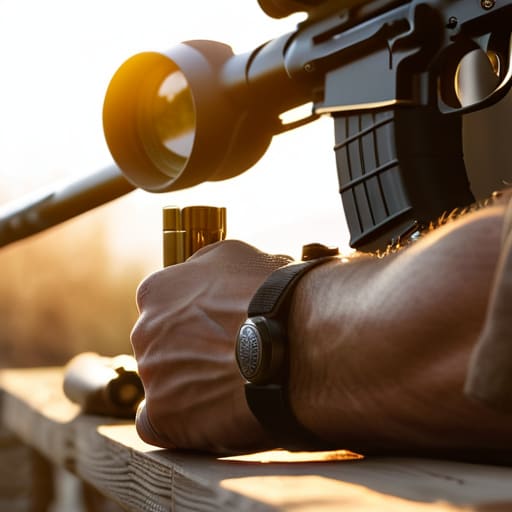
At the end of the day, knowing when to stop isn’t about a single catastrophic event; it’s about recognizing the subtle shift in your environment and your own body. You have to listen to the rifle when the cycling gets sluggish, watch for those tiny mechanical inconsistencies, and—most importantly—monitor your own mental fatigue. If you find yourself fighting the trigger pull or losing that sharp edge of focus, you aren’t training anymore; you’re just practicing mistakes. It is much better to clear the chamber while you’re still in control than to wait until a lapse in judgment or a mechanical hiccup forces your hand.
I’ve spent twenty years on this line, and the shooters I respect most aren’t the ones who stay until the very last round in the box is spent. The real marksmen are the ones who have the discipline to pack up their gear while they are still having a good day. There is a quiet dignity in knowing your limits and respecting the tool enough to walk away before the fun turns into a liability. Remember, the goal isn’t to shoot until you’re empty; it’s to ensure that every time you step onto the range, you leave with your equipment, your skill, and your safety intact.
Frequently Asked Questions
How do I tell the difference between a simple cleaning issue and a mechanical failure that means the gun needs a gunsmith?
Look, if it’s just a gritty trigger or a sluggish cycle, a deep clean and some proper lubrication usually do the trick. That’s just maintenance. But if you see hairline cracks in the frame, or if the extractor is slipping despite a clean surface, stop right there. If the metal itself isn’t behaving the way it’s supposed to, don’t try to “fix” it with more oil. That’s when you call a gunsmith.
Is there a specific number of rounds or a time limit I should keep in mind before fatigue becomes a safety risk?
There isn’t a magic number, and anyone who gives you one is selling something. For me, it’s about the rhythm. If you find yourself rushing your reload, or if that steady grip starts feeling like a heavy weight, you’ve gone too far. I’ve seen shooters push through a hundred rounds only to let their discipline slip on the hundred-and-first. When the focus blurs, the safety ends. Clear the chamber and call it a day.
If I notice a slight change in how the action feels or cycles, should I stop immediately or can I finish my magazine first?
You stop. Right then. I don’t care if you’ve got ten rounds left or one. If that action feels sticky, or the bolt isn’t cycling with the same smooth rhythm it had ten minutes ago, that’s the machine telling you something is wrong. Don’t try to “muscle” it through the rest of the magazine. That’s how you turn a minor grit issue into a jammed, broken action or, worse, a catastrophic failure. Clear it, check it, and step back.




