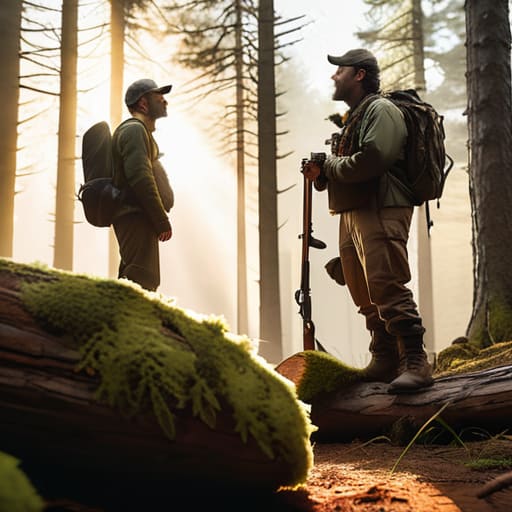
I’ve spent twenty years standing on range lines, and if there’s one thing I’ve learned, it’s that people spend way too much money on high-tech optics and camo patterns while completely neglecting the basics. You can buy the most expensive GPS and a thermal scope, but if you haven’t mastered the mundane stuff—like checking your kit in a controlled environment or verifying your gear’s condition—you’re just a walking liability. Most folks think learning how to plan a safe hunting day is about studying topographical maps or weather apps, but they’re missing the point. Real safety isn’t found in a gadget; it’s found in the boring, repetitive habits you perform before you even leave the driveway.
I’m not here to sell you on a new piece of gear or a flashy tactical strategy. My goal is to walk you through the unglamorous side of preparation: the cleaning, the double-checks, and the mental checklists that actually keep you out of the emergency room. I want to show you how to build a routine that makes safety second nature, so when you’re tired, cold, or distracted in the field, your hands know exactly what to do.
The Gear Checklist Checking the Small Things That Matter
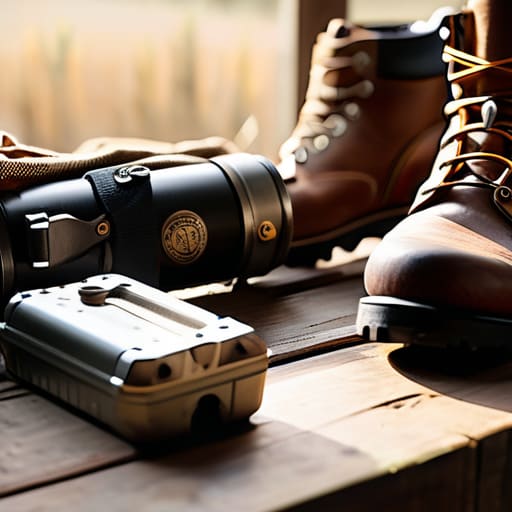
Most folks spend their entire budget on a high-end optic or a lightweight rifle, but they’ll walk out the door with a kit that’s fundamentally broken. When I’m looking at a new shooter’s gear, I’m not looking at the brand names; I’m looking at the small, boring details. A proper hunting gear checklist starts with the stuff that fails when you’re tired and cold. Check your boots for tread, ensure your headlamp has fresh batteries, and make sure your knife is actually sharp. If you’re relying on a piece of equipment that hasn’t been tested in the field, you aren’t preparing; you’re just hoping.
Beyond the hardware, you need to look at your survival essentials. I’ve seen too many people head out without a solid emergency communication plan, assuming they’ll just “find their way back” if the weather turns. Your pack should have a dedicated spot for your first aid kit and a way to signal for help. It’s not about being dramatic; it’s about firearm handling safety and general situational awareness. If you haven’t accounted for the basics of your kit, you’ve already compromised your safety before you even reach the stand.
Firearm Handling Safety Habits That Start in the Garage
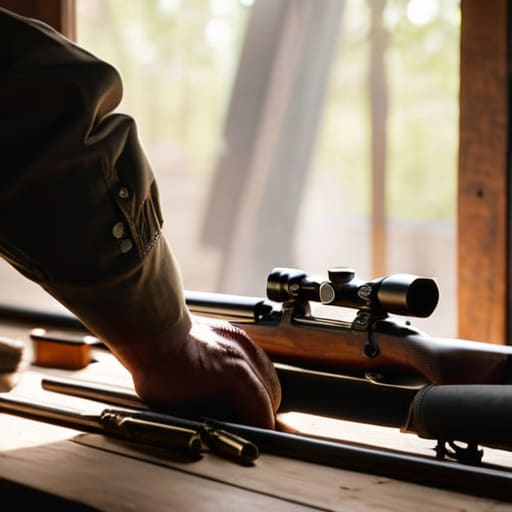
Most folks think safety begins when you step out of the truck and into the brush, but I’ve seen too many mistakes made before the engine even cools down. Real firearm handling safety starts in your garage, long before you’re tracking anything. It’s in the way you organize your cleaning kit and how you treat a rifle while you’re just sitting at the workbench. If you’re careless with a bolt action while you’re oiling it in your basement, you aren’t going to magically become a saint once you’re miles from the nearest road. You have to build the muscle memory of checking that chamber and verifying that empty status every single time you touch the steel.
I always tell my students that your habits are like a well-machined part: if there’s a flaw in the process, the whole system eventually fails. This means treating every firearm as if it’s loaded, even when you’re just moving it from the rack to the gun case. You need to establish your group hunting safety rules while you’re still in a controlled environment, not when the adrenaline is pumping and the wind is picking up. If you haven’t mastered the unthinking, automatic checks at home, you aren’t ready for the field.
The Pre-Flight Routine: Five Things Most People Forget
- Map out your exit before you map out your shot. I’ve seen too many folks get so focused on the deer that they don’t realize they’ve wandered into a drainage ditch or a thicket they can’t walk out of without a compass and a plan.
- Check your light sources while you’re still in the kitchen. A headlamp with dying batteries isn’t just an inconvenience; it’s a safety hazard when you’re trying to navigate a steep slope in the dark. Put fresh ones in, then put the spares in your pocket.
- Verify your communication plan with someone back home. Don’t just tell them “I’m going hunting.” Tell them exactly which unit you’re in and what time you’ll be back. If you aren’t home by that time, they need to know when to start worrying.
- Pack for the weather you’ll actually face, not the weather you saw on the news this morning. Layers aren’t just about comfort; they’re about preventing the kind of hypothermia that makes you stop thinking clearly. A clear mind is your best safety tool.
- Do a final, slow walk-through of your kit. Check that your first aid kit is actually stocked and that your knife is sharp. If you’re scrambling to find a bandage while you’re shivering in the woods, you’ve already lost the battle.
The Bottom Line: Safety is a Process, Not an Event
Safety doesn’t start when you pull the trigger; it starts in your workshop and your garage with the way you clean, store, and prep your gear.
Relying on luck or “being careful” isn’t a strategy—you need to build mechanical habits, like checking your chamber and your gear, until they are as automatic as breathing.
If you haven’t mastered the unglamorous stuff—the double-checks and the routine maintenance—you aren’t actually ready for the field.
The Long View
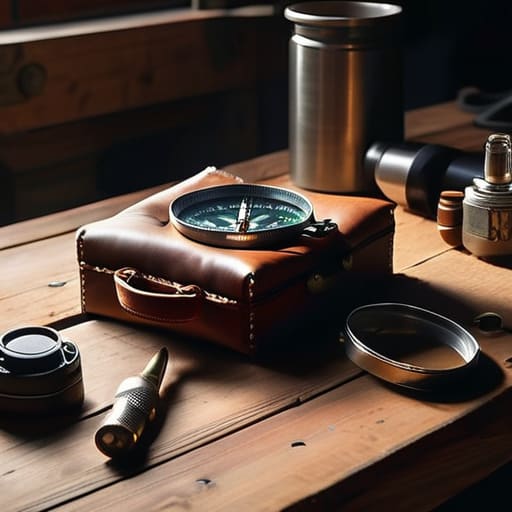
At the end of the day, planning a safe hunt isn’t about memorizing a list of rules; it’s about the discipline of the small things. It’s the gear you checked in the garage before you even loaded the truck, the way you handled your rifle while walking through the brush, and the mental state you maintained from the moment you woke up. If you’ve done your job right, your equipment is reliable, your surroundings are understood, and your habits are second nature. When you respect the process of preparation, you aren’t just checking boxes—you are eliminating the variables that turn a bad day into a tragedy.
I’ve spent twenty years watching people on the line and in the field, and the ones who come home every single time are the ones who don’t rely on luck. They rely on the boring, unglamorous work of being prepared. Don’t go out there looking for the thrill of the shot if you haven’t first mastered the quiet work of the routine. Real skill isn’t just about what you do when the trigger is pulled; it’s about the decisions you make long before you ever see game. Do the work, keep your habits tight, and the sport will take care of itself.
Frequently Asked Questions
How do I know if my storage setup is actually secure enough when I'm away from home for a week?
If you’re asking that question, you’re already thinking the right way. I always tell people: don’t just look at the lock; look at the accessibility. If a thief can get into your house and reach your safe in under sixty seconds, it’s just a heavy box, not a security system. Check your mounting bolts and ensure your secondary storage—like those extra mags or cleaning kits—isn’t sitting right next to the primary unit. Secure the perimeter, then secure the steel.
What’s the best way to double-check my gear when I'm tired or rushing to beat the sunrise?
When you’re running on three hours of sleep and chasing a sunrise, your brain starts cutting corners. That’s when mistakes happen. You need a physical ritual, not a mental one. Don’t just look at your gear; touch it. Run your hand over the action, physically click the safety, and touch every pouch on your kit. If you don’t make it a tactile habit, you’re just hoping you didn’t forget something. Hope isn’t a safety plan.
If I find a mechanical issue with a rifle while I'm out in the field, what's the proper way to handle it without compromising safety?
If you feel something is wrong—a stiff bolt, a light primer strike, or a feeding hiccup—you stop immediately. Don’t try to “work through it.” That’s how accidents happen. Clear the action, keep the muzzle pointed in a safe direction, and physically inspect the chamber and magazine. If it’s a mechanical failure, the rifle stays in the case. You don’t hunt with a broken tool. You head back, fix it, and try again another day.




