I’ve spent twenty years standing on the edge of the firing line, and if there is one thing I’ve learned, it’s that people spend way too much money on high-speed optics and tactical lights while completely ignoring the basics of how to handle a firearm at a public range. I’ve watched shooters walk in with gear that costs more than my first truck, only to watch them fumble the simplest transitions or forget to clear their chamber before setting a piece down on the bench. It isn’t about the fancy accessories; it’s about the unseen discipline of the movement itself.
I’m not here to give you a polished lecture or sell you on a new piece of equipment. What I’m going to do is walk you through the unglamorous, repetitive habits that actually keep you and the person in the next lane safe. We’re going to talk about the mechanics of movement, the etiquette of the line, and the mental checklist you need to run every single time you step up to the bench. If you get these fundamentals right, the shooting part becomes the easy bit.
Mastering Firearm Muzzle Discipline and Range Officer Commands
I’ve spent twenty years watching people treat their muzzle like a flashlight, swinging it around to show a friend a new optic or a custom grip. That’s how you end up having a very bad day. True firearm muzzle discipline means your barrel is pointed in a safe direction—usually downrange or toward the backstop—from the moment you pick the piece up until the moment it’s back in the case. It isn’t something you do once; it’s a constant, subconscious state of being. If you find yourself thinking about where your barrel is pointing, you’ve already lost the rhythm.
Then there are the words you hear over the PA system. When a Range Officer gives a command, you don’t pause to wonder what they mean. You treat range officer commands like they are the only thing keeping the line orderly. If I call “ceasefire,” you stop immediately. You don’t finish that last string of fire, and you don’t reach for your water bottle. You freeze, keep your finger off the trigger, and wait for the next instruction. It sounds simple, but following the procedure is what separates a shooter from a liability.
The Quiet Art of Clearing a Firearm Safely
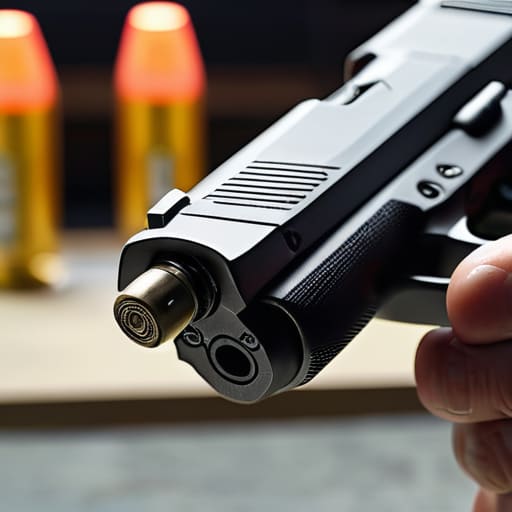
Most folks think clearing a gun is just pulling the slide back and looking inside. I’ve spent twenty years on the Saturday morning line, and I can tell you that’s where the trouble starts. When I tell you to clear your weapon, I’m not just asking you to empty it; I’m asking you to prove to me, and to everyone else on this line, that it is dead. You don’t just glance at the chamber. You lock the action open, you physically inspect the breech to ensure no brass is hiding in the chamber, and you keep that muzzle pointed in a safe direction throughout the entire process.
I’ve sat there silently counting how many times a new shooter checks their chamber before I finally say something. It’s a habit you need to bake into your muscle memory. Clearing a firearm safely isn’t a chore you rush through to get to the fun part; it is the most important technical skill you possess. If you treat the clearing process like an afterthought, you’re essentially gambling with everyone’s safety. Slow down, follow the procedure, and make the check a ritual rather than a checkbox.
The Small Things That Keep Everyone Safe
- Treat your finger like it’s a live wire. I see it every Saturday—someone gets excited about a new optic or a tight grouping and forgets their finger is hovering inside the trigger guard while they’re still moving toward the bench. Keep it straight, indexed against the frame, and only move it when you are actually ready to break the shot.
- Respect the bench as much as the target. A range bench isn’t a kitchen table; it’s a workspace. Don’t toss your magazines, loose rounds, or cleaning kits around like you’re setting up for a picnic. Keep your gear contained in your tray or kit. If you’re fumbling with a jammed mag, do it within your own space, not across the line.
- Learn the difference between “unloading” and “clearing.” A lot of folks think that because the magazine is out, the gun is safe. It isn’t. You haven’t cleared it until you’ve physically pulled that bolt or slide back, visually confirmed the chamber is empty, and then—this is the part people skip—physically locked it open. I don’t care how much you trust your equipment; trust the empty chamber.
- Manage your brass like a pro. It’s easy to let spent casings roll under the person’s bench next to you or, worse, into the firing line area. When you’re done with a string, pick up your brass. Don’t leave a mess for the next person to trip over or for a Range Officer to have to clean up. It’s just good manners, and it keeps the line clear of distractions.
- Stop and listen when the range goes “hot” or “cold.” When an officer calls a cease-fire, it isn’t a suggestion and it isn’t a pause in the conversation. You stop what you are doing immediately, put the action open, and clear the chamber. I’ve seen people try to finish one last shot because they were “in the zone.” The zone ends the second the command is given.
The Habits That Keep You on the Line
Treat every command from a Range Officer as if it’s the only thing that matters; when they say “ceasefire,” you stop moving, you stop thinking about your grouping, and you focus entirely on making that firearm safe.
Muzzle direction isn’t a suggestion you follow when you feel like it—it is a constant, subconscious check that stays with you from the moment you uncase your gear until the moment it goes back in the safe.
Don’t rush the clearing process just because the person behind you is waiting; a slow, deliberate check of the chamber is worth more than any amount of speed when it comes to keeping everyone around you safe.
The Discipline That Stays With You
At the end of the day, handling a firearm at a public range isn’t about how fast you can cycle a bolt or how tight your groups are at fifty yards. It’s about the stuff that happens when nobody is looking—the way you manage your muzzle, the way you listen for the range officer’s voice, and that second extra glance into the chamber before you even think about touching your gear. If you can master the mechanical discipline of clearing your weapon and respecting the commands of the line, you’ve already done the hardest part of the job. It’s those small, repetitive checks that build the foundation for everything else.
I’ve spent twenty years watching folks come and go on my line, and the ones who truly respect this sport are never the loudest or the flashiest. They are the ones who understand that safety is a quiet, constant habit, not a reaction to a mistake. When you leave the range today, don’t just think about your score or your grouping. Think about the discipline you maintained from the moment you walked in until the moment you locked your safe at home. Get those fundamentals right, and the shooting will eventually take care of itself.
Frequently Asked Questions
What should I do if I realize I’ve made a mistake or forgotten something at my lane while the line is hot?
Stop. Don’t reach for it. If you realize you’ve left your glasses, a magazine, or even your phone sitting on the bench while the line is hot, leave it. Do not break your stance and do not turn around. You wait. You wait until the Range Officer calls “ceasefire” and then “clear.” Only when the line is officially cold and the guns are down can you move. Panic is how accidents happen. Just wait.
How do I handle a malfunction or a jammed round without breaking range etiquette?
If your gun stops running, don’t panic and don’t start waving it around like a conductor’s baton. Keep the muzzle pointed downrange, keep your finger off the trigger, and stay exactly where you are. If you can’t clear it with a simple tap-rack-bang, stop. Raise your non-shooting hand to signal for help. Wait for me or another officer to come to you. We’ll handle the jam; you just keep your muzzle steady.
Is it okay to move around my lane to grab gear, or do I need to wait for a specific command first?
Look, I’ve seen plenty of folks treat a range lane like their personal living room. If you need a box of ammo or a fresh pair of glasses, don’t just start wandering. You wait. You wait for a “ceasefire” or a break in the action. If the line is hot, you stay put. Moving around while people are shooting is how things get sideways. Check the status, wait for the command, then move.




