I’ve spent twenty years standing on the edge of the firing line, and if there’s one thing I’ve learned, it’s that people tend to treat dry fire like it’s some kind of “lite” version of real shooting. They think because there’s no bang, the stakes are lower. I’ve watched plenty of folks get comfortable, let their guard down, and start treating their firearms like toys just because they aren’t at the club. But if you want to know how to avoid a negligent discharge during dry practice, you have to stop treating it like a rehearsal and start treating it like the real thing. Safety isn’t something you turn on only when you have live brass in the magazine; it’s a baseline that never fluctuates.
I’m not here to sell you on some fancy training app or a high-priced tactical course. What I want to do is walk you through the unglamorous, repetitive checks that actually build the muscle memory required to stay safe. We’re going to talk about the boring fundamentals—the stuff nobody watches you do when you’re alone in your living room—and how those small, disciplined habits are exactly what keep you from making a mistake when the pressure is on.
Clearing a Firearm of Ammunition the Non Negotiable First Step
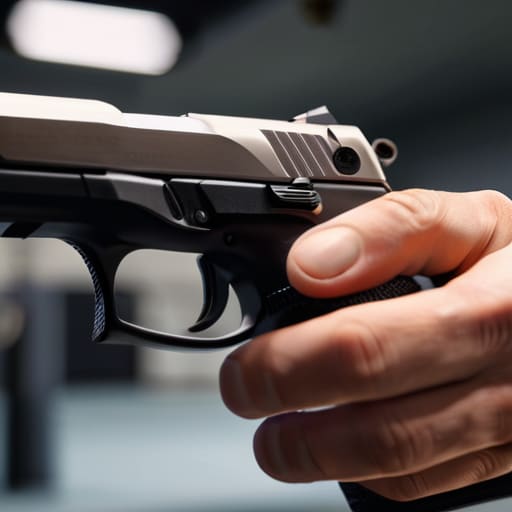
Before you even think about touching a trigger for a dry run, you need to be thorough about clearing a firearm of ammunition. I’ve seen folks get halfway through a drill, get distracted by a phone call or a conversation, and suddenly they’ve forgotten the status of their chamber. It starts with a physical inspection. Remove the magazine, lock the slide or bolt back, and look into that chamber with your own eyes. Don’t just take a person’s word for it, and don’t just trust your memory from five minutes ago.
Once you’ve visually confirmed the chamber is empty, place the magazine in a separate room or at least across the table from the tool you’re practicing with. This isn’t about being difficult; it’s about preventing accidental discharge by removing the possibility of a mistake entirely. You want to create a safe dry fire environment where the only thing in that firearm is air. If you can’t look at your setup and say with absolute certainty that there is nothing live in there, you aren’t ready to start your session.
Setting the Stage Creating a Safe Dry Fire Environment
You wouldn’t try to machine a precision part on a workbench covered in sawdust and scrap metal, so don’t expect to master your trigger squeeze in a cluttered living room. A safe dry fire environment starts with physical boundaries. I tell my students to clear a dedicated space—no pets wandering through, no kids running past, and most importantly, no live ammunition within arm’s reach. I’ve seen too many folks leave a box of brass on the coffee table while they’re practicing their draws. That’s how the brain gets confused, and confusion is where the mistakes live.
Once the area is clear, you need to establish your mental perimeter. This means committing to strict finger off trigger discipline before you even pick up the tool in your hand. I always tell people to treat the practice session with the same gravity as a live range day. If you treat dry fire like a casual game, you’ll start treating your firearm like a toy. You need a dedicated spot where you can focus entirely on your mechanics without the distraction of a stray magazine or a wayward dog.
The Four Habits That Keep the Line Safe
- Treat every single movement like there’s a live round in the chamber. I’ve seen people get halfway through a dry fire session, get comfortable, and start handling the gun like a toy. Your brain might know it’s empty, but your hands need to be told that every single time you pick it up.
- Make the chamber check a physical ritual, not a mental one. Don’t just glance at the ejection port and think, “Yeah, it’s clear.” I want to see you pull the slide or bolt back, physically look into that chamber, and then move the firearm to a safe direction. If you don’t see it with your own eyes, you haven’t cleared it.
- Keep your finger off the trigger until the moment you are actually working on the press. I see it all the time—people resting their index finger on the trigger guard or, worse, inside the trigger loop while they’re looking at a target or talking to a friend. If you aren’t actively pulling the trigger for the drill, that finger stays straight and high.
- Mind your muzzle direction even when you’re just “resetting.” A negligent discharge isn’t always a shot going off; sometimes it’s a person pointing a weapon at someone else because they got distracted during a reload drill. If you aren’t aiming at your target, that muzzle should be pointed at the floor or the backstop, period.
- Use a dedicated “dry fire” area that is physically separated from where you keep your live ammunition. I don’t care if you’re just at home in your living room; keep your boxes of brass and your loaded magazines in a different room or a locked cabinet while you’re practicing. It stops the “oops, I grabbed the wrong magazine” mistake before it even happens.
The Bottom Line on Dry Fire Safety
Treat every firearm as if it’s loaded, even when you’ve personally verified the chamber is empty; the moment you start assuming it’s safe is the moment you stop being careful.
Build your muscle memory around the physical checks—the visual inspection and the tactile feel—so that your safety routine becomes just as automatic as your trigger press.
Never let the lack of noise or recoil make you complacent; dry fire is for perfecting the mechanics, not for cutting corners on the fundamentals.
The Habit is the Goal
At the end of the day, preventing a negligent discharge during dry fire isn’t about some complex tactical maneuver; it’s about the basics you’ve already covered. It’s about that first, deliberate check of the chamber, making sure your workspace is clear of any stray brass or live rounds, and treating that empty firearm with the exact same respect you’d give one that’s loaded. If you skip the clearing process or get distracted by your phone while you’re working through your draws, you aren’t practicing—you’re just playing. You have to verify, every single time, because muscle memory doesn’t distinguish between a live primer and a spent one.
I’ve spent twenty years watching people on the line, and the ones who truly excel aren’t always the fastest or the most precise; they are the ones who are consistent. Dry fire is where the real work happens, but only if you treat the safety checks as an inseparable part of the drill itself. Don’t view the clearing process as a chore that gets in the way of your training. Instead, see it as the foundation of your discipline. If you can master the unglamorous, repetitive habits of safety when no one is watching, you’ll be the person everyone trusts when the pressure is on.
Frequently Asked Questions
If I’m using snap caps, how do I make sure I haven't accidentally left a live round in the magazine or the chamber from a previous session?
The mistake most folks make is trusting their memory instead of their eyes. I’ve seen it a dozen times: someone thinks they cleared the mag, but one round was tucked in the back. Before you even touch a snap cap, strip the gun. Empty the magazine, pull the slide, and physically inspect the chamber. Don’t just look—feel it. If you aren’t looking at an empty chamber with your own eyes, you aren’t dry firing.
How do I keep my focus from slipping when I'm doing repetitive drills in the middle of my living room?
The problem with living room drills is that your brain knows you’re safe on the couch, so it starts to wander. When you stop treating the drill like a live session, that’s when the hands get sloppy. Treat every repetition like you’re on the line at the club. Run through your physical checks—chamber, magazine, finger position—every single time. If you find your mind drifting, stop. Reset. Don’t pick up the tool again until you’re back in the mindset.
Is there a specific way I should be handling my firearm during dry fire to ensure I don't develop bad habits that carry over to the range?
Treat your dry fire exactly like a live range session. I see people get relaxed—too relaxed—because there’s no bang at the end. They start flagging their toes or resting the muzzle on their knee. Don’t do that. Keep your muzzle pointed in a safe direction, maintain your grip, and use the same trigger press you’d use with live rounds. If you get sloppy now, your hands will remember that sloppiness when the brass is real.




