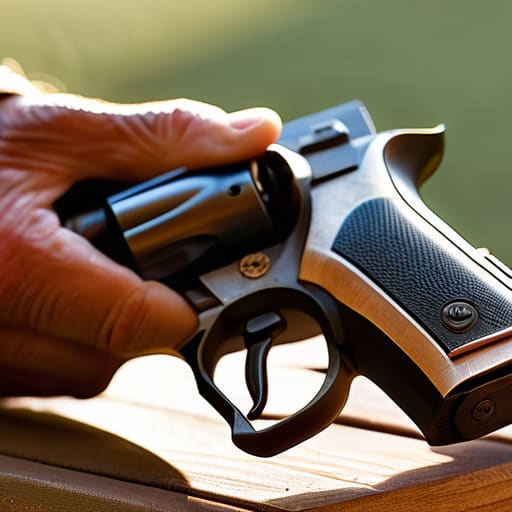
I’ve spent twenty years standing on the Saturday morning line, and if there is one thing I’ve learned, it’s that people treat safety like a checklist they can pass once and then forget. You see it all the time: a shooter recites the rules perfectly during the briefing, but the second they get comfortable, those rules start to slip. They think knowing the words is the same thing as knowing how to follow the four rules of firearm safety when things get busy or distracting. I’ve watched enough “experts” stumble because they treated safety as a lecture to sit through rather than a set of muscle memory habits that need to be drilled until they’re automatic.
I’m not here to give you a classroom speech or sell you some fancy new piece of gear to keep you safe. I want to talk about the unglamorous, repetitive stuff—the checks you do when you think nobody is watching and the way you handle a tool when you’re tired. I’m going to show you how to turn those four rules into second nature through actual, repeatable procedure. If you can get the small, boring habits right, the shooting part takes care of itself.
Mastering Muzzle Awareness and Trigger Discipline
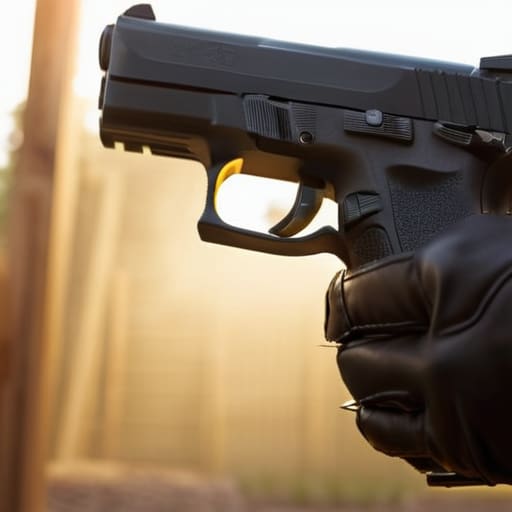
I’ve stood on the line long enough to see a hundred people point a barrel at something they didn’t intend to hit, simply because they weren’t thinking about where that steel was aimed. Muzzle awareness isn’t about being a nervous wreck; it’s about a constant, subconscious awareness of your direction. I tell my students that the muzzle is the most dangerous part of the tool, and it should only ever point toward a safe backstop or a target. If you find yourself sweeping the person next to you while you’re adjusting your stance, you’ve already lost the battle. You have to make controlling your direction a physical reflex, something you do without even thinking.
The same goes for your finger. I see it all the time—a shooter gets excited, or maybe they’re just clearing a malfunction, and that finger wanders toward the trigger guard. That is where the real danger lies. Proper trigger discipline means your finger stays straight and indexed along the frame until you are actually ready to engage the target. Most accidents don’t happen because someone wanted to cause harm; they happen because of a lapse in these basic safe firearm handling techniques. If your finger is on that trigger before you’ve decided to shoot, you’re just one startled movement away from a mistake.
Preventing Accidental Discharges Through Muscle Memory
Most people think safety is about what you’re thinking in the moment, but after twenty years on the line, I can tell you it’s actually about what your hands do when you stop thinking. When you’re tired, or distracted by a conversation, or just moving from the bench to the rack, your brain takes a backseat. That is exactly when things go sideways. You aren’t looking for a lecture; you’re looking for muscle memory that functions even when your mind is elsewhere.
I’ve watched plenty of folks go through the motions of firearm safety training for beginners, but there is a massive gap between knowing a rule and having it baked into your nervous system. You shouldn’t have to “remember” to keep your finger off the trigger; your finger should naturally rest along the frame because that is simply how your hand holds the tool. Real preventing accidental discharges doesn’t happen through willpower—it happens through repetition. You drill those safe firearm handling techniques until they are as automatic as breathing, so that even on your worst, most distracted day, your hands still know the right way to behave.
The Checks You Do When Nobody’s Watching
- Treat every chamber check like it’s the only thing that matters. I see new folks glance at the mag well and think they’re done, but you need to physically and visually confirm that empty space. If you aren’t looking at the steel, you aren’t actually checking it.
- Make your finger’s resting place a permanent home. Your index finger shouldn’t just “stay off” the trigger; it should live on the frame or the trigger guard in a way that feels natural. If you find yourself hovering near the trigger while walking or talking, your brain hasn’t internalized the habit yet.
- Stop treating the “safe direction” as a suggestion based on where you’re aiming. A safe direction is a fixed boundary. Whether you’re cleaning, moving, or reloading, that muzzle stays pointed at the backstop or the floor, period. If you’re looking at a target, that’s when you’re shooting; otherwise, the muzzle stays put.
- Never assume a firearm is empty just because you saw someone else clear it. I’ve seen more trouble start from “assumed” safety than actual negligence. Always perform your own independent verification. Your life depends on your own eyes, not someone else’s word.
- Build a ritual for your transition from “shooting” to “storing.” Safety doesn’t end when the timer stops. The habit of clearing the action, verifying the chamber, and placing the tool in a secure, dedicated spot is just as vital as the shots you put downrange.
The Bottom Line
Safety isn’t about knowing the rules; it’s about the discipline of repeating them when you’re tired, distracted, or just want to get to the shooting.
Treat every firearm as if it’s loaded, every single time—even if you were the one who just cleared the chamber two seconds ago.
If you find yourself rushing a procedure or skipping a check, stop. Slow down. The moment you prioritize speed over your habits is the moment things go sideways.
Making It Stick
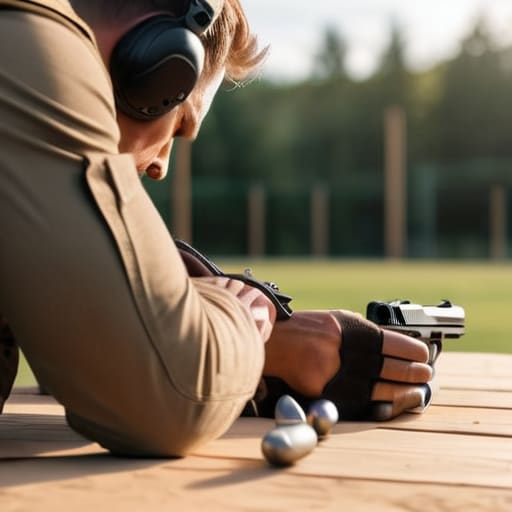
At the end of the day, these rules aren’t just lines in a manual you read to get your range card. We’ve talked about why you need to keep that muzzle pointed where it belongs, why your finger stays off the trigger until you’re ready to work, and why you treat every single piece of steel like it’s loaded—because it usually is. It comes down to the small, unglamorous things: the way you handle a magazine, how you check a chamber, and the deliberate movements you make when you think nobody is watching. If you focus on building those mechanical habits now, you won’t have to think about them when the pressure is on or the environment gets crowded.
I’ve spent twenty years standing on this line, and I can tell you that the best shooters aren’t always the ones hitting the smallest groups; they’re the ones I never have to worry about. Real proficiency isn’t found in a fancy optic or a custom trigger job; it’s found in the quiet discipline of a person who respects the tool they’re holding. Take the time to do it right, even when it feels repetitive, even when it feels tedious. Safety is a lifetime practice, and if you treat it with that kind of respect, the sport will keep giving back to you for years to come.
Frequently Asked Questions
How do I keep these habits from slipping when I'm shooting under pressure or in a competition setting?
When the timer starts or the crowd gathers, your brain wants to skip the boring stuff to get to the action. That’s when mistakes happen. You don’t fix this by thinking harder in the moment; you fix it by drilling the fundamentals until they’re boring. Treat your safety checks like breathing. If you have to consciously think about your finger position, you aren’t ready. Practice until the “right way” is the only way your hands know.
What’s the best way to teach these rules to a family member without sounding like I'm lecturing them?
Don’t start with a lecture; start with the “why.” If you sit them down and recite the manual, they’ll tune you out before you finish the first sentence. Instead, show them. When you’re at the bench, narrate your own actions. “I’m checking the chamber now so I know it’s clear.” Make it part of the routine, not a reprimand. Safety isn’t a classroom subject; it’s just how we handle the tools.
If I've already spent years shooting, how do I know if I've developed any "bad" habits that I'm not even aware of?
The truth is, the most dangerous habits are the ones you don’t notice because they feel like second nature. If you want to find them, stop shooting for a bit and just watch. Ask a regular on the line to observe your transitions, or better yet, record yourself from the side. Most people realize they’re “flagging” targets during reloads or letting their finger creep toward the trigger while moving. If you aren’t looking for them, they’re already there.




