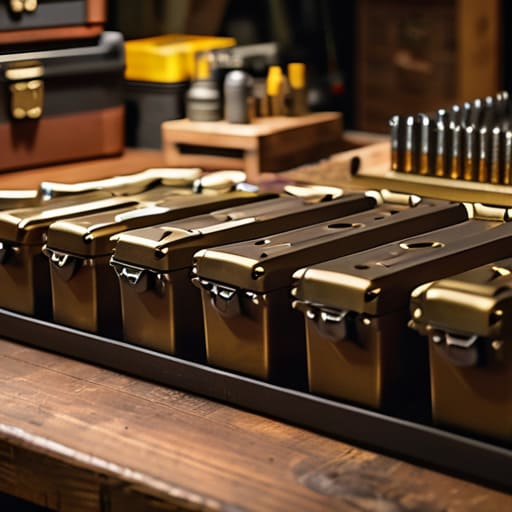
I’ve spent twenty years watching people walk down the firing line, and if there’s one thing I’ve learned, it’s that people spend way too much money on fancy, high-tech safes while ignoring the basics. You don’t need a biometric, climate-controlled vault that costs more than your first car to figure out how to store ammunition safely. I’ve seen guys with gear that looks like it belongs in a spy movie, yet they still leave their brass sitting in a damp garage or shoved into a corner where the humidity can chew it up. It’s not about the price tag on the box; it’s about the discipline of the routine.
I’m not here to sell you on some overpriced gadget or a complicated system that requires a manual to understand. I want to talk about the unglamorous, practical side of things—the stuff that actually keeps your primers from failing and your powder from degrading. We’re going to walk through the actual, common-sense habits that ensure your rounds are as reliable as the day they left the factory. If you get the fundamentals right, the rest of the sport just takes care of itself.
Fighting the Invisible Enemy Preventing Ammunition Corrosion
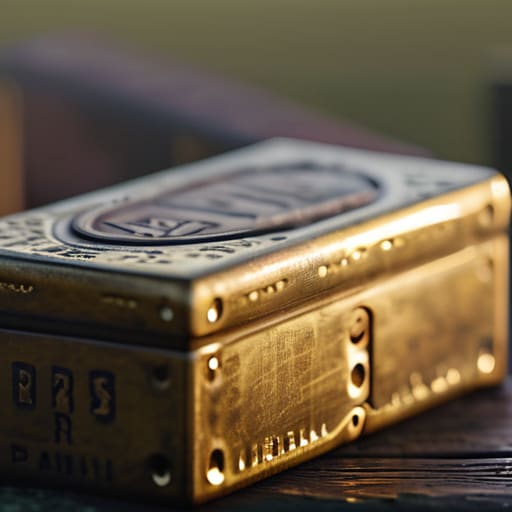
Most folks think if they keep their boxes in a closet, they’re doing fine. But moisture is a thief that works in silence. I’ve seen enough brass come back from the range looking like it’s been pulled out of a swamp, and that’s usually because someone ignored the basics of humidity control for ammo. When moisture gets into those cardboard boxes, it doesn’t just pit the casings; it can seep into the primer or even mess with the powder. You aren’t just fighting rust; you’re fighting the slow death of your reliability.
If you want to do this right, stop relying on the original packaging. Cardboard is basically a sponge for damp air. I always tell my students to look into safe ammo storage containers—something airtight, like a heavy-duty plastic bin or a dedicated ammo can with a fresh rubber seal. Toss a few desiccant packs in there to soak up whatever moisture is left. It’s a small, unglamorous step, but preventing ammunition corrosion is much easier than trying to shoot a round that’s been compromised by a humid summer.
Humidity Control for Ammo the Silent Performance Killer
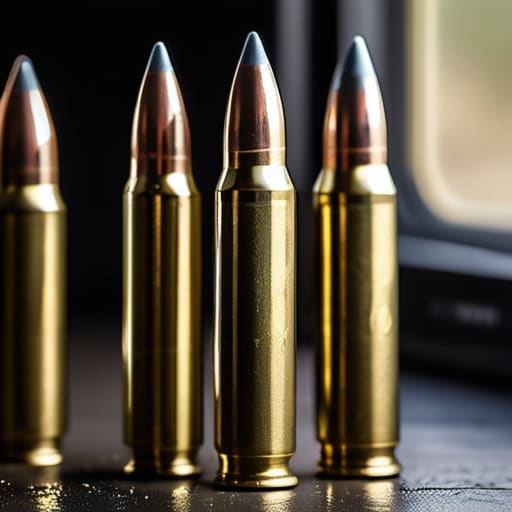
I’ve seen guys spend thousands on high-end optics and match-grade barrels, only to wonder why their groups are opening up after a summer in the garage. The culprit usually isn’t the shooter; it’s the air. Moisture is a slow-motion thief. When you neglect humidity control for ammo, you aren’t just risking a little surface rust on the brass—you’re inviting the moisture to seep into the primer and the powder itself. Once that chemistry starts to shift, you can’t just “clean” your way out of it.
If you’re keeping your stash in a basement or a shed, you’re playing a dangerous game with ammunition degradation factors. I don’t expect everyone to build a climate-controlled vault, but you should be using safe ammo storage containers that actually do their job. Get yourself some airtight cases—the kind with a decent gasket—and toss in a few rechargeable desiccant packs. It’s a small, unglamorous step, but it keeps the air from turning your reliable rounds into unpredictable liabilities.
The Small Things That Keep the Big Things Safe
- Stop using those cheap plastic bins from the big-box stores. They aren’t airtight, and they don’t seal well enough to keep out the moisture that’ll ruin a box of primers in a single season. Get yourself some proper, gasket-sealed cases—the kind that actually make a sound when they click shut.
- Keep your ammunition away from the walls. I’ve seen too many guys stack their ammo crates right against a basement wall or a garage corner. Concrete breathes moisture, and that dampness will migrate straight into your brass and powder before you even notice a problem.
- Don’t go mixing your different loads in one big pile. If you’ve got specialized hunting rounds or high-pressure competition loads, keep them in their original packaging or clearly marked containers. You don’t want to be grabbing a handful of something unexpected when you’re trying to prep for a long day on the line.
- Treat your ammo like it’s part of your firearm’s maintenance. If you wouldn’t leave your rifle out in a damp shed, don’t do the same with your brass. Secure, dry, and organized—that’s the standard. If you’re hunting for a box of .308 and you have to move ten other things to find it, your system is broken.
- Watch your temperature swings. I’m not saying you need a climate-controlled vault, but don’t leave your ammo in a hot truck bed in July or a freezing unheated shed in January. Drastic shifts cause the components to expand and contract, and that’s a quick way to mess with your consistency.
The Bottom Line on Ammo Storage
Moisture is your primary enemy; if you wouldn’t store your tools in a damp basement, don’t do it to your brass and primers.
Keep your storage area temperature steady, because those constant swings in heat do more damage to your powder than you’ll ever realize.
Treat your storage routine like a pre-range check—it isn’t a one-time event, it’s a habit you repeat every time you put your gear away.
The Discipline of the Dry Box
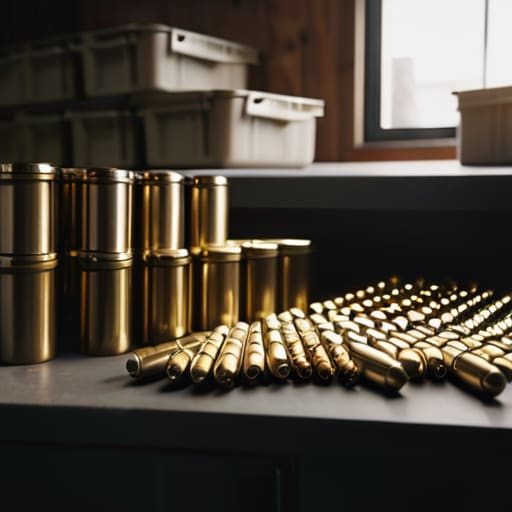
At the end of the day, storing your ammo isn’t about checking a box on a safety manual; it’s about managing the environment. You’ve got to keep the moisture out with proper desiccants, protect your primers from the slow creep of corrosion, and make sure your brass isn’t sitting in a damp corner of the garage where it can rot. It takes a little extra time to set up a dedicated, temperature-stable storage area, but that’s the price of admission. When you take the time to manage the variables—the humidity, the temperature, and the physical security—you aren’t just protecting your investment, you’re ensuring that when you finally step up to the firing line, your equipment performs exactly the way it was designed to.
I’ve seen plenty of shooters get frustrated when a round fails to fire or a case splits, only to realize they’ve been neglecting the basics for years. Most people think the real work happens when you pull the trigger, but in my experience, the real work happens in the quiet moments when no one is watching. If you treat your ammunition with the same respectful discipline that you treat your firearms, you’ll find that the shooting part becomes a lot more predictable and a lot more enjoyable. Get the unglamorous stuff right, keep your habits consistent, and the rest will take care of itself.
Frequently Asked Questions
Should I be worried about keeping my ammo in the same room where I store my firearms?
It’s not a dealbreaker, but it’s not ideal either. If you’re keeping your rifles in a climate-controlled room, your ammo will likely be fine. But if those guns are in a damp basement or a garage safe, you’re asking for trouble. Ammunition is sensitive to the same environmental shifts that rust a barrel. If the air in that room is heavy, your primers and powder are feeling it too. Keep them together if you must, but watch the humidity.
Is it actually worth the money to buy those airtight plastic cases, or is a simple metal ammo can enough?
Look, if you’ve already got a solid metal ammo can with a good gasket, you’re halfway there. Those cans are workhorses. But if you’re living in a place where the air feels like a wet sponge, those plastic airtight cases offer a level of seal a metal can just can’t match over the long haul. It’s not about being fancy; it’s about making sure you aren’t fighting moisture every single time you open the lid.
If I find some old rounds that look a little discolored, is it safe to try and shoot them or should they go straight in the trash?
I’ve seen plenty of folks tempted to “test” a few discolored rounds just to see if they still go bang. Don’t do it. If that discoloration is pitting on the brass or a crusty buildup on the primer, that’s a sign of chemical instability. You can’t see what’s happening inside the casing. If they look questionable, don’t gamble with your eyes or your hands. Just bag them up and get rid of them.




